For global buyers, choosing the right Insulated Laminated Glass is more complex than comparing thickness and price. The glass must balance safety, thermal performance, acoustic comfort, solar control, and long-term durability. A coastal hotel may need laminated panes with strong moisture resistance. A high-rise office may require low-emissivity coatings, argon-filled cavities, and precise edge sealing. A school near a busy road may value sound reduction more than maximum daylight.
Dr. Helen Sanders, a respected building-envelope and fenestration specialist, has emphasized, “High-performance glazing is a system, not a single product.” That principle guides this 2026 overview. Insulated Laminated Glass performs as part of a complete unit. Interlayer selection matters. Spacer design matters. So do sealants, frame compatibility, installation quality, and climate exposure. Small failures can create fogging, seal breakdown, or unexpected heat gain. Uncomfortable details, but important ones.
This guide compares key glass types for buyers across different regions. It considers solar-control laminates, acoustic laminates, security-focused constructions, and energy-efficient low-E combinations. It also explains where each type works best. Standards such as EN 14449, ASTM C1172, and regional safety requirements may support purchasing decisions, but certification must be verified for the destination market. Product data alone is not enough. Ask for test reports, warranty terms, visible quality samples, and production references. Some suppliers may offer impressive specifications while overlooking edge quality or installation limits. That deserves careful questioning.
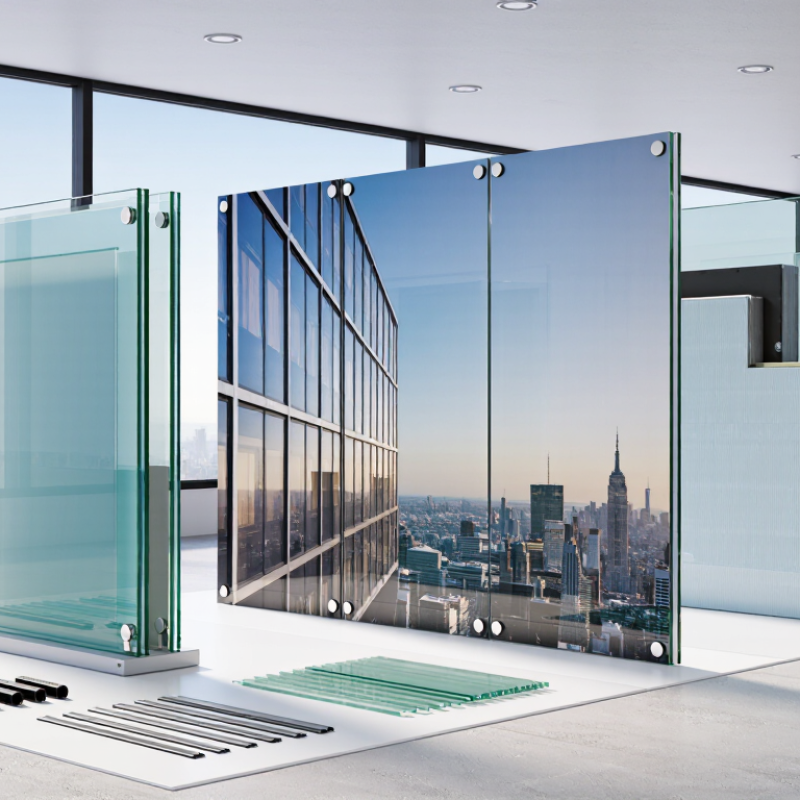
2026 Best Insulated Laminated Glass Types for Global Buyers
What Is Insulated Laminated Glass?
Insulated laminated glass combines safety glazing with thermal insulation. It usually contains two glass panes, a sealed spacer, and an air or argon cavity. One pane also includes laminated layers, such as glass bonded with a protective interlayer. That interlayer holds fragments together after breakage. The cavity reduces heat transfer, while the laminate improves impact resistance, sound control, and security.
The construction sector needs this performance. The 2023 Global Status Report for Buildings and Construction reported that buildings used about 34% of global energy in 2022. The International Energy Agency also places buildings near 30% of global energy demand. Insulated laminated glass can reduce window-related heat loss, especially when paired with low-emissivity coatings and warm-edge spacers. However, glass is not a magic shield. Frame design, edge sealing, orientation, and installation quality can change real results.
A practical unit may use a 6 mm exterior pane, a 12 mm argon cavity, and a laminated inner pane. Specifications must state thickness, interlayer type, cavity gas, visible light transmission, and tested U-value. Buyers should request certified test reports, not only catalogue figures. A lower U-value usually indicates better insulation, but climate and solar exposure still matter. This is where projects often become imperfect. A technically strong glass unit can underperform if the spacer fails or site handling damages the seal. Rechecking those details is worthwhile.
| Glass Type | Typical Construction | Primary Safety Property | Typical Acoustic Performance | Typical Thermal Performance | Solar and Optical Characteristics | Recommended Applications | Main Purchasing Considerations |
|---|---|---|---|---|---|---|---|
| Annealed PVB Laminated IGU | 6 mm annealed glass + 0.76 mm PVB interlayer + 6 mm annealed glass, assembled as an insulated unit with a 12–16 mm argon cavity. | Retains fractured glass fragments after breakage and provides basic impact-safety performance when correctly specified and tested. | Approximately 35–40 dB Rw | Approximately 1.1–1.4 W/m²K with a low-emissivity coating and argon cavity; clear configurations are usually higher. | Neutral appearance is available. Visible light transmission commonly ranges from about 70% to 80% for clear glass, depending on thickness and coating. | Residential windows, façades, office partitions, skylights, and general building envelopes where basic post-breakage retention is required. | Confirm interlayer thickness, edge protection, cavity width, spacer type, seal durability, and the required local safety-glazing standard. |
| Heat-Strengthened PVB Laminated IGU | Heat-strengthened glass + 0.76 or 1.52 mm PVB interlayer + heat-strengthened glass, combined with an insulated cavity. | Improved resistance to thermal stress and mechanical loads compared with annealed glass; fractured pieces remain bonded to the interlayer. | Approximately 35–42 dB Rw | Approximately 1.1–1.4 W/m²K in a typical low-e argon double-glazed unit. | Suitable for larger panes and solar-control coatings. Heat-strengthening generally maintains the optical appearance of the selected glass. | Large windows, curtain walls, sloped glazing, façades with high solar exposure, and projects requiring improved thermal-stress resistance. | Heat-strengthened glass is not the same as fully tempered glass. Check design loads, thermal-stress calculations, edge quality, and applicable safety requirements. |
| Tempered PVB Laminated IGU | Fully tempered glass + 0.76, 1.14, or 1.52 mm PVB interlayer + fully tempered glass, used with a sealed insulating cavity. | High resistance to impact and thermal shock; the laminate retains fragments if the tempered glass breaks. | Approximately 36–43 dB Rw | Approximately 1.1–1.4 W/m²K with low-e coating and argon, depending on the complete unit design. | Available in clear, tinted, reflective, and solar-control forms. Tempering may create visible optical distortion, especially in reflected views. | Doors, balustrades, overhead glazing, shopfronts, façades, hurricane or high-wind zones, and impact-sensitive locations. | All cutting, drilling, and edge processing must normally be completed before tempering. Consider heat-soak testing where nickel sulfide breakage risk is relevant. |
| Acoustic PVB Laminated IGU | Two glass plies joined by an acoustic-grade polymer interlayer, commonly 0.76 or 1.52 mm, combined with an air or argon cavity. | Provides laminated-glass post-breakage retention while the specialized interlayer improves sound reduction over standard PVB in suitable frequency ranges. | Approximately 40–50 dB Rw | Approximately 1.1–1.5 W/m²K when used in a low-e argon double-glazed unit. | Usually available with clear glass; visible light transmission depends mainly on glass thickness, tint, coating, and interlayer formulation. | Buildings near airports, railways, highways, urban centers, schools, hospitals, hotels, and residential developments. | Request a complete sound-transmission test report. Acoustic results depend strongly on glass asymmetry, cavity width, frame, installation, and façade air-tightness. |
| Ionoplast Laminated IGU | Heat-treated glass + approximately 0.89–1.52 mm ionoplast interlayer + heat-treated glass, integrated into a double- or triple-glazed unit. | High stiffness, strong edge stability, and excellent post-breakage structural retention compared with conventional flexible interlayers. | Approximately 38–45 dB Rw | Approximately 1.1–1.4 W/m²K in a low-e argon double-glazed configuration. | Clear, tinted, coated, and fritted glass combinations are possible. High stiffness can help limit deflection in large laminated panels. | Structural glazing, glass fins, canopies, balustrades, overhead glazing, façades, and large-format panels requiring high residual strength. | Check structural calculations, interlayer compatibility, edge exposure, humidity resistance, fixing details, and the applicable national glazing standard. |
| Low-E Laminated Double-Glazed Unit | 6 mm laminated low-e glass + 12–16 mm argon cavity + 6 mm glass; the laminated pane may be positioned on the interior or exterior side according to design requirements. | Combines post-breakage retention with improved control of long-wave heat transfer. | Approximately 36–44 dB Rw | Approximately 1.0–1.4 W/m²K for the center of glazing, subject to coating position and cavity design. | Typical visible light transmission is about 55%–75%; solar heat-gain coefficient may be approximately 0.25–0.55 depending on coating selection. | Energy-efficient windows, façades, residential buildings, commercial offices, and projects targeting reduced heating and cooling demand. | Compare whole-window U-value and solar heat-gain coefficient rather than glass-only values. Confirm coating orientation, edge deletion, and color neutrality. |
| Solar-Control Laminated Double-Glazed Unit | Tinted or solar-control coated glass + laminated safety pane + 12–16 mm argon cavity, often with an additional low-e function. | Provides laminated safety retention while reducing solar radiation entering the building. | Approximately 35–44 dB Rw | Approximately 1.0–1.5 W/m²K, depending on coating, cavity, and gas fill. | Solar heat-gain coefficient commonly ranges from about 0.20 to 0.45. Visible light transmission may range from about 30% to 70%. | South- and west-facing façades, curtain walls, atriums, airports, retail buildings, and warm or mixed climates. | Balance solar control against daylight and color requirements. Evaluate glare, thermal stress, exterior reflectance, and local energy-code limits. |
| Triple-Glazed Laminated Unit | Laminated safety pane + two low-e coated glass panes with two 12–16 mm argon cavities; krypton may be used for narrow cavities where justified. | Offers laminated post-breakage retention plus enhanced thermal and acoustic performance from the additional pane and cavity. | Approximately 40–50 dB Rw | Approximately 0.5–0.8 W/m²K at the center of glazing with suitable low-e coatings and argon cavities. | Visible light transmission commonly ranges from about 45% to 70%; solar performance depends on the number and type of coatings. | Cold climates, passive-house-style projects, high-performance façades, hospitals, hotels, premium residential buildings, and noise-sensitive sites. | Higher weight and thickness require stronger frames and hardware. Check condensation resistance, structural load, cavity alignment, and transport limitations. |
| Colored or Tinted Laminated IGU | Clear or tinted glass + colored or clear polymer interlayer + clear, tinted, or coated glass, assembled with an insulating cavity. | Provides post-breakage retention and visual design options; the safety classification depends on the glass build-up and test results. | Approximately 35–45 dB Rw | Approximately 1.1–1.6 W/m²K in a typical low-e argon double-glazed unit. | Visible light transmission may range from below 10% to about 70%, depending on tint and interlayer. Solar absorption can increase with darker colors. | Interior partitions, feature façades, retail storefronts, hospitality projects, privacy glazing, and architectural design elements. | Check color consistency between batches, solar-absorption limits, thermal-stress risk, fading resistance, and sample approval under project lighting. |
It combines laminated safety glass with an insulated cavity. The cavity may contain air or argon. The laminate holds broken fragments together.
The cavity slows heat transfer between indoor and outdoor spaces. A lower U-value usually means better insulation. Results still depend on installation.
It bonds glass sheets together. After breakage, fragments usually remain attached. This can improve safety, impact resistance, sound control, and security.
Request glass thickness, interlayer type, cavity width, gas type, visible light transmission, and tested U-value. Certified reports matter more than catalogue promises.
One example uses a 6 mm outer pane, a 12 mm argon cavity, and a laminated inner pane. Actual design depends on climate and building needs.
Double glazing may suit moderate climates. Triple glazing can provide stronger insulation in colder regions. Solar exposure still needs careful review.
It can reduce sound transmission. Performance depends on interlayer thickness, cavity width, glass thickness, and frame installation. Glass alone cannot solve every noise problem.
Glass is washed, aligned, laminated, heat-treated, and sealed. Spacers are applied, and the cavity receives air or gas. Factory control is essential.
Gas leakage, damaged seals, edge contamination, and uneven sealant can weaken insulation. A strong specification can still fail on site. Rechecking helps.
Insulated Laminated Glass combines two or more glass panes with a sealed insulating cavity and a laminated safety layer, creating a multifunctional glazing solution for modern buildings. Its design and manufacturing process typically involves selecting suitable glass substrates, interlayers, cavity configurations, sealants, and optional coatings according to the project’s climate, structural requirements, and interior comfort goals. Different types can be tailored for façades, windows, skylights, acoustic partitions, security areas, and energy-efficient construction.
For global buyers, performance should be compared across thermal insulation, sound reduction, impact safety, UV control, visible light transmission, and solar heat management. Before ordering, buyers should confirm glass composition, thickness, cavity size, edge quality, dimensions, tolerances, testing standards, packaging, documentation, and compatibility with framing systems. Careful evaluation of climate conditions, installation methods, required certifications, delivery conditions, and long-term maintenance will help ensure that the selected Insulated Laminated Glass performs reliably and meets the project’s technical and practical expectations.

 BYG.GLASS