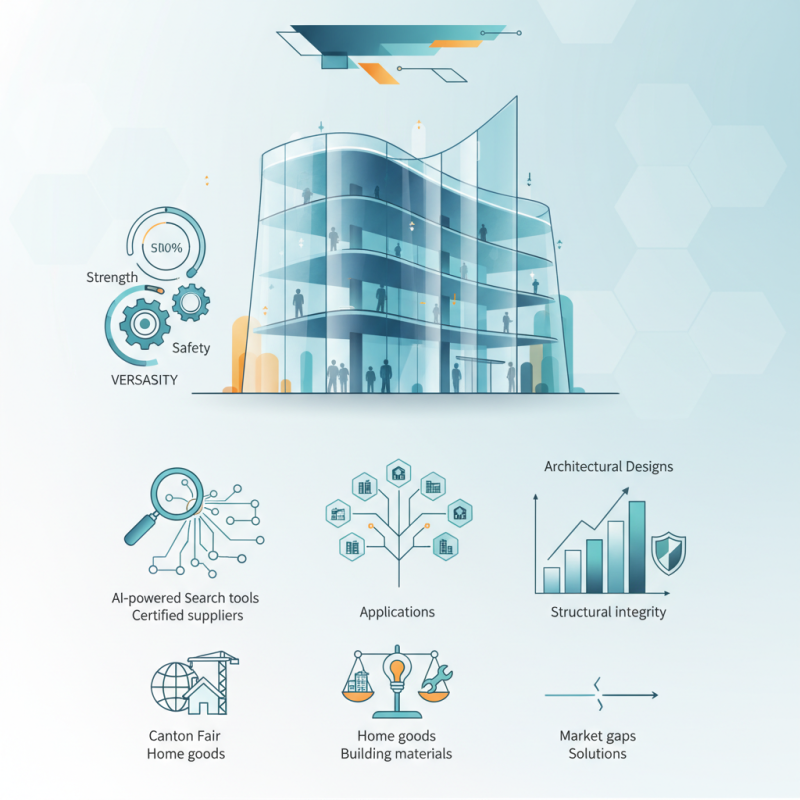
As the 139th Canton Fair approaches, heat strengthened laminated glass emerges as a highlight for exhibitors and buyers alike. This innovative glass type combines strength and safety, making it ideal for various applications. Attendees will appreciate its versatility in architectural designs, offering aesthetic appeal alongside durability.
The introduction of AI-powered search tools at the fair will help buyers find suppliers of heat strengthened laminated glass with ISO or CE certifications. This feature aims to simplify the procurement process. The fair's efficient navigation can enhance the experience, yet challenges may still arise in identifying the best options.
Focusing on quality home goods and building materials, the Canton Fair provides a platform to showcase this remarkable product. Heat strengthened laminated glass presents a solution for not only structural integrity but also modern design needs. Balancing innovation with practicality remains essential as exhibitors work to address potential gaps in the market.
Heat strengthened laminated glass offers numerous safety benefits, particularly important in high-traffic areas. Its ability to withstand impact makes it an ideal choice for buildings. In the event of breakage, the glass shatters into small, less harmful pieces. This reduces the risk of injury, making it safer for pedestrians and occupants.
Furthermore, heat strengthened laminated glass provides superior structural integrity. This type of glass is more resilient to environmental stressors, such as temperature fluctuations. Enhanced durability means fewer replacements and repairs over time. Buildings using this glass have fewer maintenance issues, saving both resources and money in the long run.
However, while this glass offers many advantages, it may not be suitable for every project. Some may find the installation costs higher than traditional glass. Additionally, not all applications require this level of strength. Architects and builders need to assess their specific needs carefully. Each building's unique requirements can affect the decision-making process significantly.
Heat strengthened laminated glass offers distinct advantages, particularly in sound insulation. This type of glass combines layers of laminated glass with a heat-strengthening process, leading to better acoustic performance. The interlayer absorbs sound waves, making environments quieter and more serene. This feature is essential for urban developments and noisy areas.
In practical applications, using heat strengthened laminated glass in windows can dramatically reduce external noise. Office buildings and residential areas can significantly benefit from this advancement. However, some challenges remain. Not every project takes full advantage of its properties. Architects and builders might overlook the nuances of sound transmission through glass. The thickness and type of interlayer can vastly influence sound insulation outcomes.
Creating a quieter space is not just about the glass itself; it's about how it's integrated into the building. Attention must be paid to installation and frame choices. A minor oversight in these areas can diminish the overall soundproofing effect. Ultimately, while heat strengthened laminated glass offers improved sound insulation, awareness of its installation nuances is crucial for maximizing its potential.
Heat strengthened laminated glass stands out for its exceptional durability and impact resistance. This innovative glass is engineered through a unique process, making it more resilient than standard glass. It can withstand higher stress levels, which is vital in various applications, such as buildings and automotive windows. The added layer of laminate helps to absorb shock energy, reducing the risk of shattering.
Moreover, its strength doesn’t come without challenges. While it offers impressive safety features, the manufacturing process can be complex and requires precision. Not all facilities may have the right technology or expertise to produce it consistently. When glass breaks, it often holds together, but that can sometimes lead to a false sense of security about its performance. Clients should be informed about its characteristics and limitations.
Potential users might consider the additional costs associated with heat strengthened laminated glass. While it is an investment in safety, the price can deter some. It's essential to weigh these factors carefully. The durability and impact resistance it offers can be crucial in high-traffic or high-risk areas, but not every situation demands it. Balancing safety needs with budget constraints is part of the decision-making process.
| Benefit | Description | Impact on Users |
|---|---|---|
| Increased Durability | Heat strengthened laminated glass is more resistant to breakage, providing longer-lasting performance. | Reduced replacement costs and increased safety for users. |
| Enhanced Safety | In the event of breakage, the lamination keeps glass fragments intact, minimizing injury risks. | Peace of mind for homeowners and building occupants. |
| Improved Insulation | Provides better thermal insulation compared to standard glass. | Lower energy costs due to reduced heating and cooling needs. |
| Noise Reduction | Effective in reducing external noise transmission. | Enhanced comfort in living and working spaces. |
| UV Protection | Blocks a significant percentage of harmful UV rays. | Protection of interior furnishings from fading. |
| Customizable | Available in various thicknesses, tints, and patterns. | Flexibility to meet design specifications and aesthetics. |
| Easier Maintenance | Less frequent cleaning due to protective surface layers. | Saves time and resources for homeowners and facility managers. |
| Aesthetically Pleasing | Offers a sleek and modern look for various applications. | Enhances property value and appeal. |
| Resistance to Chemical Impact | Durable against common chemicals and cleaning agents. | Longer lifespan in commercial and industrial settings. |
| Fire Resistance | Certain types offer fire-rated capabilities for safety regulations. | Increased safety compliance in commercial buildings. |
Heat strengthened laminated glass offers compelling energy efficiency benefits. This type of glass combines superior strength with insulation properties. According to industry reports, it reduces heat transfer significantly, which can minimize heating and cooling costs. Buildings utilizing this glass can save up to 30% on energy bills. This is a substantial saving for many.
In addition, heat strengthened laminated glass blocks harmful UV rays. Up to 99% of UV radiation can be filtered out. This protects interiors from fading and degradation. Many commercial establishments notice reduced wear on furniture and fabrics. The initial investment can seem high, but long-term savings are noteworthy.
However, not all projects account for these advantages. Some designs overlook the material's potential, which results in wasted opportunities for energy efficiency. Building professionals must consider integrating this glass more thoughtfully into their projects. Ignoring these benefits could mean missing out on significant cost reductions and sustainability improvements.
Heat strengthened laminated glass is gaining popularity in modern design. Its versatility makes it a perfect choice for various applications. This type of glass is commonly used in architectural structures, facades, and interior spaces. The unique resilience of heat strengthened laminated glass ensures outstanding safety and durability in everyday use.
When considering this material, think about its aesthetic appeal. Designers appreciate how heat strengthened laminated glass can create a seamless look. It allows ample natural light but also offers privacy. This balance is essential for open-concept spaces or office environments. The glass can be customized, providing endless possibilities for creativity in designs.
Tips: Always ensure proper installation. Even the strongest glass needs expert handling. Regular maintenance is vital to preserve its clarity and strength. Keep in mind that while the glass is robust, impacts can still lead to unexpected damage. Therefore, protective measures are recommended where possible. Consider using it in spaces that prioritize safety and style, such as atriums or modern shopping centers.
: It absorbs sound waves, creating quieter environments, ideal for urban and noisy areas.
The interlayer of the glass helps to dampen sound transmission between spaces.
Proper installation and frame choices are crucial; any oversight can diminish soundproofing.
Architects may overlook the nuances of sound transmission, affecting overall performance.
It withstands higher stress levels and has exceptional impact resistance compared to standard glass.
Yes, the initial investment may be higher, which can deter some potential users.
It reduces heat transfer, potentially saving up to 30% on heating and cooling costs.
It blocks up to 99% of harmful UV rays, protecting interiors from fading.
Yes, some users may have a false sense of security about its safety features.
Balance safety needs with budget constraints and consider its long-term savings potential.
Heat Strengthened Laminated Glass offers numerous advantages that make it a preferred choice for modern architecture and design. Primarily, it enhances safety through its robust structure, which minimizes the risk of shattering and protects against potential injuries. Additionally, it boasts improved sound insulation properties, ensuring a quieter indoor environment, which is especially beneficial in urban settings.
Furthermore, the durability of Heat Strengthened Laminated Glass increases its resistance to impact, making it suitable for high-traffic areas. This type of glass also contributes to energy efficiency, helping to regulate indoor temperatures and reduce energy consumption. Its versatility allows it to be seamlessly integrated into various design applications, from residential to commercial spaces, making Heat Strengthened Laminated Glass a smart investment for both function and aesthetics.

BYG.GLASS