In modern home design, one key element is often overlooked: Insulated Glass. This material not only enhances aesthetic appeal but also significantly improves energy efficiency. According to the U.S. Department of Energy, homes with insulated glass can reduce energy costs by up to 30%. This statistic underscores the growing importance of insulated glass in sustainable building practices.
Renowned industry expert Dr. Emily Turner emphasizes its value, stating, "Insulated Glass offers a perfect blend of beauty and functionality." Her insights highlight a broader trend towards designs that prioritize both form and function. Homeowners are increasingly seeking materials that provide long-term benefits, yet many still hesitate to embrace insulated glass fully.
Indeed, while insulated glass has numerous advantages, some homeowners worry about installation costs. They may feel overwhelmed by choices and may not fully grasp the long-termpayback of this investment. Balancing immediate expenses with future savings presents a challenge. Nevertheless, the benefits of insulated glass, such as enhanced comfort and noise reduction, often outweigh initial concerns. As the industry evolves, embracing these innovations is becoming essential for modern living.
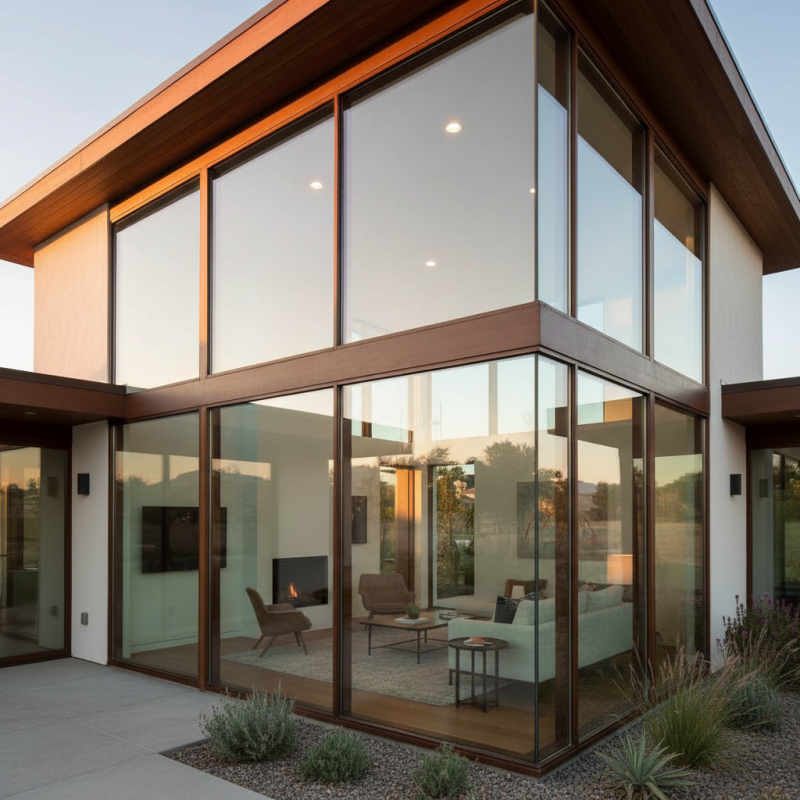
Understanding Insulated Glass and Its Composition
Insulated glass consists of two or more panes of glass separated by a spacer and sealed. This design creates an air or gas-filled space between the panes. The gap serves as an insulator, reducing heat transfer. The result is energy efficiency for any home.
Understand that not all insulated glass is the same. The composition can vary widely. Some use argon or krypton gas for better thermal performance. Others might lack this extra layer of protection. This can lead to a significant difference in energy savings over time. Poor installation can also diminish effectiveness.
While insulated glass provides many benefits, it can present some challenges. Breaking one pane may require replacing the entire unit. Condensation can appear if seals fail. Homeowners should weigh these factors carefully. Investing in quality insulated glass may be worth it, but it is essential to research thoroughly.
Energy Efficiency: How Insulated Glass Reduces Energy Costs
Insulated glass plays a crucial role in enhancing energy efficiency in modern homes. Studies show that insulated glass units (IGUs) can reduce energy consumption by up to 30%. This is significant for both heating and cooling costs. The multiple panes create a barrier that slows down heat transfer. Any homeowner can appreciate the difference in energy bills after choosing insulated options for windows.
Additionally, homes equipped with insulated glass can enjoy improved comfort during extreme weather. A report by the Department of Energy highlights that homes with IGUs maintain temperatures better, reducing reliance on HVAC systems. However, not all insulated glass options are created equal. Factors like the spacing between the panes and the type of gas used can impact performance. Some homeowners overlook these details, potentially missing out on maximum efficiency.
Moreover, the initial investment in insulated glass may seem high. However, the long-term savings often outweigh the upfront costs. According to the National Renewable Energy Laboratory, homeowners can recover their costs within a few years through reduced energy bills. Still, many might hesitate to make the switch, questioning whether the benefits justify the expense. It's essential to weigh both immediate costs and future savings carefully.
Top 10 Benefits of Insulated Glass for Your Home Design
| Benefit |
Description |
Energy Savings (%) |
Noise Reduction (dB) |
UV Protection (%) |
| Energy Efficiency |
Helps maintain indoor temperature, reducing heating and cooling costs. |
20-30% |
N/A |
N/A |
| Comfort |
Maintains consistent temperatures throughout the home. |
N/A |
10-15 dB |
N/A |
| Enhanced Security |
Difficult to break, increasing home security. |
N/A |
N/A |
N/A |
| Condensation Reduction |
Reduces moisture accumulation on glass surfaces. |
N/A |
N/A |
N/A |
| Aesthetic Appeal |
Provides a modern look and enhances the natural light. |
N/A |
N/A |
N/A |
| Energy Conservation |
Reduces reliance on heating and cooling systems. |
15-25% |
N/A |
N/A |
| Long-term Durability |
Less likely to fog up, ensuring clear views for longer periods. |
N/A |
N/A |
N/A |
| Increased Home Value |
Attracts buyers looking for energy-efficient features. |
N/A |
N/A |
N/A |
| Easy Maintenance |
Minimal upkeep required compared to single-pane windows. |
N/A |
N/A |
N/A |
| UV Protection |
Blocks harmful UV rays, protecting furniture and flooring. |
N/A |
N/A |
99% |
Noise Reduction Benefits of Insulated Glass in Home Design
Insulated glass is an excellent choice for reducing noise in home design. It consists of two or more panes of glass separated by a spacer. This design creates a buffer, effectively blocking outside sounds. The thicker the glass, the more sound it can absorb. This makes a noticeable difference in reducing traffic noise or neighborhood sounds.
Many homeowners find peace in quieter spaces. Living in a bustling area can be stressful. Insulated glass windows help create a serene indoor environment. They can significantly lower noise levels, allowing for better relaxation and focus. However, not all insulated glass is made equal. Some may not achieve the desired soundproofing effect.
Installations require careful planning. Simple mistakes can lead to inadequate insulation. Poor sealing can allow sound to seep through, negating the benefits. Homeowners should consult with experts to ensure proper installation. This investment can enhance daily life while also improving energy efficiency. It’s about finding a balance that suits your lifestyle.
Enhanced Aesthetic Appeal with Insulated Glass Installations
Insulated glass can significantly enhance the visual appeal of your home. With various styles and thicknesses available, it complements any design. The sleek look of double or triple-glazed windows is modern and sophisticated. Consider how they reflect light differently throughout the day. This dynamic feature can make each room feel alive and diverse.
Beyond aesthetics, installers often overlook the importance of proper alignment. Gaps can disrupt the sleek look and compromise energy efficiency. A slight miscalculation can lead to uneven windows that don’t open or close seamlessly. These imperfections can detract from the overall design. It’s essential to choose skilled professionals for the installation process. They should understand both the technical and artistic aspects.
The options for framed or frameless designs are endless. That choice allows homeowners to express their unique tastes. Consistency in style is key, though. Mixing old and new styles can sometimes feel disjointed. Reflecting on how each element fits into the overall design can help avoid these pitfalls. Every detail matters in creating an inviting and harmonious atmosphere inside your home.
Factors to Consider When Choosing Insulated Glass for Your Home
When choosing insulated glass for your home design, several factors require careful consideration.
Energy efficiency is paramount. According to the U.S. Department of Energy, insulated glass can reduce heating and cooling costs by about 20-30%. This means savings of hundreds of dollars annually.
Selecting the appropriate gas fill, like Argon or Krypton, can improve thermal performance. Each gas has varying properties influencing insulation levels.
Next is the type of frame. Different materials have unique thermal efficiencies.
Fiberglass frames are notable for their durability and insulation. However, they can be pricier.
Vinyl and aluminum frames, while generally less costly, may compromise on insulation.
A study published in the Journal of Building Physics highlights that the frame material can influence overall energy savings by up to 15%.
Also, consider the glazing options. Low-E coatings reflect heat while allowing light through. Choosing the right thickness for glass plays a critical role as well.
Thicker glass provides better sound insulation, which may be valuable in noisy areas. The choice may ultimately require some reflection on your lifestyle and preferences.
Balancing cost, aesthetics, and efficiency is essential.
FAQS
: Insulated glass consists of two or more glass panes separated by a spacer and sealed.
It creates a barrier that reduces heat transfer, cutting energy costs significantly.
Argon and krypton gases are often used for better thermal performance.
You may need to replace the entire insulated glass unit.
Yes, if seals fail, condensation may appear, impacting efficiency.
Though it might seem high, long-term savings often justify the expense.
Studies show potential energy savings of up to 30%.
Factors include pane spacing and type of gas used for efficiency.
No, performance can vary widely based on composition and installation quality.
Costs may be recovered within a few years through lower energy bills.
Conclusion
Insulated Glass is a vital element in modern home design, offering multiple benefits that enhance both functionality and aesthetics. Composed of two or more panes of glass separated by a spacer and sealed to create an airspace, Insulated Glass significantly improves energy efficiency. By reducing heat transfer, it helps lower energy costs, making homes more economical to heat and cool.
In addition to its energy-saving properties, Insulated Glass also provides noise reduction benefits, creating a quieter living environment by minimizing sound transmission. Its sleek design options enhance the visual appeal of any space, allowing homeowners to enjoy both beauty and comfort. When selecting Insulated Glass for home installations, it's crucial to consider factors such as thickness, coatings, and frame materials to maximize its advantages and complement the overall design of the home.

 BYG.GLASS