Laminated glazing has become a pivotal innovation in architectural design and construction. Expert Mark Thompson, a renowned authority in glass technology, states, “Laminated glazing not only enhances safety but also elevates aesthetic appeal.” This powerful statement underscores the dual benefits of laminated glazing. Its unique composition makes it a preferred choice for modern structures.
The application of laminated glazing provides various advantages. It offers enhanced safety by holding shattered glass together, reducing the risk of injury. Additionally, it has superior sound insulation properties, making urban environments more livable. Many architects now aim to integrate laminated glazing into their projects for both functional and design purposes.
However, despite its growing popularity, laminated glazing may not be the ideal solution for every project. Some may find the initial costs to be a concern. As with any material, understanding its limitations is crucial for making informed decisions. While the benefits are numerous, careful consideration must guide its application to ensure it meets project needs effectively.
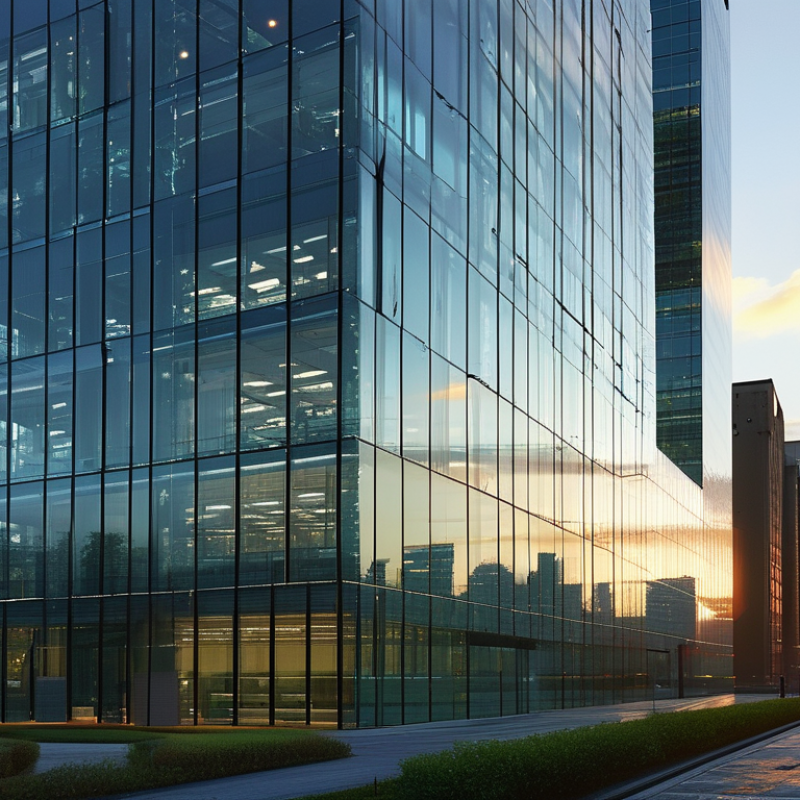
Laminated glazing offers numerous safety benefits for construction projects. It consists of two or more glass layers bonded with a plastic interlayer. This design significantly enhances safety. In case of breakage, the glass fragments adhere to the interlayer. This reduces the risk of injuries from shattered glass. For public buildings, this feature is especially important. It protects people from potential accidents.
When considering laminated glazing, evaluate the durability it provides. This material can withstand impact better than standard glass. It's crucial for areas prone to extreme weather or vandalism. Plus, laminated glass blocks harmful UV rays. This quality helps protect interiors from fading and damage.
Tips: Always consult a professional when choosing glazing types. They can recommend the best options for your specific needs. Consider local building codes as well. Sometimes, regulations dictate the type of glazing that must be used. Remember, safety is paramount in any project. Prioritizing it can save lives and prevent costly mistakes.
Laminated glazing significantly enhances sound insulation in various architectural projects. It combines layers of glass with a special interlayer that absorbs sound waves. According to the National Institute of Building Sciences (NIBS), laminated glass can reduce sound transmission by up to 35 decibels. This is particularly beneficial for urban buildings, where noise pollution is a constant issue.
Incorporating laminated glazing not only improves acoustics but also adds to safety and durability. The composition of laminated glass helps prevent shattering upon impact. However, it's essential to note that while it excels in sound insulation, its effectiveness can vary based on the materials used and installation methods. A poorly installed laminated window may not perform as effectively, leading to mixed outcomes.
Beyond just acoustic benefits, laminated glazing contributes to energy efficiency. High-quality glazing can reduce reliance on heating and cooling systems. Yet, decision-makers should consider the balance between upfront costs and long-term benefits. Sometimes, the initial investment can lead to challenges, but the potential for energy savings often compensates. It's crucial to evaluate these factors before making a choice.
Laminated glazing offers significant energy efficiency and thermal performance benefits. This innovative material consists of multiple glass layers bonded together. It typically incorporates a polymer interlayer that enhances insulation while reducing sound transmission. In energy-conscious designs, laminated glazing can greatly minimize heat loss in colder climates and limit heat gain during warmer months. The result is a more stable indoor environment.
Proper installation is crucial. Ensure the glazing is fitted well to avoid gaps. Poor installations can lead to air leakage, undermining energy efficiency. Regular inspections help identify issues early, which is vital for maintaining performance.
Consider the orientation of windows. This affects natural light and heat. South-facing windows can trap heat in winter. Meanwhile, east and west-facing windows experience temperature spikes in summer. Using laminated glazing wisely can balance comfort and efficiency throughout the year. Be mindful of choosing the right interlayer for your specific needs, as this can impact overall thermal performance.
Laminated glazing offers remarkable aesthetic flexibility for architects and designers. This material can be customized to fit various architectural styles, from modern to classical. With a wide range of colors, textures, and patterns, laminated glass enhances visual appeal. According to industry reports, 85% of architects believe that glazing significantly impacts a building's design. This statistic underscores the importance of aesthetic choices in project outcomes.
The layers within laminated glass provide opportunities for unique design elements. For instance, integrating images or decorative films adds character to structures. These options enable creative expression without sacrificing safety or performance. A recent study found that buildings with distinctive glazing attract more tenants, often yielding a 10% higher rental rate. This correlation highlights how aesthetic choices can influence property value.
However, there are challenges linked to laminated glazing. The initial costs can be higher compared to standard glass. Additionally, not all applications may fully leverage its potential. Projects need careful planning and evaluation to maximize the benefits. Achieving the right balance between aesthetics and functionality is crucial for success.
Laminated glazing offers impressive durability and low maintenance for various projects. Its unique structure consists of multiple glass layers bonded together with a plastic interlayer. This design enhances resistance to impacts, making it ideal for high-traffic areas. The potential for cracks and breaks decreases significantly compared to standard glass. When properly installed, laminated glass proves highly durable against weather elements and UV exposure, prolonging its lifespan.
Maintenance is also simplified with laminated glazing. Regular cleaning is sufficient to keep surfaces looking clear. Unlike other materials, laminated glass does not require extensive upkeep. However, it's essential to address any damage promptly. Ignoring chips or scratches can lead to larger issues down the road. Additionally, while laminated products resist stains, they can still accumulate dust and other deposits. Regular attention ensures optimal performance and appearance.
The increased safety of laminated glazing makes it a popular choice. In the event of breakage, the inner layer holds the glass fragments together. This reduces the risk of injury. Laminated glass is also beneficial in noise reduction, providing a quieter environment. The initial investment may be higher, but the long-term benefits often justify the cost. Each project requires thoughtful consideration of these aspects.
: Laminated glazing has multiple safety advantages. Glass layers stick to the plastic interlayer upon breakage, reducing injury risks.
Laminated glazing is more durable than standard glass. It can withstand impacts, making it suitable for harsh environments.
Yes, laminated glazing effectively blocks harmful UV rays. This protects indoor spaces from fading and damage over time.
A professional can provide expert advice on the best glazing options. Local building codes also influence the choice of materials.
Proper installation is vital for energy efficiency. Gaps can cause air leaks, which undermine the thermal performance of laminated glazing.
Window orientation impacts heat absorption. South-facing windows can retain heat, while east and west can lead to summer temperature spikes.
Laminated glazing provides diverse customization options. Colors, textures, and patterns enhance a building's visual appeal.
Yes, cost is a challenge. It can be pricier than standard glass and may not suit every project without careful planning.
Unique glazing designs can attract tenants, potentially increasing rental rates. Aesthetic choices can significantly influence property appeal.
Projects should be planned carefully. Balancing aesthetics with functionality ensures that laminated glazing’s full potential is achieved.
Laminated glazing offers numerous benefits that make it an excellent choice for various projects. One of the key advantages is enhanced safety, as the interlayer in laminated glass holds shards together upon impact, reducing the risk of injury. Additionally, this type of glazing improves sound insulation, allowing for a quieter indoor environment, which is particularly beneficial in urban settings.
Energy efficiency is another notable aspect, as laminated glazing helps reduce heat loss and enhance thermal performance, contributing to lower energy costs. Aesthetic flexibility is also a strong point, as it comes in various design options that can complement any architectural style. Finally, the durability and low maintenance requirements of laminated glazing ensure long-lasting performance, making it a practical investment for both residential and commercial spaces.

BYG.GLASS