As we look ahead to 2026, the demand for high-quality insulated glass is on the rise. Global buyers are increasingly seeking options that offer enhanced energy efficiency and superior insulation properties. Insulated glass plays a critical role in modern architecture, contributing to sustainability and reduced energy costs. With many choices available, it's essential to navigate the variety of products carefully.
Selecting the right insulated glass entails considering various factors. These include thickness, type of gas filling, and coating options. Each detail can impact performance and durability. However, not all products on the market are created equal. Buyers must be aware of brands that promise more than they deliver, leading to potential regrets in their investments.
The landscape of insulated glass is constantly evolving. Innovations and changing regulations may influence choices. Buyers must stay informed about trends that may not be immediately clear. Engaging with experts can provide valuable insights into the most suitable materials for different environments. Balancing cost, quality, and performance is crucial in this search for optimal insulated glass solutions.
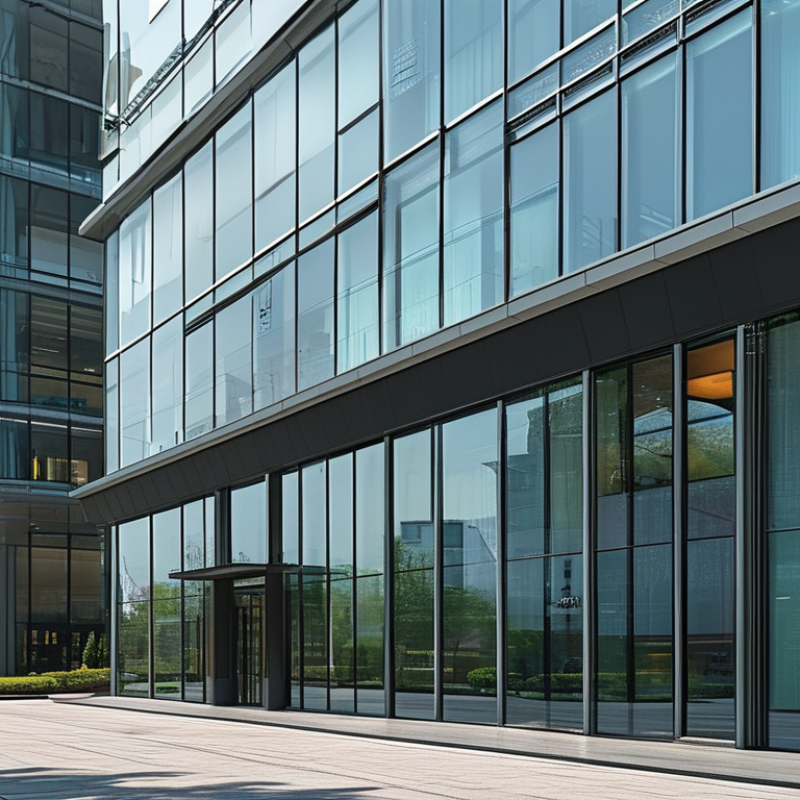
Overview of Insulated Glass Types Available in 2026
In 2026, insulated glass options are evolving significantly.
Low-emissivity (Low-E) glass leads the market with its advanced thermal performance.
This glass type reflects heat while allowing light to enter. Reports indicate that Low-E glass can improve energy efficiency by up to
30%. It’s especially appealing in regions facing extreme temperatures.
Another notable option is triple-glazed glass. This design incorporates three panes, offering superior insulation.
According to the International Energy Agency, triple-glazed windows can reduce energy loss by an impressive
50%. However, the higher upfront cost may deter some buyers.
The trade-off between initial investment and long-term savings requires careful consideration.
Lastly, vacuum-insulated glass (VIG) is gaining traction. With its sleek profile and outstanding insulation, it is suitable for modern architecture.
Yet, challenges exist regarding its fragility and installation complexity. While VIG offers innovation, it demands skilled labor for proper fitting.
As the market expands, buyers must weigh these factors when selecting insulated glass for their projects.
Key Factors Influencing Global Demand for Insulated Glass
The global insulated glass market faces various influencing factors in 2026. One primary driver is energy efficiency. Buildings account for nearly 40% of energy consumption worldwide. As governments push for stricter energy standards, demand for insulated glass increases. This trend emphasizes the need for effective thermal performance.
Technological advancements determine the types of insulated glass used. Reports indicate that triple-glazed units are gaining traction. They can enhance insulation by up to 40% compared to traditional double-glazing. However, high production costs remain a barrier. The market needs to find a balance between insulation performance and affordability.
Sustainability also plays a crucial role. Consumers and manufacturers increasingly favor eco-friendly materials. According to industry studies, around 25% of buyers consider sustainability when choosing glass types. This shift may improve the appeal of insulated glass. Yet, sourcing sustainable materials can be challenging and costly. These tensions highlight the complexities in meeting global demand for insulated glass.
Comparative Analysis of Performance Features in Insulated Glass
When exploring insulated glass options for 2026, performance features demand attention. A recent report from the Glass and Glazing Federation highlights that energy-efficient double-glazed windows reduce heat transfer by up to 50%. This is vital for global buyers concerned with energy costs.
Another critical factor is sound insulation. According to research from the National Fenestration Rating Council, insulated glass can reduce noise by 30 to 60 decibels. This performance is essential for urban environments, where noise pollution can be a significant concern. However, achieving the optimal balance between thermal and acoustic performance remains a challenge.
Buyers should also consider the durability of insulated glass units. Data from the American Architectural Manufacturers Association indicates that poorly sealed insulated glass may exhibit a decline in performance within five years. Testing standards can help measure longevity, but results vary. The industry still struggles to harmonize between cost, efficiency, and lifespan, making informed choices crucial.
Leading Manufacturers of Insulated Glass and Their Innovations
As we look toward 2026, the market for insulated glass is evolving rapidly. Leading manufacturers are prioritizing energy efficiency and innovative designs. According to a recent industry report, the global insulated glass market is projected to grow by 8% annually. This growth highlights the importance of innovation in this field.
One company recently introduced a multichamber glazing system. This design significantly improves thermal insulation, reducing energy costs for buildings. Additionally, advancements in Low-E coatings enhance the glass's performance against UV rays. Such innovations not only improve comfort but also contribute to sustainability efforts.
Tip: Consider the insulation rating when choosing products. Lower U-values indicate better insulation.
Collaboration between manufacturers and research institutions is crucial. For example, developments in smart glass technology are gaining traction. This glass adjusts its properties based on external conditions, making it a versatile option. However, not all innovations are practical for every market segment, necessitating careful evaluation.
Tip: Stay informed about local building regulations and market needs. Understanding these factors can guide your purchasing decisions effectively.
Sustainability Considerations in Choosing Insulated Glass Solutions
As the demand for sustainable building materials grows, insulated glass solutions are becoming critical. Buyers in 2026 will need to consider various environmental factors when selecting glass panels. These materials not only affect energy efficiency but also the overall carbon footprint of a building. The choice of raw materials and manufacturing processes plays a crucial role in sustainability.
Many insulated glass products use multiple layers and low-emissivity coatings to reduce heat loss. However, the production of these materials can be energy-intensive. It raises questions about their long-term sustainability. Certifications can guide buyers toward more eco-friendly options. Evaluating the life cycle of glass products is essential.
Water usage and waste generation during production are areas that need reflection. Some manufacturers are making strides in minimizing these impacts, while others lag. A balance must be struck between performance and environmental responsibility. It is vital to remain informed about advancements in technology and materials. This knowledge can help buyers make choices that benefit their projects and the planet.
FAQS
: Low-E glass reflects heat while allowing light in. It improves energy efficiency by up to 30%, ideal for extreme temperatures.
Triple-glazed glass includes three panes, reducing energy loss by 50%. However, the initial cost can be a concern for buyers.
VIG offers excellent insulation with a sleek design but is fragile and complex to install, requiring skilled labor.
Insulation ratings, particularly U-values, indicate performance. Lower U-values mean better insulation, which is essential for energy savings.
Companies are introducing multichamber glazing systems and improving Low-E coatings to enhance energy efficiency and sustainability.
Buyers must evaluate the environmental impacts of production, including energy use, water consumption, and waste generation associated with glass products.
Smart glass adjusts its properties based on external conditions, offering versatility and improved comfort, though it may not suit all markets.
Yes, certifications can help identify products with lower carbon footprints and more sustainable manufacturing practices.
It's crucial to weigh initial costs against long-term savings and to stay informed about technologies and regulations affecting their choices.
Striking a balance between performance, cost, and environmental responsibility is vital for making informed selections that benefit projects.
Conclusion
The article titled "Best Insulated Glass Options for Global Buyers in 2026" provides a comprehensive overview of the various types of insulated glass available in the market. It discusses key factors influencing global demand, including energy efficiency, cost-effectiveness, and changing consumer preferences. Through a comparative analysis of the performance features, the article highlights how different insulated glass products can meet specific needs in terms of insulation, durability, and aesthetic appeal.
Additionally, the article emphasizes the role of leading manufacturers in innovating insulated glass solutions that cater to evolving market demands. Sustainability considerations are also addressed, guiding buyers toward making environmentally friendly choices in their selection of insulated glass. Overall, the article serves as an essential resource for global buyers looking to make informed decisions in 2026.

 BYG.GLASS