The world of Painted Glass is vibrant and full of creative potential. In China, artisans master unique techniques to transform simple glass into stunning works of art. Expert Huang Wei once stated, "Every brushstroke on glass tells a story." This highlights the importance of both technique and emotion in painted glass designs.
Designed pieces often reflect cultural narratives. These storytelling elements are crucial in capturing attention. Artisan practices vary regionally, showcasing interwoven traditions. However, not every design is flawless. Some may lack balance or coherence, prompting artists to rethink their approaches. It's this journey of trial and error that enriches the painted glass craft.
The techniques themselves are fascinating. They range from traditional methods to modern innovations. Different paints and tools create diverse effects. Yet, the final product may not always meet the initial vision. Artists are constantly evolving, striving for perfection in their painted glass creations. This dynamic field is ever-changing, encouraging both reflection and growth.
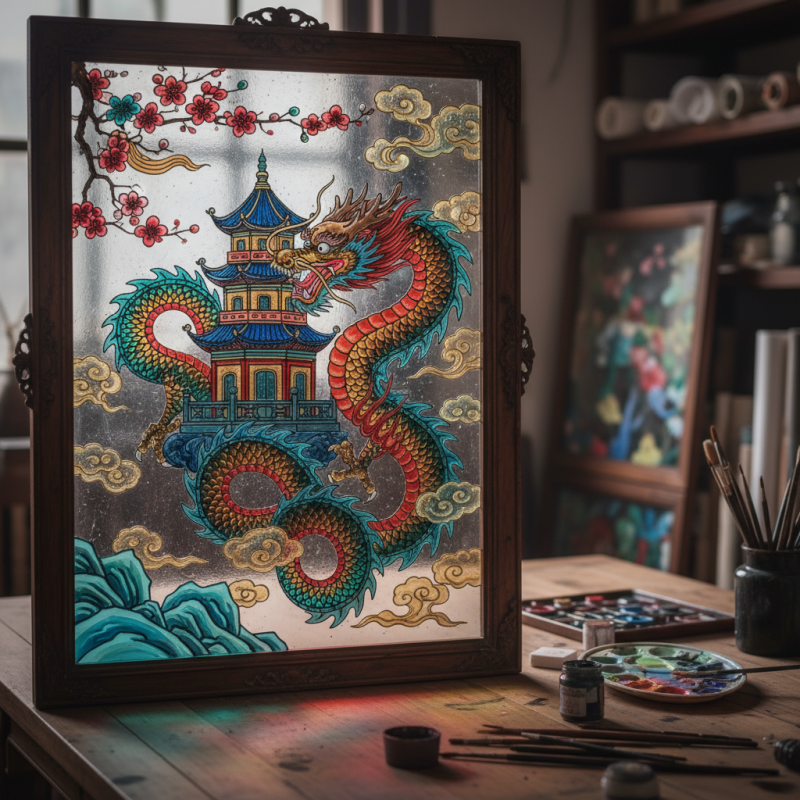
Painted glass has a long and rich history in China. Artisans use various techniques to create stunning designs. The process typically involves applying paint to glass surfaces, followed by a firing stage to ensure the paint adheres properly. This method allows for intricate detail and vibrant colors. Traditional motifs often include flowers, landscapes, and mythical creatures, each with its symbolic meaning.
Many artisans still face challenges in maintaining the authenticity of their designs. While some modern techniques have emerged, there's a risk of losing traditional craftsmanship. The balance between innovation and heritage is delicate. Each piece is a reflection of the artist's skill and cultural understanding. Yet, some designs may appear overly commercial, lacking the depth that traditional methods offered. This leads to ongoing discussions within the art community about quality versus quantity and the true essence of painted glass art in China.
Painted glass has a rich historical significance in China. It dates back centuries and reflects cultural beliefs and artistry. The techniques evolved over time, influenced by dynasties and social changes. Each era brought unique styles and colors, embodying the spirit of the time.
Tips: Experiment with colors and forms. Let your creativity flow, even if it feels imperfect. The beauty often lies in those unique touches.
The craftsmanship involves meticulous hand painting. Artisans combine different layers to achieve depth and vibrancy. This labor-intensive process requires patience and skill. Imperfections can add character, reminding us of the human touch involved.
Tips: Don’t shy away from mistakes. They might lead to unexpected beauty in your designs. Embrace each flaw as part of your artistic journey.
Understanding these historical techniques offers insights into Chinese culture. They reveal a connection to spirituality and storytelling. Painted glass is not just decorative; it's a window into the past. It encourages reflection on tradition and innovation.
Chinese painted glass designs exhibit a fascinating blend of artistry and technique. These creations often utilize traditional methods that have been passed down for generations. Common techniques include reverse painting, where artists paint on the backside of the glass. This method creates a unique depth, allowing colors to shine vividly when viewed from the front. According to a recent industry report, around 35% of artisans prefer this technique for its intricate detailing.
Another popular method is the use of enameling. This involves applying colored glass powder mixed with a binding agent. The mixture is then fired in a kiln, resulting in a durable and vibrantly colored surface. It's fascinating yet challenging, as achieving the right consistency can be tricky. Statistics show that nearly 25% of artists face issues with adhesion. They strive for balance but sometimes fall short.
Additionally, layering techniques enhance visual impact and storytelling within each piece. Artists may combine various patterns and motifs, sometimes leading to overwhelming designs. A balance must be struck between complexity and clarity. Some reports suggest that novice artists often struggle with this aspect, emphasizing the need for practice and reflection. The synergy of these techniques continues to evolve, adding depth to China's rich glass artistry.
| Design Name | Technique Used | Color Palette | Key Features |
|---|---|---|---|
| Traditional Chinese Landscape | Hand Painting | Green, Blue, Brown | Mountain and water scenes |
| Floral Motif | Silkscreen Printing | Pink, Red, Yellow | Detailed flower designs |
| Abstract Patterns | Etching | Black, White, Grey | Geometric shapes and lines |
| Cultural Symbols | Airbrush Technique | Gold, Orange, Red | Presenting heritage and traditions |
| Modern Minimalist | Frosted Glass Finishing | White, Clear | Simplicity and elegance |
Chinese glass painting is a rich art form. It often features themes from nature. Artists might depict flowers, birds, or landscapes. These motifs are not just pretty. They hold deeper meanings in Chinese culture.
A common theme is the lotus flower. It symbolizes purity and rebirth. Many artists choose vibrant colors for their lotus designs. This makes the pieces come alive. Another popular motif is the dragon. It embodies strength and is a symbol of good luck. Artists use intricate details to highlight its majestic form.
Techniques vary widely. Some artists use traditional tools, while others experiment. There is beauty in imperfections. Every brushstroke tells a story. Yet, mastering this art takes patience. The journey can be frustrating. Artists often reflect on their progress and seek to improve. This blend of tradition and personal touch makes each piece unique.
In recent years, painted glass designs in China have evolved significantly. Modern techniques now blend traditional artistry with cutting-edge technology. Artists often utilize digital printing methods alongside hand-painted artistry. This combination enhances detail and precision, producing striking effects on glass surfaces.
However, the industry faces challenges. Many artisans struggle to maintain their cultural heritage amidst rapid modernization. Some techniques are being lost. Traditional skills often compete against faster, cheaper processes. The focus on speed sometimes overshadows the importance of craftsmanship. This raises questions about authenticity and value in the painted glass market.
Emerging trends highlight eco-friendly materials and sustainable practices. More artisans are becoming aware of their environmental impact. Recycled glass is gaining popularity, resulting in unique pieces with character. As the industry adapts to modern values, the balance between innovation and tradition becomes crucial. It invites reflection on what painted glass truly represents.
: Painted glass is a traditional art form where artisans create designs on glass surfaces.
Techniques include reverse painting and enameling, both enhancing color and detail.
Many artisans struggle with maintaining traditional craftsmanship amid modern techniques.
Artists paint on the back of the glass, creating depth and vivid colors seen from the front.
Yes, digital printing methods blend with hand-painted artistry, enhancing detail but risking tradition.
Eco-friendly materials, like recycled glass, are becoming popular, adding uniqueness to designs.
Yes, faster processes often overshadow the importance of careful craftsmanship in the industry.
Artisans must adapt to modern values while preserving their cultural heritage and authenticity.
Traditional motifs, like flowers and landscapes, hold cultural and symbolic meanings.
A balance between complexity and clarity is necessary to convey stories and maintain visual appeal.
Painted Glass has a rich history in China, showcasing a blend of artistry and cultural significance that dates back centuries. The techniques used in Chinese painted glass design are multifaceted, involving both traditional methods and modern innovations that reflect contemporary trends. Common techniques include intricate hand painting and layering, which allow artisans to create vivid scenes and detailed motifs that resonate with historical themes and symbolism.
The motifs often found in Chinese painted glass encompass elements from nature, mythology, and traditional folklore, reflecting the values and aesthetics of Chinese culture. As the industry evolves, artists are also exploring new materials and methods, merging age-old practices with modern design sensibilities. This dynamic interplay between tradition and innovation makes painted glass a vibrant and continually evolving art form in China.

BYG.GLASS