When considering materials for your business, Float Glass stands out as a versatile option. Known for its clarity and smooth surface, Float Glass is commonly used in construction, architecture, and even interior design. However, choosing the right Float Glass requires more than just looking at price.
Understanding your specific needs is vital. The thickness of the glass, any potential coatings, and applications can all influence your choice. Businesses must approach suppliers with clear specifications. Not all suppliers provide the same quality. Researching options helps in making informed decisions.
While Float Glass is readily available, it's essential to reflect on long-term needs. Are you prioritizing durability or aesthetics? The right glass can impact your project's overall success. Investing time in understanding its characteristics ensures your choice aligns with your business goals.
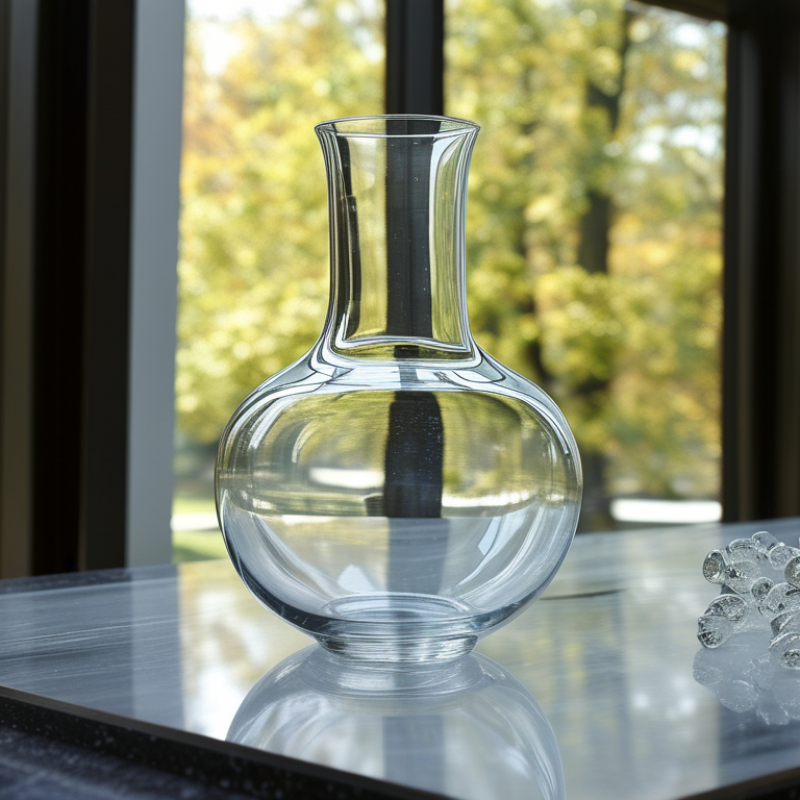
Float glass is a type of flat glass that is widely used in various applications. It is made by floating molten glass on top of molten tin. This process results in a smooth, uniform surface. Float glass is known for its clarity and optical properties, making it ideal for windows, doors, and facades.
The characteristics of float glass include its thickness, durability, and ability to be treated or coated. Typically, it ranges in thickness from 2mm to 19mm. Thinner glass is lighter and easier to handle, but it may not be as strong. Thicker glass offers better strength but can be cumbersome.
One might consider the limitations of float glass, such as its susceptibility to breakage. Once broken, it can shatter into sharp pieces, posing safety risks. Additionally, the glass's weight can be a challenge in certain installations. Reflecting on these factors is essential for making informed purchasing decisions.
| Characteristic | Description | Applications |
|---|---|---|
| Transparency | High clarity and light transmission, allowing for clear viewing. | Windows, display cases, glass doors. |
| Thermal Resistance | Can withstand temperature changes and thermal shocks. | Facades, solar panels, conservatories. |
| Thickness Variability | Available in various thicknesses to meet different structural needs. | Commercial buildings, architectural features. |
| Safety Options | Can be tempered or laminated for enhanced safety and durability. | Shower doors, storefronts, railings. |
| Coating Options | Comes with various coatings for UV protection and energy efficiency. | Insulated glass units, green building applications. |
Identifying your business needs for float glass is a crucial step in purchasing. Start by assessing the specific applications. Are you using float glass for windows, display cases, or perhaps furniture? Each use case requires different specifications. For instance, safety considerations might differ between a storefront and a home.
Consider the size of the glass sheets needed. Float glass comes in various thicknesses and dimensions. Understanding the dimensions helps avoid excess costs. Additionally, the quality of glass varies widely. Goals could range from energy efficiency to aesthetic appeal. It’s essential to reflect on what matters most for your project.
Budget constraints will also shape your choices. A lower cost might seem tempting, but it could impact durability and performance. Weigh out the potential risks versus savings. This thought process brings clarity to your priorities. Ultimately, a focused approach to your needs leads to better purchasing decisions.
When assessing suppliers for float glass, quality standards are paramount. Start by researching potential suppliers.
Visit their facilities if possible. This gives you insight into their production processes. Look for ISO certifications. This indicates adherence to international standards.
Reliable suppliers should also provide documentation of their materials. Ensure the glass meets the necessary safety and durability criteria.
Consider the specific needs of your business. Different applications require various types of float glass. For instance, architectural glass needs higher clarity and strength.
Ask suppliers for product samples. Evaluate these samples for thickness, clarity, and any visual imperfections. This can reveal much about their quality control processes.
Engagement is crucial. Discuss your requirements directly with suppliers. Pay attention to their responses.
Are they knowledgeable? Do they answer your questions thoroughly? This interaction can reflect their commitment to quality.
Remember to check reviews or testimonials from other businesses. Real experiences provide valuable insights into a supplier's reliability and performance.
When considering float glass for your business, pricing and delivery options are crucial. You need to evaluate multiple suppliers to understand the market rates. Prices can vary significantly based on quality and supplier reputation. Always ask for detailed quotes, including costs for shipping and handling. This helps in making informed decisions.
Tips: Check for bulk purchase discounts. Sometimes, ordering larger quantities can save you money in the long run. Be cautious, though; overestimating your needs could lead to excess inventory.
Delivery time is another essential factor. Some suppliers may offer quick turnaround times, while others may take weeks. Compare these timelines when assessing suppliers. Recognize that delays can impact your projects and customer satisfaction. Keeping a close eye on timelines ensures smooth operations.
Tips: Communicate clearly with suppliers about your deadlines. This can help you avoid misunderstandings. Always have a few backup suppliers in case of unplanned delays.
When buying float glass, understanding your needs is crucial. The global float glass market reached $62 billion in 2022, and it's projected to grow at a rate of 7.5% annually until 2030. Such statistics reveal the increasing demand for high-quality glass in construction, automotive, and solar industries. This trend highlights the importance of making informed purchasing decisions.
Consider the specifications tailored to your business. Thickness, durability, and thermal properties can vary significantly. For instance, float glass typically ranges from 2mm to 19mm in thickness, impacting its use in various applications. Additionally, energy-efficient glass options, which can reduce heating and cooling costs, are becoming more sought after. Over 30% of glass used in modern buildings now features energy-efficient coatings, according to a recent industry report.
Choosing a reputable supplier is equally important. Evaluate their certification and compliance records. Quality does not always equate to price; many affordable options may compromise reliability. A recent survey indicates that 25% of businesses faced issues due to inferior glass quality. Making a wise choice requires balancing cost with quality. Always consider long-term impacts on performance and safety. Each purchase decision shapes your business’s reputation and bottom line.
: Start by assessing the specific applications for the glass.
Consider the intended use, size, thickness, and quality of float glass.
Lower costs may impact durability and performance; balance costs against risks.
Prices vary widely; evaluate multiple suppliers to understand market rates.
Always request detailed quotes that include shipping and handling costs.
Yes, ordering larger quantities can lead to discounts and savings.
Delays can affect project timelines and customer satisfaction.
Have backup suppliers ready to avoid unplanned delays in delivery.
Yes, quality affects energy efficiency and aesthetic appeal, so reflect on your priorities.
Be careful not to overestimate your needs; this could lead to unnecessary costs.
When considering the purchase of Float Glass for business needs, it is essential to first understand its definition and key characteristics. Float Glass is known for its smooth surface and clarity, making it suitable for various applications. Identifying specific business requirements—such as thickness, size, and intended use—is crucial in selecting the right type of Float Glass.
Additionally, assessing suppliers based on quality standards and their ability to meet your needs is vital. Compare pricing and delivery options to ensure you get the best value, considering both cost and timeliness. Ultimately, making an informed purchase decision involves gathering relevant information and carefully evaluating all options to ensure that the Float Glass chosen aligns perfectly with your business objectives.

BYG.GLASS