Choosing the right coated glass is essential for both aesthetics and functionality. Renowned coated glass expert Dr. Sarah Reynolds emphasizes, "Not all coated glass is created equal; understanding your needs is crucial." This insight highlights the importance of considering various factors when selecting coated glass for specific applications.
Coated glass can enhance energy efficiency and reduce glare. However, not every type caters to every environment. Some coatings are better suited for residential buildings, while others excel in commercial settings. An informed choice depends on understanding the specific requirements of your project.
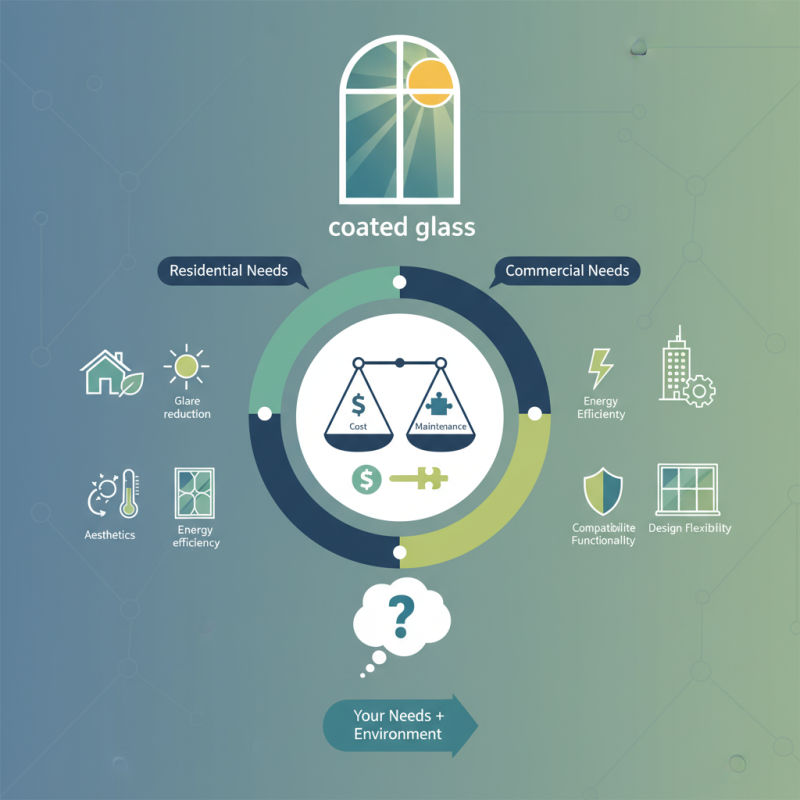
While coated glass offers numerous benefits, it is vital to reflect on the potential drawbacks. Cost, maintenance, and compatibility with existing structures are critical considerations. Are you choosing for aesthetics or energy savings? The best choice will align with your unique needs and those of your environment. Balancing these factors will ensure you make a well-rounded decision.
Coated glass is an innovative material used in various applications. Understanding its definitions and types can guide you in making the right choice. Generally, coated glass is glass that has a thin layer of material applied to its surface. This coating can alter its properties, enhancing energy efficiency or aesthetics.
There are several types of coated glass. Low-E (low emissivity) glass reflects heat while allowing daylight in. It is popular for energy-efficient buildings. On the other hand, reflective glass reduces glare and improves privacy. Solar control glass minimizes heat gain from sunlight. Each type serves a distinct purpose, and selecting the right one is essential.
However, the best option depends on your specific needs. Sometimes, it can be overwhelming to choose among the options. Consider your location and climate. Reflective glass might not be suitable for all environments. Additionally, the visual aspects are also important. It’s about balancing functionality and design. An informed choice will yield the best results.
When selecting coated glass, understanding performance metrics is crucial. Solar control is a primary concern. According to recent data, 40% of energy loss in buildings is due to glass. Choosing a coating with high performance can reduce this loss significantly. Look for coatings with low solar heat gain coefficients (SHGC). A lower SHGC means better heat control.
Visibility also plays a role. Clarity and light transmission are important for aesthetics and functionality. Coatings with high Visible Light Transmittance (VLT) can maintain indoor brightness while blocking harmful UV rays. A report from the Glass Association states that up to 80% UV protection can be achieved with the right coatings. This can enhance the longevity of furniture and reduce skin damage.
Consider the maintenance of coated glass as well. Some coatings require more care than others. This can impact long-term costs. A detailed study revealed that easier-to-clean coatings reduce maintenance time by up to 30%. This factor often gets overlooked but can significantly affect user satisfaction. Evaluating these aspects thoroughly ensures that the chosen glass meets both performance and practical needs effectively.
Coating technologies for glass vary widely. Common types include Low-E, reflective, and anti-reflective coatings. Each type serves specific purposes. For instance, Low-E coatings minimize heat transfer, maintaining indoor temperatures. According to the U.S. Department of Energy, such coatings can improve energy efficiency by up to 30%. This can significantly reduce heating and cooling costs.
Reflective coatings enhance privacy and reduce glare. They reflect sunlight while allowing natural light indoors. The effectiveness varies based on the coating's material and thickness. Anti-reflective coatings reduce reflections, improving visibility for building occupants. Studies show that these coatings can increase light transmission by as much as 45%.
Choosing the right coating depends on location and function. Urban areas may benefit from reflective coatings to manage heat gain. Meanwhile, residential settings might prioritize Low-E or anti-reflective options for comfort. It's essential to consult with professionals. They can provide insights tailored to your specific requirements, ensuring you make an informed decision. The market for coated glass continues to grow, expected to reach $50 billion by 2026. Research into durability and maintenance remains crucial, as not all coatings withstand environmental challenges equally.
| Coating Type | Key Benefits | Best Use Cases | Durability | Cost Range ($/sq ft) |
|---|---|---|---|---|
| Low-E Coating | Energy efficiency, UV protection | Residential and commercial buildings | High | 5-15 |
| Reflective Coating | Glare reduction, enhanced privacy | Office buildings, storefronts | Medium | 4-12 |
| Anti-Reflective Coating | Reduced glare, improved clarity | Display cases, optical devices | High | 8-20 |
| Self-Cleaning Coating | Easy maintenance, reduces dirt accumulation | Skylights, facades | Medium | 10-25 |
| Safety Coating | Increased strength, shatter resistance | Windows in high-risk areas | High | 15-30 |
When selecting coated glass, considering the application is vital. Coated glass serves diverse purposes in construction, automotive, and electronics. According to industry data, over 70% of architects prefer low-emissivity (Low-E) glass for energy efficiency. This type reflects heat while allowing natural light. It is ideal for commercial buildings aiming for sustainability.
Certain applications require specific coatings. For example, anti-reflective (AR) coatings enhance clarity for display screens, crucial for user engagement. Reports indicate that displays with AR coatings can improve visibility by up to 30%. However, some coatings may degrade over time. An analysis reveals that up to 15% of coated glass can lose efficacy after several years due to environmental factors.
Another essential factor is UV filtering. Coatings that block UV rays are significant for preserving interior furnishings. Studies show that UV-filtering glass reduces fading by over 50%. This reduction prolongs the lifespan of valuable items. Still, the choice of coating must align with situational demands. One must weigh the cost against long-term benefits.
Coated glass products can enhance aesthetics and functionality in your home or office.
However, they require proper maintenance for longevity. Regular cleaning is crucial.
Use a soft cloth and mild soap solution to avoid scratches.
Harsh chemicals can damage the coating.
Consider the humidity and environment where the glass is placed.
High humidity can lead to mold growth. Periodically check for any signs of wear or damage.
Addressing issues early can prevent further deterioration.
Remember, even the best coatings cannot withstand neglect.
Sometimes, it's easy to overlook small blemishes. A simple scratch might seem minor, yet it can impact the overall appearance.
Reflect on your maintenance schedule.
Are you giving your coated glass the attention it needs? Regular checks and conscious care will ensure your coated glass remains a
beautiful and functional element in your space.
: Coated glass has a thin layer of material on its surface. This layer can enhance energy efficiency and aesthetics.
Common types include Low-E glass, reflective glass, and solar control glass. Each serves different needs in various environments.
Solar control reduces energy loss in buildings. Poor glass choices can lead to significant heat gain.
UV filtering protects interiors from fading. It can prolong the life of furniture by reducing exposure to harmful rays.
Evaluate your local climate, visual needs, and performance metrics. This helps in making an informed decision.
Clarity and light transmission are key. High Visible Light Transmittance improves aesthetics while blocking harmful UV rays.
Yes, some coatings require more upkeep. Easier-to-clean surfaces can reduce maintenance time by about 30%.
Yes, environmental factors may degrade coatings. Up to 15% can lose efficacy after several years of use.
Not necessarily. It depends on specific applications and individual needs. Weigh costs against long-term benefits.
Balance functionality with design. A well-chosen coating can enhance both performance and visual appeal in your space.
When choosing the best coated glass for your needs, it's essential to understand the various definitions and types available in the market. Coated glass refers to glass products that have undergone surface treatment to enhance performance characteristics, such as energy efficiency, UV protection, and aesthetic appeal. Evaluating key performance factors—such as solar control, thermal insulation, and durability—is crucial in selecting the right coated glass.
A comparative analysis of different coating technologies reveals distinct benefits, tailored to specific applications, from residential buildings to commercial structures. Additionally, application-specific considerations must be addressed to ensure the selected coated glass meets functional requirements. Proper maintenance and care are vital to prolong the lifespan and effectiveness of coated glass products, helping to maintain their appearance and performance over time.

BYG.GLASS