Choosing the right insulated glass windows for your home is crucial. According to the National Fenestration Rating Council, insulated glass windows can reduce energy costs by up to 30%. These windows are essential for enhancing energy efficiency and improving comfort.
Industry expert Dr. Emily Carter emphasizes, "Investing in high-quality insulated glass windows can yield both immediate savings and long-term benefits." This statement highlights the importance of selecting products that meet specific performance standards. Quality windows not only provide thermal benefits but also enhance the aesthetics of your home.
Various factors influence your selection. Frame material, type of insulation, and window design are all critical. While it may be tempting to opt for the cheapest option, potential long-term issues could arise. An ideal choice will balance cost, efficiency, and durability, leading to a more sustainable investment. Remember, making informed decisions can profoundly impact your home’s energy use.
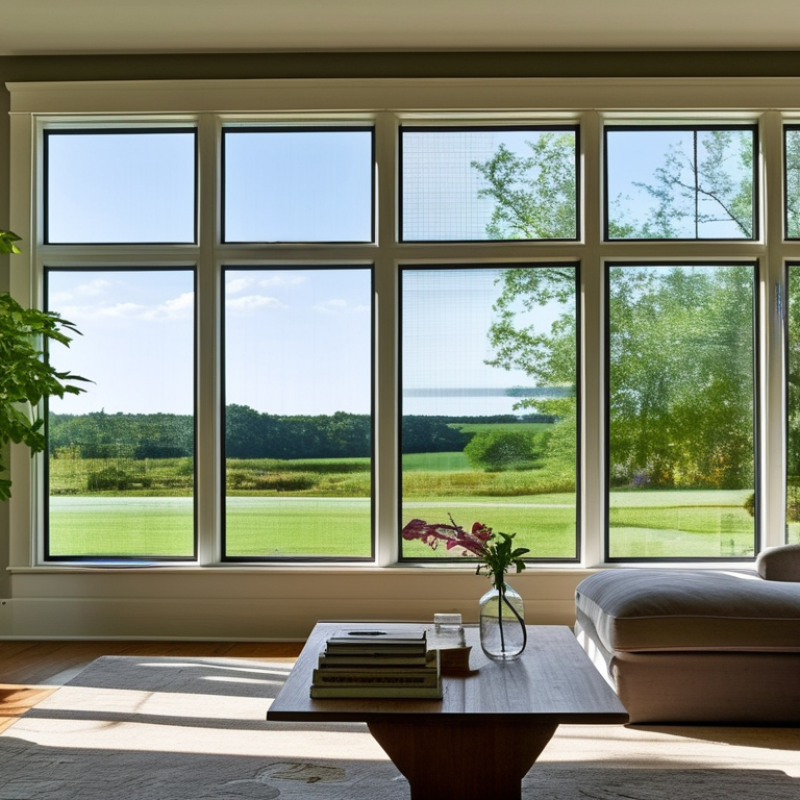
Choosing the right insulated glass windows involves careful consideration. Start by assessing your climate. Different regions have unique insulation needs. In colder areas, triple-pane windows offer better thermal performance. Conversely, double-pane windows may suffice in milder climates. Think about the frame material too. Vinyl frames are energy-efficient and low-maintenance.
The window orientation also plays a key role. South-facing windows can capture sunlight. In contrast, north-facing windows may need higher insulation levels. Additionally, consider Low-E coatings. These coatings reflect heat and keep homes comfortable year-round. They can significantly reduce energy costs over time.
Don’t forget the importance of professional installation. Poorly installed windows can negate insulation benefits. An expert can help avoid common pitfalls. Lastly, set a realistic budget. High-quality insulated glass windows can be an investment, but they can pay off through energy savings. Aim for balance between cost and energy efficiency for the best results.
When selecting insulated glass units (IGUs) for your home, understanding the types available is crucial. Double-glazed windows are common. They consist of two glass panes with a space in between. This space often contains argon gas, enhancing insulation. This design helps to reduce energy costs. Many homeowners appreciate the balance of insulation and affordability.
Triple-glazed windows offer even more insulation. They include three panes of glass. The added layer significantly reduces noise and external temperature influence. This is particularly beneficial in busy urban areas. Homeowners should consider their climate when choosing. In colder regions, triple glazing can lead to substantial savings on heating bills.
Another option is low-emissivity (Low-E) glass. It reflects heat back into your home while preventing UV rays from entering. This keeps interiors comfortable and protects furniture from fading. However, Low-E coatings can be more expensive. It's essential to weigh these benefits against your budget and needs. Every option has its merits and drawbacks, making personal reflection key in the decision-making process.
When selecting insulated glass windows, focus on energy efficiency ratings. These ratings give insight into how well a window can insulate your home. The National Fenestration Rating Council (NFRC) provides crucial data on energy performance. Look for the U-factor rating, which measures heat transfer. A lower U-factor indicates better insulation, ideally below 0.30 for residential windows.
Additionally, check the Solar Heat Gain Coefficient (SHGC). This rating shows how much solar radiation passes through the window. For warm climates, a lower SHGC can reduce cooling costs. In colder regions, a higher SHGC may be beneficial to capture solar heat. According to a 2022 Energy Star report, homes using windows with a U-factor of 0.22 to 0.25 experienced up to 30% lower heating costs.
Don't overlook air leakage ratings. The American Architectural Manufacturers Association states that tighter seals lead to improved energy efficiency. Air leakage ratings should be low, ideally less than 0.3 cubic feet per minute. However, achieving perfect insulation is challenging. Regular maintenance and proper installation are crucial for optimal performance. Consider these factors carefully to make a more informed choice.
Choosing the right frame material is crucial when selecting insulated glass windows. Different materials offer varying levels of insulation and durability. Wood frames are attractive and provide good insulation but often require regular maintenance. Aluminum frames are strong and low-maintenance but might conduct heat, affecting performance. Vinyl frames are energy-efficient and resistant to moisture but may not have the same aesthetic appeal as wood.
When considering the impact of frame materials, think about your home's climate. For colder climates, wood or vinyl is often a better choice due to superior insulation properties. In warmer areas, aluminum may be suitable, but look for thermal breaks to enhance insulation. Each frame material has its trade-offs, and it’s important to weigh these factors based on personal needs and preferences.
Choose a window frame that complements your home’s style while focusing on energy efficiency. Consider the long-term maintenance required for each type. Reflect on how much insulation matters to your living conditions. The right choice can enhance comfort and reduce energy bills significantly.
| Frame Material | U-Factor (Rating) | R-Value (Insulation) | Weather Resistance | Maintenance Level |
|---|---|---|---|---|
| Vinyl | 0.30 | 3.33 | Excellent | Low |
| Aluminum | 0.50 | 2.00 | Good | Medium |
| Wood | 0.35 | 2.86 | Fair | High |
| Fiberglass | 0.24 | 4.17 | Excellent | Low |
| Composite | 0.29 | 3.45 | Good | Medium |
When installing insulated glass windows, proper techniques are essential for achieving maximum efficiency.
Start by ensuring a well-sealed frame. Any gaps can lead to air leaks, diminishing the insulation benefits.
A caulking gun will be your best friend; skillfully apply a bead of caulk around the frame before placing the glass.
Choosing the right installation angle is equally crucial. Windows should be framed correctly to avoid trapping water.
Water accumulation can damage both the windows and your walls. An inclination of about 10 degrees often helps in runoff.
Evaluate your workspace regularly during installation. Are there any misalignments? This attention to detail can make a significant difference.
Adjustments might seem small but can enhance performance greatly. Remember, a meticulous approach to window installation leads to
long-term energy savings and improved comfort.
: Energy efficiency ratings help you understand how well windows insulate your home.
The U-factor measures heat transfer. A lower U-factor means better insulation for your home.
Aim for a U-factor below 0.30 for optimal insulation in residential settings.
SHGC shows how much solar heat enters through windows. It can impact cooling and heating costs.
In warm climates, a lower SHGC reduces cooling costs effectively.
Low air leakage ratings indicate better seals. High air leakage can decrease your windows' efficiency.
Aim for an air leakage rating under 0.3 cubic feet per minute for better performance.
Ensure a well-sealed frame and proper installation angle to avoid air leaks and water pooling.
Small misalignments can lead to significant efficiency losses. Regular evaluations are important.
Maintenance ensures optimal performance. Even small gaps can lead to efficiency setbacks over time.
When selecting insulated glass windows for your home, it's essential to consider several factors that impact their efficiency and performance. Key considerations include the types of insulated glass units available, which vary in benefits such as noise reduction and energy conservation. Understanding energy efficiency ratings is crucial, as these specifications help determine the optimal choice for your specific climate needs.
In addition to the type of glass, the choice of frame materials significantly affects the overall performance of insulated glass windows. Materials can vary widely in insulation properties and durability. Furthermore, adhering to best installation practices is vital for ensuring optimal window efficiency, reducing the risk of air leaks and improving thermal performance. By thoughtfully evaluating these aspects, homeowners can make informed decisions that enhance energy savings and comfort in their living spaces.

BYG.GLASS