Choosing the right laminated glazing for your project can be challenging. Laminated glazing offers safety, sound reduction, and UV protection. It consists of two or more glass layers bonded together, typically with a plastic interlayer. This creates a strong barrier against breakage and impacts, making it a popular choice in both commercial and residential applications.
When selecting laminated glazing, consider the building's purpose and location. For instance, high-traffic areas may need thicker glass. Also, think about the climate. Regions with severe weather may require enhanced features. Remember, not all laminated glazing is equal. Some products offer better acoustic insulation than others. Researching the options is crucial for informed decisions.
Trustworthy sources and expert opinions can guide your selection process. It's essential to weigh pros and cons, as every option has its drawbacks. Relying solely on aesthetics might not meet functional needs. Reflecting on these details helps ensure your project meets safety and performance standards.
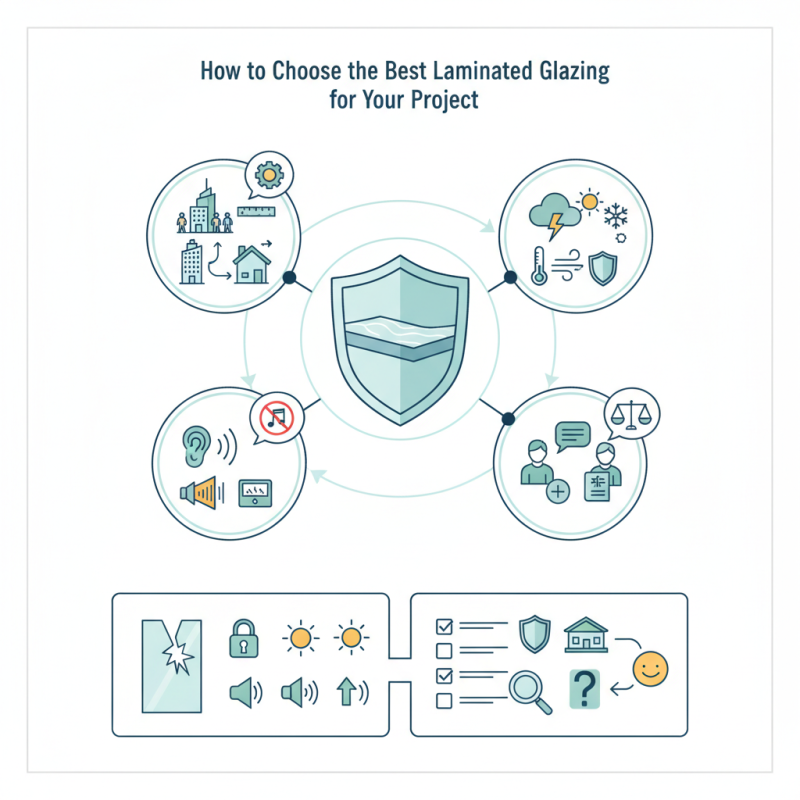
Understanding Laminated Glazing: Key Features and Benefits
Laminated glazing is a crucial component for modern architectural projects. It offers unique features and significant benefits. One of the main advantages is its enhanced safety. Laminated glass holds together when shattered, reducing the risk of injury from sharp shards. This makes it an excellent choice for both commercial and residential spaces.
Another key feature is its sound insulation. Laminated glazing can significantly minimize noise pollution, creating a more peaceful indoor environment. The interlayer in laminated glass absorbs sound waves, making it ideal for urban settings or noisy neighborhoods.
Tip: When choosing laminated glazing, pay attention to the thickness. Adjusting the thickness can impact sound attenuation and safety levels.
Durability is another highlight. Laminated glass can withstand harsh weather conditions, UV rays, and impacts. This longevity ensures that the aesthetics remain intact over time.
Tip: Consider climate and location when selecting laminated glazing. Some areas may require tougher glass due to exposure to extreme conditions.
Remember that not all laminated glazing is created equal. Different projects may need specific features, such as energy efficiency or UV protection. Evaluating your project's unique needs will help in making an informed decision.
Tip: Engage with professionals to gain insights for your specific requirements. Their experience can guide you to the right choice.
Types of Laminated Glazing: Choosing the Right One for Your Needs
Choosing the right laminated glazing can significantly impact your project's performance. Different types of laminated glazing serve various needs, from safety to energy efficiency. For instance, glass that incorporates polyvinyl butyral (PVB) offers excellent impact resistance and sound insulation.
According to a report from the Glass Association, laminated glazing can reduce noise levels by up to 30%. This makes it ideal for urban settings.
Consider your requirements carefully. Do you need enhanced security? Look for laminated options with thicker interlayers. For energy efficiency, opt for low-emissivity (Low-E) coated laminated glass. This type minimizes UV exposure and maximizes thermal performance.
An analysis by the National Renewable Energy Laboratory (NREL) shows that low-E coatings can improve energy efficiency by as much as 40% in commercial buildings.
Tips: Always review the specific acoustic and thermal performance metrics of each type. It may also be beneficial to consult with an architect or glazing expert for tailored advice. Remember, not all laminated glasses are created equal. Some may not perform well in extreme weather conditions. Be critical of your choice and its implications.
Factors to Consider When Selecting Laminated Glazing for Your Project
When selecting laminated glazing for your project, several key factors require consideration. The thickness and composition of the glazing significantly impact its performance. Reports indicate that even slight variations in thickness can enhance sound insulation by up to 5 decibels. This detail is crucial for urban areas where noise pollution is prevalent.
Safety and security should also be prioritized. Laminated glazing has proven to be a deterrent against break-ins and natural disasters. Data from industry studies show a 75% reduction in injuries during glass-related accidents when using laminated products. Choosing the right interlayer, such as polyvinyl butyral (PVB), can further increase safety features.
Tip: Always consult with a professional to match the glazing specifications with your project’s specific load requirements. Additionally, consider environmental factors, like UV protection and energy efficiency. Laminated glazing can block up to 99% of harmful UV rays, protecting internal furnishings.
Understanding your project’s needs determines the best laminated glazing choice. Customizing your options may lead to better long-term performance. Reflecting on these factors is essential to achieving a successful outcome. Make sure you balance aesthetics with practicality.
Application Scenarios: Where Laminated Glazing Excels
Laminated glazing has gained popularity in various architectural projects due to its unique properties. It excels in areas requiring
safety, sound insulation, and UV protection. According to a 2022 report by the International Glass Association, 90% of architects prefer laminated glass for high-rise buildings due to its resilience against impact. This makes it ideal for locations prone to severe weather, such as coastal areas.
In commercial settings, laminated glazing serves a dual purpose. It enhances aesthetics while providing security. For example, schools and hospitals benefit significantly from its sound-dampening capabilities. A study by the National Institute of Building Sciences found that laminated glass reduces sound transmission by up to 30 decibels. This reduction creates a more comfortable environment, allowing professionals to focus better without distractions.
However, laminated glazing isn't without its challenges. Installation can be complicated and requires skilled labor. Additionally, while it offers safety benefits, improper selection may lead to increased costs without significantly enhancing performance. Evaluating the specific needs of a project is crucial for determining the best laminated glazing solution. Only by understanding these variables can designers optimize their material choices effectively.
Installation and Maintenance Tips for Optimal Performance of Laminated Glazing
When it comes to installing laminated glazing, proper installation is key to achieving optimal performance. According to industry reports, up to 70% of glazing failures stem from improper installation. Therefore, choosing qualified professionals is essential. Ensure that the team is well-versed in laminated glazing techniques, particularly for handling the unique properties of the glass.
Tips for optimal installation include checking the frame alignments before glazing installation. Any misalignment can lead to stress points, which may compromise durability. Additionally, apply an appropriate sealant to prevent moisture infiltration. Moisture can cause delamination, a common issue that affects 10% of installed laminated units over time.
Maintenance is equally vital for laminated glazing. Regular inspections can help identify any signs of wear or delamination. It's advisable to clean laminated surfaces with non-abrasive solutions to preserve clarity and performance. Remember, over time, even the best materials can fade or dull.
Adjusting cleaning methods based on site conditions can prolong the lifespan of your glazing.
FAQS
: Laminated glazing enhances safety by holding together when shattered. It reduces the risk of injury from sharp glass shards.
It significantly minimizes noise pollution. The interlayer absorbs sound waves, creating a peaceful indoor space, especially in urban settings.
Pay attention to the thickness. This impacts sound insulation and safety levels. Specific requirements should guide your choice.
Yes, laminated glass withstands harsh weather conditions and impacts. It remains aesthetically pleasing over time with proper selection.
Yes. Low-emissivity (Low-E) coated laminated glass maximizes thermal performance, improving energy efficiency by up to 40% in some buildings.
It is popular in high-rise buildings and commercial settings like schools and hospitals. Its sound insulation properties are particularly beneficial.
Installation can be complicated and requires skilled labor. Poor selection might lead to increased costs without better performance.
Engaging with experienced architects or glazing experts can provide insights tailored to your project’s unique needs and requirements.
No, not all laminated glasses perform equally. Some may not withstand extreme weather or fulfill specific project needs effectively.
Always check acoustic and thermal performance metrics. This helps ensure the material meets the project’s specific safety and efficiency requirements.
Conclusion
Laminated glazing is an advanced glazing solution that offers a range of key features and benefits, making it an excellent choice for various projects. Understanding its properties, including enhanced safety, sound insulation, and UV protection, can guide you in selecting the right type of laminated glazing tailored to your specific needs. Different types exist, each designed for distinct applications, so identifying the suitable option is crucial.
When selecting laminated glazing, several factors should be considered, such as thickness, interlayer materials, and performance characteristics. Furthermore, recognizing the ideal application scenarios can help you maximize the advantages of laminated glazing, whether for residential, commercial, or industrial uses. Proper installation and maintenance are essential for ensuring optimal performance, so following effective guidelines will help maintain the integrity and functionality of your laminated glazing over time.

 BYG.GLASS