When considering the integration of Laminated Glass Windows in your project, it's essential to understand their unique properties. John Smith, a renowned expert in architectural glass technology, emphasizes, "Laminated glass is not just a choice; it's a safety investment." His insights reflect the importance of selecting the right materials for both functionality and security.
Laminated Glass Windows offer numerous benefits, such as enhanced safety and noise reduction. These windows consist of two or more glass layers, bonded together with a specialized interlayer. This construction makes them resistant to impact and breakage. The multilayer design also provides excellent acoustic performance. However, homeowners may overlook factors like solar performance and aesthetics.
Choosing Laminated Glass Windows requires careful consideration. Not every project needs the same specifications. It's crucial to assess your unique requirements. Consider factors such as climate, design vision, and budget. In the end, the decision can shape both the beauty and safety of your space. Balancing practicality with aesthetic value often leads to challenging decisions.
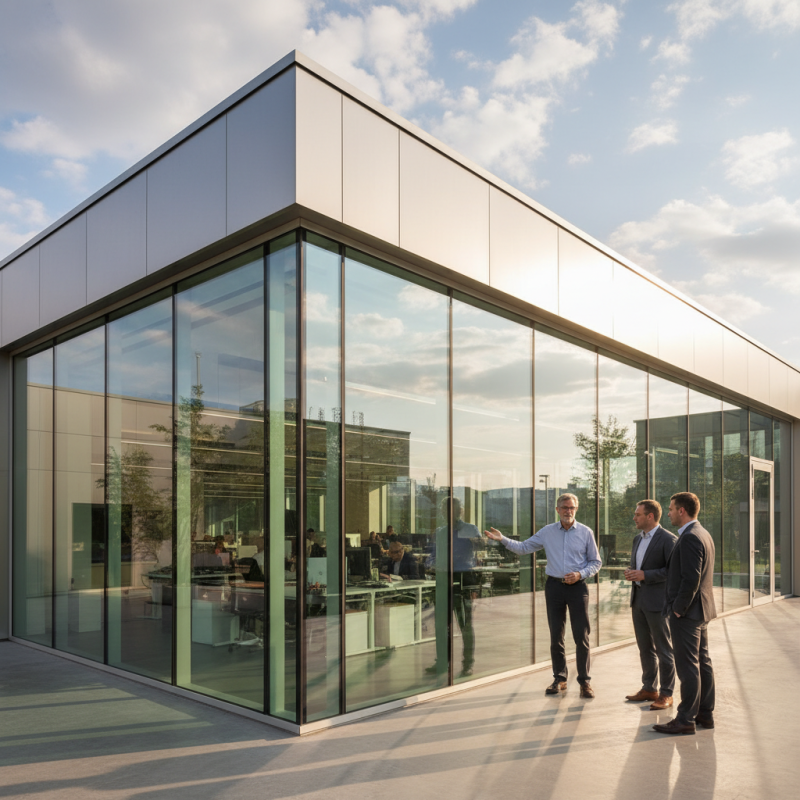
Choosing laminated glass windows for your project involves careful consideration. Different factors can affect the overall effectiveness and aesthetic appeal of the windows. One important aspect is the thickness of the glass. Thicker layers provide better sound insulation and security. However, they can also add weight, which might require stronger support structures.
Another critical factor is the type of interlayer used. Various materials offer different properties. Some interlayers improve UV resistance, while others enhance durability. Understanding these options can significantly affect how the windows perform over time. It's essential to think about the environment as well. For instance, areas with high UV exposure may require special coatings to prevent fading.
Budget constraints may also play a role in decision-making. While laminated glass often offers superior benefits, it might come at a higher cost than standard glass. Balancing quality and expense can be challenging. Think about the long-term investment versus short-term savings. Sometimes, cutting corners may lead to greater expenses in maintenance or replacements later on. Each decision should align with your project’s goals and requirements.
Laminated glass offers numerous benefits in modern construction. Its durability and safety features make it a popular choice for windows. Comprised of multiple layers, laminated glass withstands breakage better than standard glass. When subjected to force, the inner layer holds the glass together, reducing the risk of injury from sharp shards.
In addition to safety, laminated glass provides excellent sound insulation. It minimizes noise pollution, making buildings more comfortable and serene. This is especially beneficial for urban environments, where outside noise can be intrusive. However, builders must consider the weight and installation requirements of laminated glass. It demands careful planning to ensure structural integrity.
Another advantage is UV protection. Laminated glass effectively blocks harmful UV rays, prolonging the life of furnishings and reducing heat gain. This can lead to energy savings. Yet, it is crucial to reflect on the initial cost. While laminated glass may be pricier upfront, it often pays off long-term through reduced maintenance and energy costs. Always evaluate the project's specific needs to make an informed decision.
| Feature | Details | Benefits |
|---|---|---|
| Sound Insulation | Reduces noise penetration | Improves comfort in living spaces |
| Safety | Holds shards together when broken | Minimizes injury risks |
| UV Protection | Blocks harmful UV rays | Protects interiors from fading |
| Energy Efficiency | Better thermal performance | Reduces heating and cooling costs |
| Aesthetic Appeal | Available in various styles and finishes | Enhances building design |
Laminated glass windows are gaining traction due to their exceptional performance in safety, sound insulation, and thermal efficiency. According to the Glass Association, laminated glass can reduce sound transmission by up to 34 decibels. This is significant for residential and commercial spaces in noisy environments. The interlayer used in laminated glass plays a critical role in absorbing sound waves, leading to a quieter indoor atmosphere.
When considering insulation, laminated glass often outperforms traditional window options. Reports indicate that laminated glass can enhance energy efficiency by minimizing heat transfer. This feature is essential in areas with extreme weather conditions. Improved insulation not only lowers utility bills but also contributes to environmental sustainability.
Tip: Always check the sound reduction index and thermal performance ratings before finalizing your decision. Not all laminated glass is created equal. Additionally, avoid assuming that higher thickness always equates to better performance. Be mindful of the specific needs of your project, as each application may require different specifications. Finding a balance between safety, soundproofing, and energy efficiency will ensure optimal results.
When selecting laminated glass windows for your project, it’s crucial to understand the industry standards and regulations for 2026. These standards ensure safety and performance. Laminated glass offers sound insulation and protection against UV rays. It’s widely used in both residential and commercial buildings.
In 2026, regulations emphasize the importance of manufacturing processes. Quality control measures guarantee the durability and safety of laminated glass. These windows must meet specific impact resistance requirements. For instance, they should withstand extreme weather conditions and potential breakage. Adequate testing should verify these attributes.
It's vital to collaborate with knowledgeable suppliers who comply with current standards. Their expertise can guide your choices. However, the market is constantly evolving. Some regulations may appear unclear or conflict with typical practices. Staying informed of updates can prevent potential issues in your project.
When considering the installation of laminated glass windows, understanding the cost implications is crucial. Laminated glass offers superior insulation and noise reduction, but these benefits come at a higher price point. Budgeting carefully for both materials and installation is imperative. On average, laminated glass can cost 30% more than standard glass options. Factors like size, thickness, and customization will further influence price.
It's essential to plan for additional expenses beyond just the glass. Labor costs, which can fluctuate drastically, should be factored in. Installation requires expertise, and subpar work can lead to issues later on. Unexpected expenses may arise; mistake correction or structural modifications often increase costs. If you're confined by a tight budget, carefully consider which areas you can adjust. Perhaps limit the use of laminated glass to focal points, rather than an entire installation.
Consulting with those experienced in this field can provide clarity. They can help assess the trade-offs between upfront expenses and long-term benefits. Research local installers who can profile their past projects. Their insights may help you navigate the complexities of budgeting for laminated glass.
: Consider the thickness of the glass for insulation and security. Think about the required support structures.
Different interlayers offer various properties, improving UV resistance or enhancing durability. Choose based on your needs.
Areas with high UV exposure need special coatings to prevent fading. Understand your environment’s demands.
Yes, laminated glass can cost about 30% more than standard glass. Budget carefully for quality and installation.
Expect labor costs and potential unexpected expenses. Subpar installation may lead to future issues and costs.
Limit laminated glass use to focal points. Consider which areas are crucial for your project’s goals.
Absolutely, they provide valuable insights on trade-offs between upfront costs and long-term benefits.
Yes, poor work can lead to future maintenance issues that are more costly than initial savings.
Research local installers and assess their past projects. Compare their work quality and pricing.
Don't overlook the total cost, including materials and labor. Unexpected costs can arise, impacting your budget.
In the evolving landscape of modern construction, choosing the right Laminated Glass Windows for your projects is paramount. Key factors to consider include safety, sound insulation, and energy efficiency, all of which contribute to the overall performance of the building. Understanding the benefits of laminated glass not only enhances structural integrity but also provides aesthetic advantages, making it a popular choice among architects and builders.
Moreover, being aware of industry standards and regulations for laminated glass in 2026 is crucial for compliance and safety. A thorough cost analysis and budgeting plan will help ensure that the installation of laminated glass windows aligns with project goals while maintaining financial viability. Ultimately, these considerations can lead to successful project outcomes that meet both functional and design requirements.

BYG.GLASS