How to Choose Laminated Safety Glass Windows for Your Needs?

Time:2026-05-25 Author:Oliver
0%

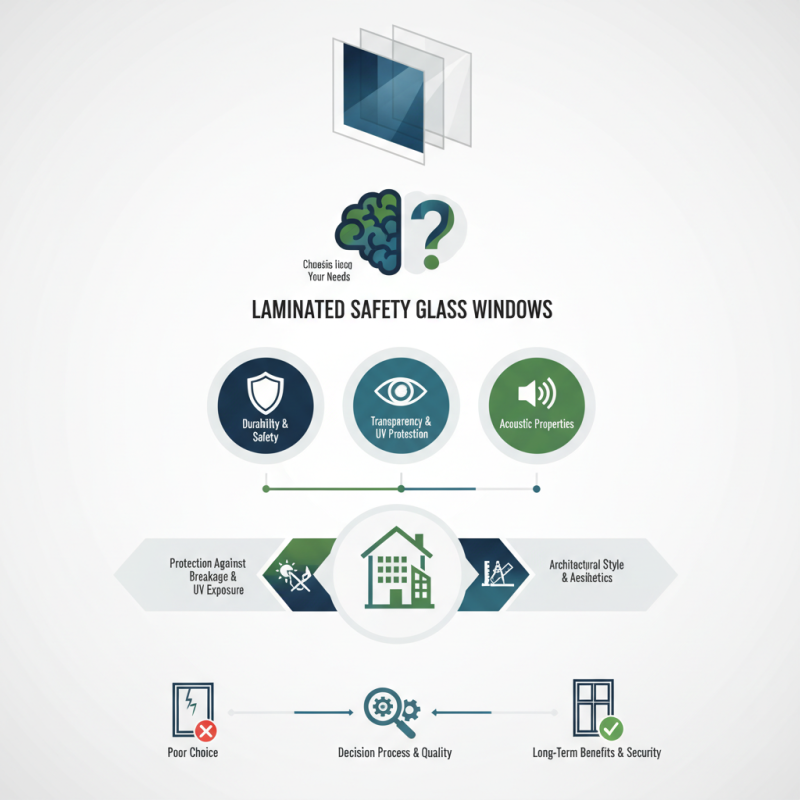
Choosing the right Laminated Safety Glass Windows is crucial for both safety and aesthetics. Expert John Smith, a specialist in architectural glass design, emphasizes, "Selecting the right glass requires understanding its features and benefits." These windows provide superior protection against breakage and UV exposure. They are essential for homes, offices, and public buildings.

When choosing Laminated Safety Glass Windows, consider your specific needs. Evaluate their durability, transparency, and acoustic properties. Each feature plays a role in enhancing comfort and security. The design should match the architectural style of your property while providing necessary safety measures.

It's easy to overlook the importance of quality. A poorly chosen window might compromise safety or aesthetics. Reflecting on the decision-making process is vital. Consider not only immediate needs but also long-term benefits. Careful selection ensures your Laminated Safety Glass Windows serve their purpose effectively.
How to Choose Laminated Safety Glass Windows for Your Needs?

Understanding the Different Types of Laminated Safety Glass Available

Laminated safety glass is a popular choice for people seeking durability and security in windows. This type of glass consists of two or more layers of glass held together by a plastic interlayer. The interlayer provides added strength and resistance to impacts. The performance of laminated safety glass is often evaluated using standards established by organizations like ASTM and EN. Research indicates that laminated glass can reduce external noise by up to 50%, making it an excellent choice for urban settings.

There are several types of laminated safety glass available on the market. PVB (polyvinyl butyral) is the most commonly used interlayer. It offers good acoustic and UV protection. Another option is SGP (SentryGlas Plus), which provides superior strength and stability. It's especially useful in applications exposed to severe weather. A recent report revealed that the global laminated glass market is expected to grow significantly, driven by increasing demand in construction and automotive industries.

When choosing laminated safety glass, consider factors such as thickness and interlayer material. Thicker glass offers better safety; however, it can be heavier and more challenging to install. Assessing the specific needs of your project is crucial. Many customers may overlook the potential trade-offs involved. It's essential to evaluate both performance and cost to ensure you get the best value for your investment.

Key Benefits of Choosing Laminated Safety Glass for Windows

Laminated safety glass for windows offers various benefits that make it an attractive choice for homeowners. One key advantage is its ability to withstand impact. This makes it an excellent choice for areas prone to storms or break-ins. Its layered design ensures that, even if shattered, the glass remains intact and doesn't pose a danger. This feature greatly enhances home security and safety.

Another benefit is sound insulation. Laminated glass significantly reduces outside noise. This is particularly beneficial for homes located near busy roads or urban areas. The layers of glass and interlayers help in absorbing sound waves. As a result, your home remains a peaceful sanctuary.

Tip: When selecting laminated glass windows, consider your local climate. Understanding elements like wind, rain, and temperature variations can guide your decision.

Tip: Always consult a professional installer. Their expertise ensures correct measurements and enhances the window's performance.

Investing in laminated safety glass is not just about aesthetics. It's about creating a secure, quiet, and modern living space. Think carefully about your needs and priorities before making a decision.

Important Factors to Consider When Selecting Laminated Safety Glass

When selecting laminated safety glass windows, it's crucial to consider several key factors. Security is the primary concern. Laminated glass provides an additional layer of protection against break-ins. The interlayer holds the glass together, reducing the risk of shattering. Think about how much safety matters to your home or business environment.

Another important aspect is the acoustic insulation properties. Laminated safety glass can significantly reduce noise from outside sources. This is particularly beneficial in busy urban areas. You want to create a peaceful environment to enhance comfort.

Tips: Look for glass with a thicker interlayer for better soundproofing. It's also wise to consult with a professional to ensure proper installation.

Don't overlook thermal performance. Laminated safety glass can improve energy efficiency. This can result in lower utility bills. Selecting low-emissivity (Low-E) coatings can reflect heat. However, balancing cost with benefits might require some reflection. Consider how long you plan to stay in your location.

Tips: Compare various glass thicknesses. Thicker glass often provides better durability. Review local regulations, too, as they may influence your choices.

How to Choose Laminated Safety Glass Windows for Your Needs?

Factor Description Benefits
Thickness Select the appropriate thickness for security and insulation. Enhanced protection and better thermal performance.
UV Protection Choose laminated glass that blocks harmful UV rays. Reduced fading of furniture and flooring.
Sound Insulation Look for glass with sound-dampening properties. Reduced noise pollution from outside.
Safety Ratings Check for relevant safety certifications and standards. Assurance of quality and safety in performance.
Warranty Consider the length and coverage of the warranty offered. Peace of mind and protection against defects.

Industry Standards and Certifications for Laminated Safety Glass

When selecting laminated safety glass, understanding industry standards and certifications is crucial. These standards ensure the glass meets safety and performance criteria. For instance, the American National Standards Institute (ANSI) and the safety glazing certification council establish guidelines that protect consumers. Look for certifications that indicate the glass can withstand impacts and resist shattering.

In addition to safety certifications, consider the energy efficiency ratings. Some laminated glass products have energy labels that showcase their performance. This helps in making informed choices about insulation and thermal performance. However, not all certifications are equal. Be sure to research and verify the credibility of the standards listed by manufacturers.

It's important to reflect on the environmental impact of your choice. Some laminated safety glass may not be recyclable, which could raise concerns in the long run. While safety is a priority, sustainability should also be part of the conversation. Assessing both aspects can lead to better choices.

How to Choose Laminated Safety Glass Windows for Your Needs?

Cost Analysis: Comparing Laminated Safety Glass to Other Window Options

When considering laminated safety glass windows, cost analysis is crucial. Laminated glass tends to be more expensive than traditional options. The materials used in laminated glass can drive up the price. However, it offers enhanced safety and sound insulation, which are invaluable benefits.

Comparing costs with alternatives like single-pane or tempered glass reveals significant differences. Single-pane glass is cheaper upfront, but it fails to provide the same level of protection. Tempered glass, while strong, does not reduce noise as effectively. Choosing laminated glass may mean a higher initial investment, but long-term savings on energy and repair costs are often realized.

Budget constraints can be a concern. One might question if the additional expense is worth it. Consider your specific needs. If safety and noise reduction are priorities, laminated glass may be worth the investment. However, if your budget is tight, explore all options carefully. Each choice has trade-offs that deserve reflection before making a final decision.

FAQS

: What is a key advantage of laminated safety glass for windows?

: It can withstand impact, enhancing home security and safety.

How does laminated glass affect sound levels in a home?

It significantly reduces outside noise, creating a peaceful living environment.

Why is climate consideration important when choosing laminated glass?

Local climate influences how well the glass performs against wind, rain, and temperature changes.

Should I hire a professional for the installation of laminated glass?

Yes, a professional ensures correct measurements and optimal performance.

What should I look for in industry standards for laminated safety glass?

Look for safety certifications and impact resistance indicators to safeguard yourself.

Are all energy efficiency certifications equal for laminated glass?

No, it’s essential to research and verify the credibility of the certifications provided by manufacturers.

How does the cost of laminated glass compare to other options?

Laminated glass is generally more expensive but offers better safety and sound insulation.

Are there sustainability concerns with laminated safety glass?

Some types may not be recyclable, raising long-term environmental concerns.

Can laminated glass lead to long-term savings despite higher upfront costs?

Yes, it may save on energy and repair costs over time.

What should I contemplate before deciding on laminated glass windows?

Reflect on your safety, noise reduction priorities, and budget constraints.

Conclusion

When choosing Laminated Safety Glass Windows, it's essential to understand the various types available and their distinct features. Laminated safety glass is designed to enhance protection against impact, making it ideal for residential and commercial applications. The key benefits include enhanced security, UV protection, and noise reduction, which contribute to a more comfortable living environment.

Before making a selection, consider important factors such as thickness, clarity, and resistance to weather conditions. Additionally, ensuring that the glass meets industry standards and certifications can provide peace of mind regarding safety and performance. Lastly, conducting a cost analysis compared to traditional window options can help identify the best value for your investment in Laminated Safety Glass Windows, ensuring both safety and affordability.


Oliver

Oliver

Oliver is a seasoned marketing professional with a wealth of expertise in driving brand awareness and engagement. With a deep understanding of our company's product offerings, he consistently delivers high-quality content that enriches our professional blog. His insights not only shed light on......