Smart Tinting Glass is revolutionizing the way we think about privacy and energy efficiency in our spaces. According to a recent report by MarketsandMarkets, the global smart glass market is expected to reach $7.73 billion by 2026, growing at a compound annual growth rate (CAGR) of 12.5%. This surge reflects a rising demand for innovative building solutions and eco-friendly designs. Smart Tinting Glass provides not just aesthetic appeal but also practical benefits, including reduced energy consumption and enhanced comfort.
Choosing the right Smart Tinting Glass for your home or office involves careful consideration of its features. These products can adjust their opacity based on external light conditions or user preferences. However, not all smart glasses are created equal. Factors like installation costs, energy efficiency ratings, and durability should be evaluated. Users might face challenges in understanding the varying technologies and their applications. While some might opt for less expensive alternatives, this could result in higher long-term energy costs or subpar performance.
Understanding the potential of Smart Tinting Glass leads to more informed choices for both aesthetics and functionality. Exploring the diverse options available can help enhance your environment. Yet, one must remain aware of personal needs and the specific advantages offered by different products. Balancing cost, performance, and usability is crucial for maximizing the benefits of this innovative technology.
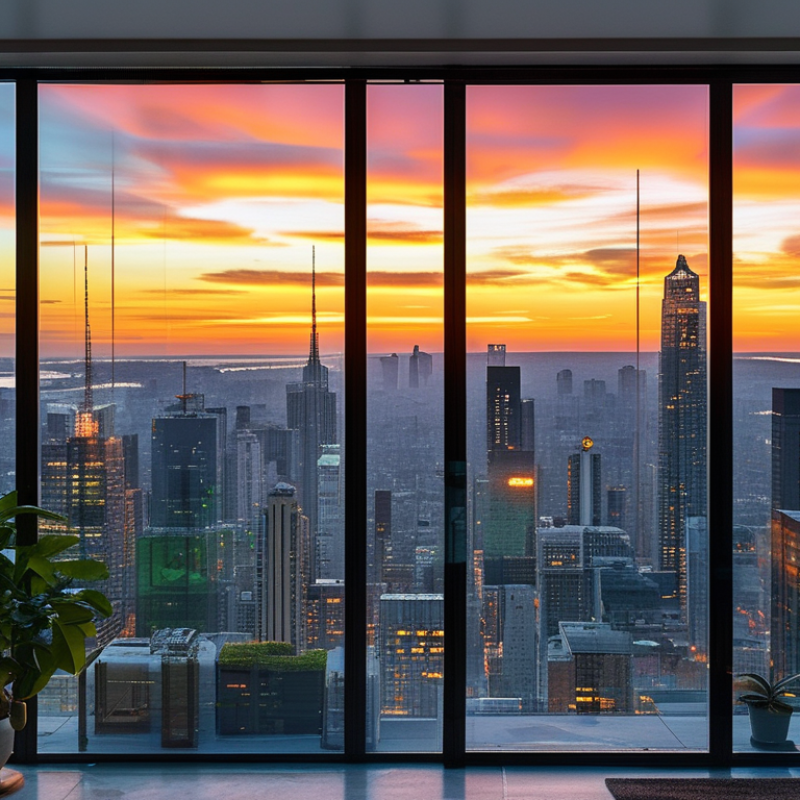
Understanding Smart Tinting Glass Technology and Its Benefits
Smart tinting glass technology has revolutionized how we manage light, privacy, and energy efficiency in our homes and offices. This innovative solution can change transparency at the touch of a button, allowing for customized control over your environment. Unlike traditional window treatments, smart tinting glass is sleek and unobtrusive, seamlessly integrating into modern designs.
When considering smart tinting glass, consider its many benefits. It can block harmful UV rays, reducing heat and glare while protecting your furniture. This technology can also lead to lower energy bills. Installations may sometimes require hefty upfront costs, but they pay off in the long run. The energy savings and comfort are essential.
Tips for choosing smart tinting glass include assessing your needs. Think about how much sunlight your space receives. Consult with professionals who specialize in glass technology. They can provide tailored advice for your climate. Regular maintenance can ensure optimal performance, so understand the care it needs. Not every solution fits every space, so take time to consider the implications of your choice.
Key Factors to Consider When Choosing Smart Tinting Glass
Choosing smart tinting glass for your home or office requires careful consideration of several key factors. One important aspect is the glass's energy efficiency. Quality smart tinting glass can significantly reduce your energy bills by regulating indoor temperatures. Look for products that offer low solar heat gain and high insulation performance. This feature is vital, especially in regions with extreme temperatures.
Another crucial element is the level of privacy and glare control the tinting provides. Depending on the location of your windows, you may prefer a product that allows natural light while obstructing outside views. Some options may provide fully adjustable tints, while others have fixed levels. It’s worth contemplating how these variations affect your daily comfort and productivity.
Installation and maintenance should also influence your decision. Professional installation ensures proper sealing and functionality. However, you should also evaluate how easy it is to clean and maintain the glass. Often, smart tinting glass can attract dust and dirt, which may require special cleaning solutions. This could complicate upkeep, an essential aspect to consider if you live a busy lifestyle.
Comparing Different Types of Smart Tinting Glass: Options and Features
Smart tinting glass has become a key feature in modern buildings. It offers flexibility in controlling light and privacy. Different types vary in their mechanisms and features. Some use electrochromic technology, while others rely on photochromic materials. Each type has unique benefits.
Electrochromic glass allows for adjustable tinting. Users can manually set the intensity. Reports indicate this technology can reduce energy costs by up to 25%. On the other hand, photochromic glass responds automatically to sunlight. Its passive nature is appealing, but it lacks precise control.
Consider the installation process. Some smart tinting solutions require professional help. DIY options are available, but they may not perform as well. Research shows poor installations lead to a 15% drop in efficiency. Homeowners and businesses must weigh these factors carefully. Balancing aesthetics with function is crucial.
Comparison of Different Types of Smart Tinting Glass Features
This chart depicts the feature scores of various types of smart tinting glass. The scores reflect their performance based on user preferences and functionalities, with a scale from 1 to 10.
Evaluating Energy Efficiency Ratings of Smart Tinting Glass Solutions
When considering smart tinting glass, energy efficiency is crucial. This feature not only reduces energy costs but also enhances indoor comfort. According to a report by the U.S. Department of Energy, smart window systems can save up to 30% on energy bills. This percentage may vary based on climate, building orientation, and usage patterns.
Evaluating energy efficiency ratings is essential in selecting the right solution. Look for products with a low U-factor, indicating better insulation. A lower Solar Heat Gain Coefficient (SHGC) means reduced solar heat absorption. These metrics are vital for maximizing energy efficiency. A study by the International Window Film Association noted that windows with high energy ratings can significantly lower both cooling and heating demands in buildings.
However, not all smart tinting solutions provide the same energy savings. It's important to consider local climate when making a decision. What works in a sunny area might not be effective in a cooler region. Some solutions might require further evaluation on cost versus benefit. The key is to navigate various ratings carefully and reflect on your specific needs.
Installation and Maintenance Tips for Smart Tinting Glass Systems
Installing smart tinting glass can transform your living or working environment. Proper installation is crucial. Ensure the glass is fitted by professionals. This guarantees optimal performance and longevity. A professional team understands the intricacies of the technology involved.
Maintenance of smart tinting glass systems is relatively simple but essential. Regularly clean the surface with a soft cloth and a gentle cleanser. Avoid abrasive materials that could scratch the glass. Check the connection cables periodically. If you notice any issues, consult a technician for repairs.
It's important to understand the technology behind smart tinting. Not all systems are created equal. Be prepared to adapt as these systems might require updates or recalibration over time. Consider visiting forums or expert websites to gather tips and gain insights from other users' experiences. This will help you make informed decisions about maintaining your tinted glass.
How to Choose Smart Tinting Glass for Your Home or Office? - Installation and Maintenance Tips for Smart Tinting Glass Systems
| Feature |
Description |
Maintenance Tip |
Installation Tip |
| Energy Efficiency |
Smart tinting glass helps in reducing energy costs by regulating temperature. |
Regularly check the tinting functionality to ensure optimal performance. |
Ensure proper sealing around edges during installation to prevent air leaks. |
| Privacy Control |
Adjustable tinting provides enhanced privacy when needed. |
Clean the glass with non-abrasive solutions to maintain clarity. |
Follow the manufacturer's guidelines for electrical connections during installation. |
| UV Protection |
Blocks harmful UV rays, protecting furniture and skin from damage. |
Inspect for any damage or film deterioration regularly. |
Use professional services for complex installations to ensure safety. |
| Cost |
Initial investment can be high, but savings on energy can offset costs. |
Budget for regular checks and potential repairs to ensure longevity. |
Get multiple quotes to find a competitive installation price. |
| Aesthetic Appeal |
Available in various styles and tints to match your décor. |
Avoid using harsh chemicals that could damage the tint. |
Consider the orientation of windows when selecting tint levels. |
Conclusion
Smart Tinting Glass is an innovative solution that offers both aesthetic appeal and functional benefits for residential and commercial spaces. This technology adjusts the level of transparency based on light conditions, improving comfort and privacy. When selecting Smart Tinting Glass, it's essential to consider factors such as energy efficiency ratings, installation requirements, and maintenance needs. By evaluating different types and their features, homeowners and business owners can make informed choices that enhance their environments while reducing energy costs.
Moreover, understanding the benefits of Smart Tinting Glass, such as UV protection and glare reduction, is crucial for maximizing its advantages. Proper installation and regular maintenance are key to ensuring the longevity and performance of these systems. Overall, Smart Tinting Glass presents a modern approach to window management, blending technology with practicality for smarter living and working spaces.

 BYG.GLASS