How to Choose the Best Coated Glass for Your Projects?

Time:2026-07-15 Author:Isabella
0%

Choosing the right coated glass for your projects can seem daunting. With numerous options available, understanding their benefits is crucial. Industry expert Dr. Julia Teilnehmer states, "Selecting the proper coated glass is essential for enhancing energy efficiency and aesthetic appeal." This insight underscores the importance of making informed decisions.

Coated glass comes in various types, each designed for specific needs. Whether you seek thermal insulation, glare reduction, or UV protection, the right choice will impact your project significantly. Many overlook how different coatings can affect durability and maintenance. Evaluating these factors is vital for lasting performance.

As designers and builders navigate available options, it’s easy to feel overwhelmed. Conducting thorough research and consulting professionals can be beneficial. The goal is to harmonize functionality with design. Reflect on the long-term impacts of your choice. In the end, an informed selection of coated glass can elevate your project's success.
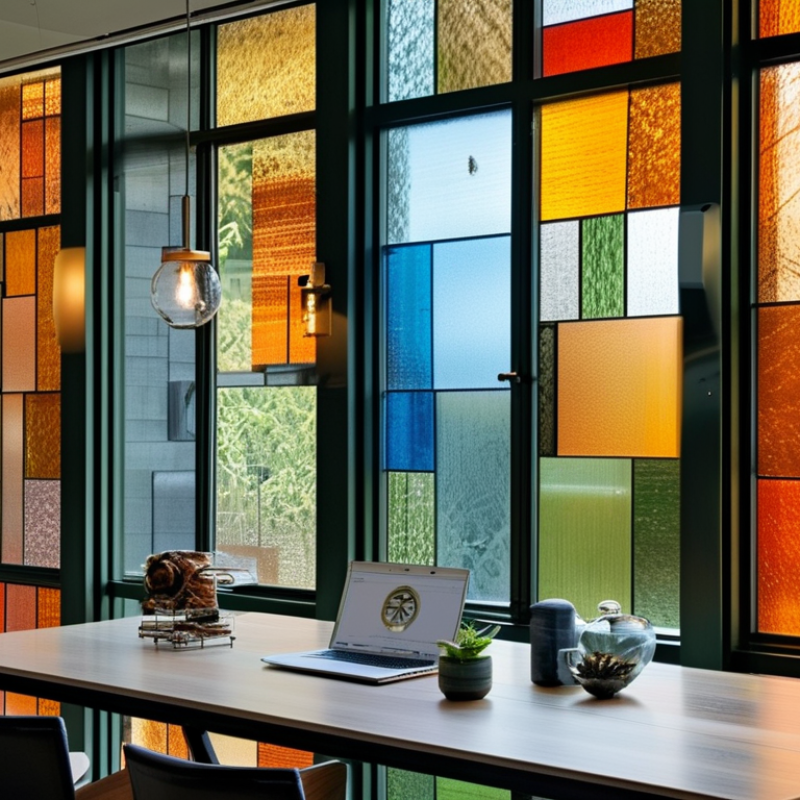
How to Choose the Best Coated Glass for Your Projects?

Factors to Consider When Selecting Coated Glass for Your Project

When choosing coated glass for your project, consider several key factors. The type of coating significantly impacts performance. Some coatings reflect heat, while others provide UV protection. Determine your project's specific needs before making a decision. This understanding will guide you in selecting the right features.

The thickness of the glass also matters. Thicker glass is often more durable and offers better insulation. However, it may come at a higher cost. Ensure that your budget aligns with the required thickness for your application. Installation can be tricky with heavier materials, so factor in labor costs as well.

Finally, think about aesthetics. Coated glass comes in various colors and finishes. The look you choose should complement your overall design. Balancing functionality and appearance can be challenging. It's essential to reflect on both elements to achieve your desired outcome.

Types of Coatings Available and Their Applications in the Industry

Choosing the right coated glass can significantly impact the functionality of your projects. There are various types of coatings available. Each type serves a unique purpose suited to specific applications. For instance, low-emissivity (low-E) coatings are popular for energy efficiency. They reduce heat loss and help maintain indoor temperatures. This type of coating is essential for residential and commercial buildings alike. However, sometimes low-E glass can alter natural light transmission.

Solar control coatings are another option. These coatings reflect a portion of solar radiation. They help in keeping interiors cooler during hot months. While advantageous, they may restrict visible light, making interiors feel dimmer. Choosing the right balance is often challenging. Reflective and absorptive coatings also have their roles, especially in high-heat environments. Nevertheless, they can cause issues with glare.

The choice of coatings depends on various factors. Climate, building orientation, and intended use should guide decisions. It's crucial to consider the long-term implications of each option. While aiming for aesthetics, functionality should not be sacrificed. A proper understanding of the different coatings is vital. Reflecting on these attributes will lead to better decision-making in your projects.

How to Choose the Best Coated Glass for Your Projects? - Types of Coatings Available and Their Applications in the Industry

Coating Type Description Applications Advantages
Low-E Coating A thin, transparent coating that reflects infrared radiation. Residential and commercial windows, curtain walls. Improves energy efficiency, reduces heating costs.
Reflective Coating A coating that reflects visible light and infrared rays. High-rise buildings, storefronts. Reduces glare, enhances privacy, offers aesthetic appeal.
Anti-Reflective Coating Minimizes light reflection to improve visibility. Eyewear, camera lenses, display screens. Enhances clarity, reduces eye strain.
Self-Cleaning Coating Uses sunlight and rain to break down dirt and grime. Residential windows, facades. Reduces maintenance costs and enhances longevity.
Smart Coating Changes transparency with electric current. Smart buildings, privacy glass. Offers dynamic control over light and privacy.

Performance Metrics: U-Value, Solar Heat Gain, and Visible Light Transmission

When selecting coated glass for your projects, understanding performance metrics is crucial. U-value measures thermal resistance. A lower U-value indicates better insulation. This is vital in energy-efficient designs. Consider your climate when evaluating U-values. In colder areas, aim for a glass with a lower U-value to conserve heat.

Solar Heat Gain (SHG) is another key metric. It measures how much solar energy passes through the glass. A high SHG can increase cooling costs in warm climates. Look for coatings that reflect unwanted heat while allowing light. Balance is essential. You want to minimize glare without compromising natural daylight.

Visible Light Transmission (VLT) refers to how much light glass allows in. A higher VLT enhances indoor lighting, reducing reliance on artificial light. However, too much glare can be uncomfortable. Test different coatings to find the best fit for your project's needs.

Tips: Evaluate environmental conditions before making a choice. Take time to analyze how each metric affects your project. A thorough understanding leads to better decision-making. Avoid hasty decisions based on aesthetics alone. Each metric plays a role in your glass's overall performance.

Understanding the Impact of Coated Glass on Energy Efficiency and Costs

Choosing the right coated glass can significantly affect energy efficiency and costs in your projects. Coated glass comes in various types, each with unique properties. Low-emissivity (Low-E) glass reflects heat while allowing light to pass through, which can reduce energy consumption. According to a report by the U.S. Department of Energy, using Low-E glass can lead to energy savings of 30-50% in heating and cooling costs.

However, selecting coated glass isn't just about energy savings. Different coatings can influence light transmission, which affects daylight quality inside a building. A study published in the Journal of Architectural Science found that improper glazing choices could result in glare issues, impacting occupant comfort. This highlights the need for careful consideration, as an ideal balance between light and thermal efficiency is crucial.

Moreover, coated glass can entail higher initial costs than standard options. Yet, the long-term cost benefits may outweigh these upfront expenses, especially in climates with extreme temperatures. Regular evaluations of your project's specifics can sometimes uncover unexpected challenges, such as fluctuating energy prices or building codes that impact materials. These factors underscore the importance of informed decision-making in glass selection.

Best Practices for Installation and Maintenance of Coated Glass Solutions

When it comes to installing coated glass, attention to detail is crucial. Start by ensuring that the surfaces are clean and free from dust or grease. This avoids defects that may compromise the integrity of the glass. Use a soft, lint-free cloth for cleaning. Remember, even minor particles can lead to issues down the line.


During installation, it's essential to follow manufacturer guidelines closely. Skipping steps may save time but can lead to costly mistakes. Take your time to make precise measurements and cuts. An incorrect size can make the whole installation feel off. It might be tempting to rush, but patience will yield better results.


Once installed, maintaining coated glass requires regular care. Use gentle cleaners that won’t damage the surface. Harsh chemicals can strip away the coating. It's also worth checking for visible signs of wear. Even small scratches can mar the finish. Regular inspections will help catch issues before they become major problems.

FAQS

: What is coated glass?

: Coated glass has special surfaces with unique properties for better energy efficiency.

How does Low-E glass work?

Low-E glass reflects heat while allowing light through, reducing energy consumption significantly.

What are the benefits of using Low-E glass?

It can lead to 30-50% savings in heating and cooling costs, according to research.

What should I consider when selecting coated glass?

Consider light transmission and thermal efficiency to avoid glare and enhance comfort.

Are there extra costs associated with coated glass?

Yes, coated glass may have higher upfront costs, but long-term savings might surpass these expenses.

How can installation affect coated glass?

Improper installation can lead to defects, so following guidelines is crucial for maintaining integrity.

What cleaning methods should I use?

Use soft, lint-free cloths and gentle cleaners to avoid damaging the glass coating.

How often should I inspect coated glass?

Regular inspections are important to spot signs of wear and prevent bigger issues later.

Can small mistakes impact the installation?

Yes, small errors in measurements can make the installation feel off, so take your time.

What types of inspections are needed?

Look for scratches and signs of wear regularly to ensure the glass remains in good condition.

Conclusion

Coated Glass is an essential material for various construction and design projects, offering a range of benefits that enhance energy efficiency and aesthetic appeal. When selecting coated glass, it is crucial to consider factors such as the types of coatings available—each with specific applications in the industry—and performance metrics like U-value, solar heat gain, and visible light transmission. These factors collectively impact the energy efficiency of a building and its overall cost-effectiveness.

Understanding the implications of coated glass on energy efficiency can help project managers make informed decisions while ensuring optimal performance. Additionally, following best practices for the installation and maintenance of coated glass solutions is vital to maximize their longevity and effectiveness. By carefully evaluating these aspects, one can choose the best coated glass tailored to the project’s requirements.


Isabella

Isabella

Isabella is a dedicated marketing professional with a sharp focus on driving brand growth and engagement through strategic content creation. With an extensive background in digital marketing, she combines her passion for storytelling with her keen understanding of industry trends to deliver......