What is Coloured Glass and How is it Sourced Globally?

Time:2026-05-19 Author:Charlotte
0%

Coloured Glass has intrigued artisans and collectors for centuries. Its vibrant hues enhance various artworks and architecture. This unique material is not only beautiful but also rich in history. The sourcing of coloured glass varies globally, influenced by local techniques and traditions. Each region offers distinctive methods and materials.

Crafting coloured glass involves complex processes. Artisans blend specific metal oxides with glass to create different colors. For example, cobalt oxide produces deep blue hues, while iron oxide generates greens. This artistic fusion showcases skill and creativity.

While the allure of coloured glass is undeniable, challenges exist in its production. Sourcing quality raw materials can be difficult. Environmental impacts also arise from glass manufacturing. Striking a balance between artistry and sustainability remains an ongoing reflection for creators. Understanding these aspects is vital for appreciating coloured glass in today's world.
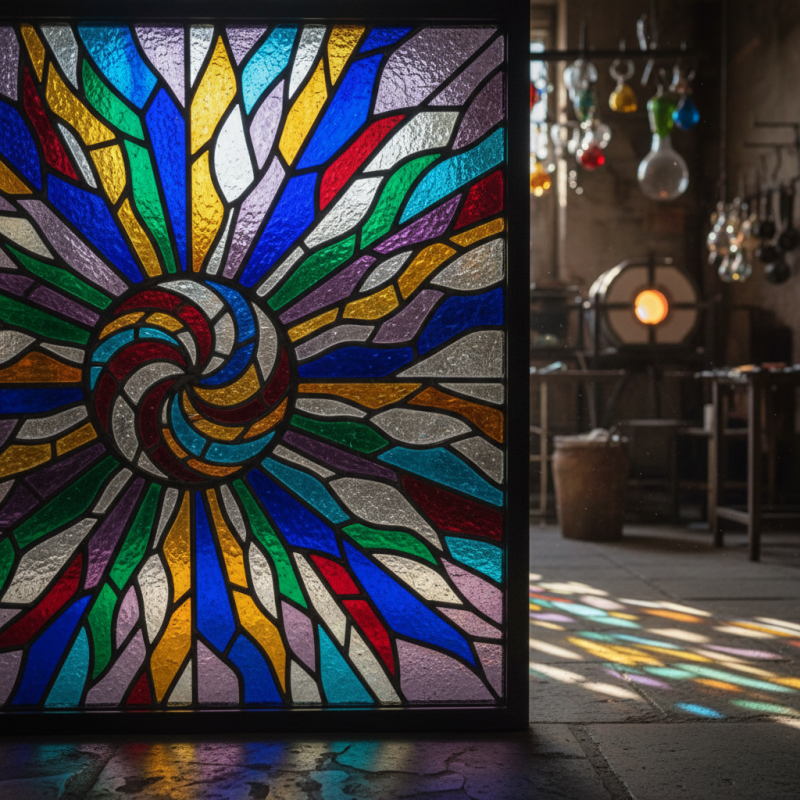
What is Coloured Glass and How is it Sourced Globally?

What is Coloured Glass?

Coloured glass is a fascinating material, known for its vibrant hues and varied textures. It is created by adding metal oxides or colorants during the glass-making process. The results are stunning, from deep blues to bright reds. Each color reflects the skill and creativity of artisans. The craftsmanship involved can be intricate and requires considerable expertise.

Globally, sourcing coloured glass involves a blend of traditional and modern techniques. Artisans in regions like Europe and Asia often use age-old recipes. They strive to maintain cultural heritage while exploring new methods. However, some approaches can lead to inconsistencies. The balance between tradition and innovation remains a challenge.

Additionally, the environmental impact of coloured glass production raises important discussions. Sourcing raw materials must be done responsibly. Over-extraction can harm local ecosystems. This aspect necessitates ongoing reflection and improvement within the industry. Thus, the journey of coloured glass is as much about beauty as it is about sustainability.

Global Sourcing of Coloured Glass by Region (2023)

Types of Coloured Glass and Their Characteristics

Coloured glass comes in various types, each with unique characteristics. One common type is stained glass, often used in cathedrals. This glass features vibrant colors created by adding metal oxides during production. The result is stunning art that filters light beautifully.

Another type is colored container glass, commonly seen in bottles and jars. This glass is usually produced using coloring agents like cobalt or iron. Such colors not only enhance aesthetics but also serve practical purposes, like protecting contents from light.

A more specialized type is opalescent glass, known for its milky appearance and soft glow. Often handmade, this glass is perfect for decorative items. Yet, producing it requires skill. Imperfections may appear, reminding us that even beauty can be flawed. Each piece tells a story of craftsmanship and creativity.

Methods of Producing Coloured Glass

Coloured glass is known for its vibrant hues and unique patterns. Producing coloured glass involves various methods that blend art and science. One popular technique is adding metal oxides during the glass-making process. Cobalt oxide creates deep blues, while iron oxide produces greens. These simple additives result in stunning visual effects.

Another method includes the use of mineral-based pigments. For example, cadmium sulfide can yield bright yellows, while chromium compounds can result in rich reds. The choice of method affects both the final shade and the glass's quality. Each technique brings its challenges, from consistency in color to the stability of the pigments.

Tips: When experimenting with coloured glass, record your ratios carefully. Small changes can lead to different results. Always ensure proper ventilation when working with powdered pigments.

Some artisans prefer layering different colours. This adds depth but can be tricky. Achieving even layering requires practice. Mistakes often lead to unique, unexpected outcomes, yet these can enhance creativity. Embracing imperfections is part of the artistic journey in coloured glass production.

What is Coloured Glass and How is it Sourced Globally? - Methods of Producing Coloured Glass

Method of Production Description Common Applications Global Sources
Dyeing Adding colorants during the glass melting process to produce vibrant colors. Artistic glassware, beads, and decorative items. China, Italy, USA
Glass Blowing A technique where colored glass is inflated into shapes, often using tinted glass rods. Vases, sculptures, and custom pieces. Czech Republic, Germany, Spain
Frit Application Crushed colored glass frit is fused onto another glass surface, producing unique effects. Tile work, mosaics, and stained glass. USA, France, Japan
Layering Two or more layers of different colored glasses are fused together for depth. Decorative panels, architectural glass, and window design. Canada, Brazil, Italy

Global Sources and Suppliers of Coloured Glass

Coloured glass is a versatile material sought after in various industries, from construction to art. Sourcing this glass globally requires attention to detail and quality. Reports indicate that the global market for coloured glass reached approximately $5 billion in 2022, reflecting the increasing demand for innovative designs and sustainable materials.

Key suppliers are located in major glass-producing regions, such as Europe, Asia, and North America. Countries like Germany, China, and the United States lead in production capabilities. For instance, Germany is known for its high-quality artistic glass, while China dominates in mass production. The fluctuating costs of raw materials pose challenges. These include sourcing pigments and additives essential for achieving desired colors.

Some manufacturers employ outdated techniques that may compromise quality. There’s an ongoing need for innovation in production methods. Sustainability is also a growing concern, prompting many suppliers to adopt eco-friendly practices. Embracing advanced recycling methods can improve efficiency and reduce waste. The industry faces pressure to balance tradition with modern demands, which complicates supplier relationships. As a result, there is a continuous push for improvement in sourcing strategies.

Applications and Use Cases of Coloured Glass

Coloured glass finds numerous applications across various industries, showcasing its versatility. Architects frequently use it to enhance aesthetics in buildings. According to a report by Smithers Pira, the global demand for coloured glass is projected to reach 12.2 million tons by 2025. This growth reflects its increasing popularity in both functional and decorative settings.

In interior design, coloured glass offers vibrant solutions for partitions and windows. It can transform a mundane space into a vibrant environment. For example, restaurants and cafes often utilize vibrant hues in their glassware to create inviting atmospheres. Additionally, the automotive sector employs coloured glass in vehicle windows for both style and protection against UV rays. The global market for automotive glass is anticipated to grow at a CAGR of 6.1% from 2023 to 2030, showcasing its critical role in vehicle design.

Challenges exist in sourcing coloured glass sustainably. The raw materials for producing coloured glass can be hard to source. Maintaining a consistent color quality can also be tricky. Moreover, environmental concerns surrounding glass production necessitate innovative recycling methods. Current processes recycle only 25% of post-consumer glass. This presents a significant opportunity for improvement in the coloured glass sector.

FAQS

: What is coloured glass?

: Coloured glass is a material created by adding metal oxides during glass-making. It features vibrant hues.

How is coloured glass made?

Crafting coloured glass involves skilled artisans using traditional and modern techniques. Each color demands expertise.

What industries use coloured glass?

Coloured glass is used in construction, art, and automotive sectors. Its versatility enhances many designs.

What are the environmental concerns?

Raw material sourcing for coloured glass can harm ecosystems. Sustainability needs ongoing reflection within the industry.

How is coloured glass sourced globally?

Sourcing involves major regions like Europe and Asia. Quality and detail are crucial to meet market demands.

What challenges face coloured glass production?

Inconsistent color quality and outdated techniques pose challenges. Innovation in production methods is needed for improvement.

Why is recycling important for coloured glass?

Only 25% of post-consumer glass is recycled. Enhancing recycling methods can significantly reduce waste.

What is the future demand for coloured glass?

The demand for coloured glass projects to reach 12.2 million tons by 2025, reflecting its growing popularity.

How do aesthetics play a role in coloured glass use?

Coloured glass enhances aesthetics in buildings and interiors, transforming environments into vibrant spaces.

Are there any quality issues with suppliers?

Some manufacturers use outdated methods that affect quality. Continuous improvement in sourcing strategies is necessary.

Conclusion

Coloured Glass is a type of glass that has been tinted or dyed to achieve various hues, used widely in art, architecture, and manufacturing. This versatile material comes in several types, each characterized by its distinct attributes, such as transparency, opacity, and the ability to reflect or absorb light. The production methods for Coloured Glass include adding metal oxides and other coloring agents during the melting process, which allows for a broad spectrum of colors and finishes.

Globally, Coloured Glass is sourced from various suppliers, with regions specializing in different types of glass depending on local resources and techniques. Its applications are diverse, ranging from decorative art pieces and stained glass windows to functional items like tableware and architecture components. The unique aesthetic and practical benefits of Coloured Glass make it a sought-after material across multiple industries.


Charlotte

Charlotte

Charlotte is a seasoned marketing professional with a deep understanding of the company's portfolio and a passion for elevating its presence in the market. With a keen eye for detail and a commitment to excellence, she ensures that our professional blog is regularly updated with insightful articles......