What is Float Glass and Why is it Important for Buyers?

Time:2026-05-01 Author:Oliver
0%

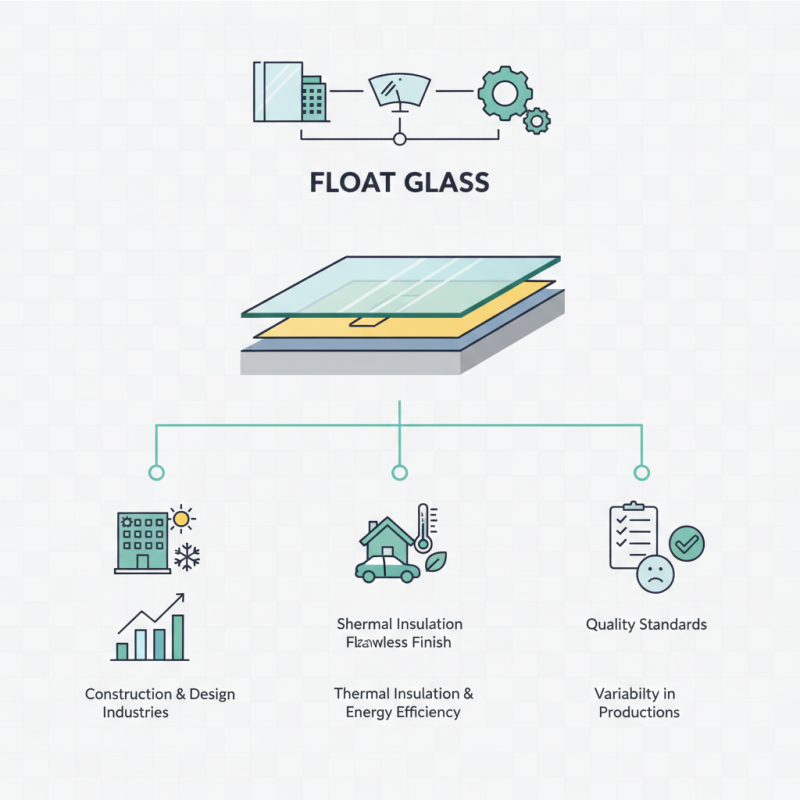
Float Glass plays a critical role in the construction and design industries. This glass type is known for its smooth, flawless finish. According to a report by Smithers Pira, the global float glass market is projected to reach $100 billion by 2025. This growth reflects its increasing application in architectural designs.

The importance of Float Glass lies not only in aesthetics but also in functionality. This material provides excellent thermal insulation and energy efficiency. The demand for energy-efficient buildings drives the need for high-quality Float Glass. Additionally, the automotive sector increasingly utilizes it for windshield manufacturing.

While Float Glass offers numerous advantages, buyers should be aware of quality standards. Variability in production can affect performance. Understanding the specific needs of projects will ensure the best choice. Overall, Float Glass remains essential for buyers looking to enhance their projects and meet modern design standards.
What is Float Glass and Why is it Important for Buyers?

Definition of Float Glass: Understanding its Composition and Properties

Float glass has become a cornerstone material in various industries, pivotal for both construction and manufacturing. It is created by floating molten glass on top of molten tin, resulting in a smooth and uniform surface. This process ensures clarity and strength, making float glass ideal for windows, facades, and furniture. The composition typically includes silica, soda ash, and limestone, each contributing to its durability.

When it comes to properties, float glass stands out due to its excellent optical clarity and flatness. These features make it suitable for applications where aesthetics are crucial. However, it is not impervious. In extreme conditions, float glass can crack or shatter. Various treatments exist to enhance its durability, but they may alter the original qualities. Buyers should weigh these factors carefully.

Understanding float glass’s composition helps buyers make informed choices. Awareness of its strengths and limitations is essential. While the smooth surface appeals to designers and architects, issues can arise in high-impact situations. Buyers should reflect on these aspects to avoid pitfalls.

Importance of Float Glass Composition and Properties

This chart illustrates the composition of float glass and its significance for buyers, showcasing the main components and their respective proportions in float glass production.

The Manufacturing Process of Float Glass: From Raw Materials to Final Product

The manufacturing process of float glass begins with raw materials like silica sand, soda ash, and limestone. These ingredients are carefully weighed and mixed. The mix is then heated in a furnace at temperatures exceeding 1,600 degrees Celsius. This intense heat melts the materials into a molten glass.

Once molten, the glass flows onto a bed of molten tin, creating a flat surface. This step is crucial, as it determines the glass's thickness and smoothness. As the glass cools, it solidifies into a continuous sheet. However, quality control is paramount here. Any impurities or bubbles can compromise the final product.

After cooling, the glass undergoes various quality checks. Inspectors look for defects and measure thickness. The sheets are then cut to size based on specifications. Though automation streamlines this process, human oversight remains essential. Workers must ensure that only flawless sheets proceed to the market. This blend of technology and human expertise underscores the importance of float glass in construction, automotive, and other industries.

Key Applications of Float Glass in Various Industries and Everyday Life

Float glass is a versatile material widely used across various industries. It’s a flat glass product made by floating molten glass on molten tin. This process yields a smooth, even surface and uniform thickness. The global float glass market is projected to grow at a CAGR of about 7.3% from 2022 to 2030, indicating its increasing significance in several sectors.

In construction, float glass serves essential roles in windows, facades, and doors. It provides thermal insulation and enhances energy efficiency. According to industry reports, nearly 50% of global float glass consumption is attributed to building applications. In the automotive sector, float glass ensures safety and aesthetics in vehicle manufacturing. It forms windshields and windows, contributing to vehicle strength and passenger protection. Approximately 33% of the float glass market is occupied by automotive uses.

Home décor also benefits from float glass. It finds use in mirrors, tabletops, and decorative items. The demand is rising as consumers seek stylish and functional home interiors. However, the manufacturing process can impact the environment. Factors like energy consumption and emissions need addressing for sustainability. Balancing production needs with eco-friendly practices remains an ongoing challenge for the industry.

Factors to Consider When Buying Float Glass: Quality, Thickness, and Cost

When purchasing float glass, several key factors must be considered to ensure quality and suitability. Quality is paramount. Buyers should inspect the glass for clarity and defects. Bubbles or imperfections can affect performance and aesthetics. A reputable supplier often provides certifications that guarantee standards are met. It’s essential to know the glass's thickness as well. Thicker glass generally offers better durability and insulation, making it ideal for certain applications.

Cost is another crucial factor in the buying process. Prices can vary significantly based on quality and thickness. Buyers should balance their budget with their specific needs. Higher quality often comes with a higher price tag. However, the investment pays off in longevity and reduced replacements. It's helpful to compare options without rushing.

Many buyers might overlook some minor details. Even small variations in thickness can impact installation and functionality. Reflecting on long-term needs is advantageous. Consider both immediate and future use. These reflections can lead to more informed purchasing decisions, ensuring the chosen float glass meets expectations efficiently.

The Importance of Float Glass in Energy Efficiency and Sustainability Initiatives

Float glass is a critical component in energy efficiency and sustainability efforts. Its production involves a method that allows for uniform thickness and clarity, making it ideal for various applications. This characteristic ensures that float glass can enhance natural light in buildings, reducing the reliance on artificial lighting. When windows are made from quality float glass, they also provide better insulation. This leads to lower energy consumption, making homes more environmentally friendly.

Sustainability is a key concern in today’s construction practices. Float glass can be recycled, minimizing waste. However, not all float glass is created equal. The energy consumed during its production can vary. It’s essential to choose glass that meets strict energy standards. While float glass is effective in providing insulation, its impact largely depends on how well it is integrated into building design. Improper installation can lead to energy inefficiencies, which contradicts its environmental benefits.

Considering float glass in construction projects reflects a commitment to sustainability. It aligns with a broader vision of reducing carbon footprints. Buyers should evaluate their options carefully. Engaging with experts can aid in making informed decisions. It’s vital to focus on quality and energy ratings when selecting float glass. This approach not only supports environmental goals but also results in cost savings over time.

What is Float Glass and Why is it Important for Buyers? - The Importance of Float Glass in Energy Efficiency and Sustainability Initiatives

Property/Dimension Float Glass Characteristics Impact on Energy Efficiency
Thickness Typically ranges from 2mm to 20mm Thicker glass provides better insulation
Transmittance High optical clarity for light transmittance Reduces the need for artificial lighting
Thermal Performance Good thermal insulation properties Improves energy savings in heating and cooling
Chemical Resistance Resists alkalis and acids Durability leads to longer lifespan and less waste
Recyclability Easily recyclable after use Supports sustainability initiatives

FAQS

: What is float glass?

: Float glass is made by floating molten glass on molten tin, resulting in a smooth surface.

What are the main components of float glass?

It typically includes silica, soda ash, and limestone, which enhance durability.

Why is optical clarity important for float glass?

Excellent optical clarity improves aesthetics, making float glass ideal for windows and facades.

Can float glass break under extreme conditions?

Yes, float glass can crack or shatter in harsh environments, so consider this when purchasing.

What should I check when buying float glass?

Inspect for clarity and defects; bubbles or imperfections can impact performance.

How does thickness affect float glass?

Thicker glass generally offers better durability and insulation, ideal for specific applications.

Is cost a crucial factor when buying float glass?

Yes, balance your budget with quality needs; higher quality glass often costs more, but lasts longer.

How does float glass contribute to energy efficiency?

It enhances natural light, reducing artificial lighting needs and lowering energy consumption.

Can float glass be recycled?

Yes, float glass can be recycled, helping to minimize waste in construction practices.

What should I consider for sustainability in float glass?

Evaluate energy standards and integration into building design to maximize environmental benefits.

Conclusion

Float glass is a type of flat glass known for its unique manufacturing process, where molten glass is floated on top of molten tin to create a smooth, uniform surface. This process not only defines its composition but also contributes to its properties, making float glass essential in a variety of applications. Its high clarity and strength make it a popular choice for windows, facades, and decorative items in both residential and commercial settings.

When considering the purchase of float glass, buyers should evaluate factors such as quality, thickness, and cost to ensure they meet their specific needs. Moreover, float glass plays a significant role in energy efficiency and sustainability initiatives. Its ability to insulate and reduce energy consumption aligns with modern environmental goals, making it a critical material in today’s construction and manufacturing industries.


Oliver

Oliver

Oliver is a seasoned marketing professional with a wealth of expertise in driving brand awareness and engagement. With a deep understanding of our company's product offerings, he consistently delivers high-quality content that enriches our professional blog. His insights not only shed light on......