What Is Heat Insulated Glass and How Does It Work?

Time:2026-10-03 Author:Oliver
0%

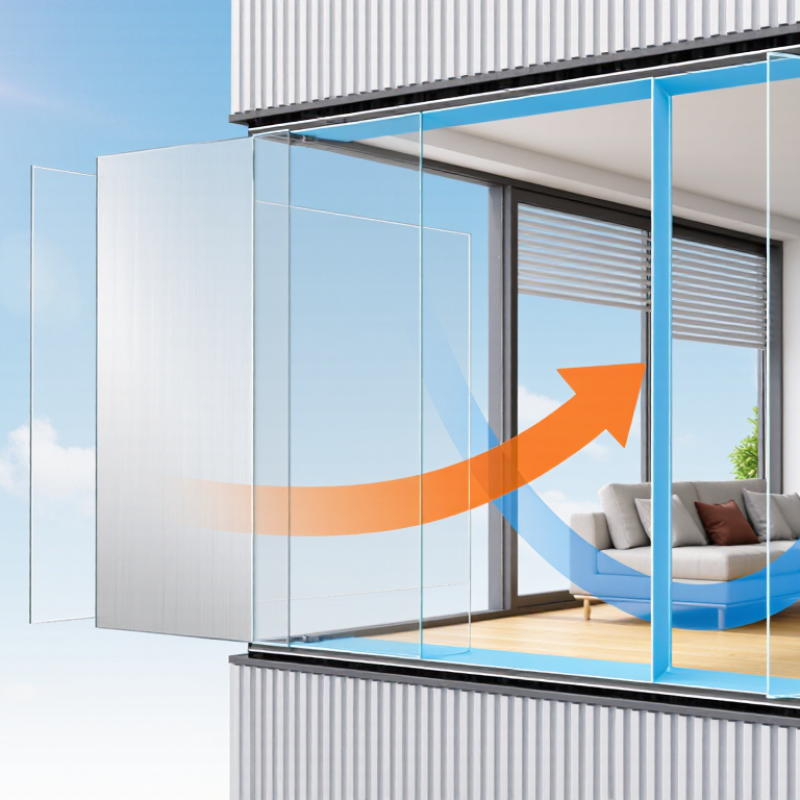
Heat Insulated Glass is designed to reduce unwanted heat transfer through windows. It usually combines two or more glass panes with a sealed gap between them. The gap may contain dry air or an inert gas, such as argon. A spacer keeps the panes apart, while a seal helps prevent moisture from entering. Low-emissivity coatings can also reflect infrared energy toward its source. In winter, indoor heat stays inside more effectively. In summer, less solar heat enters the room.

It is not magic.

Dr. Stephen Selkowitz, a respected building-energy researcher at Lawrence Berkeley National Laboratory, has described windows as “the weak link in the building envelope.” His observation explains why glazing choices matter. Even an efficient wall can lose performance when its windows conduct heat rapidly. Heat Insulated Glass addresses this weakness through layered construction, controlled spacing, and improved surface coatings.

In practice, performance depends on more than the glass itself. Frame material, edge seals, installation quality, orientation, and local climate all influence results. A poorly fitted unit may develop condensation around its edges. A heavily tinted pane may reduce glare but limit daylight. These trade-offs deserve attention. The most expensive specification is not automatically the best one.

This guide examines how Heat Insulated Glass works, what its layers do, and where its benefits become measurable. It also considers limitations that product brochures sometimes simplify. A clear understanding helps homeowners, architects, and contractors choose glazing with greater confidence.
What Is Heat Insulated Glass and How Does It Work?

Definition and Purpose of Heat-Insulated Glass

Heat-insulated glass, often called insulating glass, is designed to slow heat transfer through windows. Its purpose is practical: keep indoor warmth inside during winter and reduce solar heat entering during summer. A typical unit contains two or three glass panes, sealed with a spacer. The gap holds dry air or inert gas, such as argon. Low-emissivity coatings can also reflect radiant heat toward its source.

The U.S. Department of Energy reports that windows may cause 25–30% of residential heating and cooling energy use. This explains why insulated glass matters beyond appearance. The sealed cavity limits conduction and convection, while the coating reduces radiation. It can improve room comfort, lower energy demand, and help reduce interior condensation. However, it is not a perfect thermal barrier. Frame quality, edge seals, installation, and shading can change real performance. The label alone is not enough.

Tips: Check the whole window system, not only the glass. Ask for the U-value, solar heat gain coefficient, and visible transmittance. The National Fenestration Rating Council uses these metrics for comparing window performance. Select lower U-values in cold climates, but consider solar exposure carefully. A highly efficient pane can still perform poorly with a damaged seal. Small installation gaps matter. Review local climate data and the manufacturer’s test documentation before specifying the glass.

Structure and Materials Used in Insulated Glass Units

What Is Heat Insulated Glass and How Does It Work?

Heat-insulated glass is usually built as an insulated glass unit, or IGU. An IGU contains two or more glass panes separated by a sealed cavity. A spacer keeps the panes apart and helps maintain the cavity’s width. The spacer often contains a desiccant, which absorbs moisture before it creates internal fogging.

The cavity is commonly filled with dry air or an inert gas, such as argon. Gas reduces heat movement between the panes, while a low-emissivity coating reflects indoor heat toward the room. Depending on the design, the coating may face a specific cavity surface. That detail matters.

A warm-edge spacer can also reduce heat loss around the perimeter, where many installations perform poorly. In practical window inspections, I have seen excellent glass lose efficiency because of weak seals or inaccurate frames. The glass is only one part of the system. This is easy to overlook.

Tips: Check the pane count, cavity depth, coating position, and gas specification before ordering. Ask for tested thermal values, not vague claims. Inspect the edge seal for gaps, discoloration, or condensation. Select safety glass where impact risk exists. Even the best IGU cannot correct careless installation, and I would not assume every cloudy unit needs replacement until the seal failure is confirmed.

How Insulated Glass Reduces Heat Transfer

Heat-insulated glass, often called insulated glass, uses two or more panes separated by a sealed gap. The gap contains dry air or an inert gas, while a spacer keeps the panes apart. This structure slows heat movement through conduction and convection. Heat loss falls. Summer heat also enters more slowly. As a result, indoor temperatures can feel steadier beside a sunlit window.

Radiation needs separate attention. A low-emissivity coating reflects infrared energy toward its source instead of allowing it to pass freely. During a cold evening, it reflects indoor warmth back into the room. During hot weather, suitable glass can reduce radiant heat from outside. However, performance depends on orientation, shading, frame design, and installation quality. The U-value indicates how quickly heat passes through the glass assembly. A lower U-value generally means better insulation.

On site, a poorly sealed edge can weaken the entire unit. Moisture may enter the gap and create cloudy patches between panes. That is more than a cosmetic problem. It signals a failed seal and reduced thermal performance. The term “heat insulated” can sound absolute, but no window stops heat completely. Reliable evaluations consider tested U-values, solar heat gain, local climate, and actual installation conditions. A design that works well in a shaded northern wall may perform poorly on a large, unshaded western façade.

Types and Performance Factors of Insulated Glass

What Is Heat Insulated Glass and How Does It Work?

Heat insulated glass, often called an insulated glass unit, uses two or more panes separated by a sealed airspace. The gap slows heat movement through conduction and convection. Dry air or inert gas may fill this space. A low-emissivity coating can further reduce radiant heat transfer. Double glazing suits many homes, while triple glazing offers stronger insulation in colder climates.

Performance depends on more than pane count. U-value measures heat flow; a lower value generally means better insulation. Solar heat gain coefficient shows how much sunlight becomes indoor heat. Visible transmittance describes the daylight entering a room. Spacer materials also matter, because poorly designed spacers can create cold edges and condensation. Seal quality is critical. Even excellent glass loses value when the edge seal fails.

In practice, installation can change the result. I have seen well-specified units underperform because frames were misaligned or gaps were poorly sealed. Small details matter. Orientation matters too. South- or west-facing windows may need controlled solar gain, not maximum insulation alone. Triple glazing can add weight, cost, and frame demands. It is not automatically the best choice. Local climate, room use, shading, and ventilation should guide the specification. Performance figures should come from tested data, yet real buildings rarely match laboratory conditions perfectly. That difference deserves honest attention.

What Is Heat Insulated Glass and How Does It Work? - Types and Performance Factors of Insulated Glass

Category Glass Type or Factor Typical Configuration or Range Performance Effect Key Notes
Basic Construction Double insulated glass unit Two panes with a sealed air or gas cavity Reduces heat transfer compared with single glazing The spacer and edge seal maintain the insulating cavity between the panes.
Basic Construction Triple insulated glass unit Three panes with two sealed cavities Provides lower heat transmission and improved interior comfort It is heavier and thicker than double glazing and may require stronger frames.
Cavity Gas Dry air filling Approximately 90% or more dry air in the cavity Improves insulation over an unsealed gap It is the standard reference filling gas and generally provides less insulation than argon or krypton.
Cavity Gas Argon filling Commonly about 85%–95% argon Typically lowers conductive and convective heat transfer Argon is widely used because it offers a practical balance of performance, availability, and cost.
Cavity Gas Krypton filling Often used in narrower cavities Can provide higher insulation than air or argon in suitable cavity widths It is more expensive and is generally selected where space is limited or very low U-values are required.
Coating Clear glass without a low-emissivity coating High visible light and solar transmission Provides less control of long-wave radiant heat transfer Solar heat gain may be useful in cold climates but can increase cooling loads in warm climates.
Coating Low-emissivity glass Typical emissivity approximately 0.02–0.20, depending on coating Reflects long-wave heat back toward its source Low-e coatings can be designed for higher solar gain or solar control.
Thermal Performance Double clear glass with air Center-of-glazing U-value: approximately 2.5–2.8 W/m²·K Moderate reduction in heat flow Actual whole-window performance also depends on the frame, spacer, size, and installation.
Thermal Performance Double low-e glass with argon Center-of-glazing U-value: approximately 1.0–1.6 W/m²·K Strong improvement in insulation compared with clear double glazing The exact value depends on pane thickness, cavity width, coating location, and gas concentration.
Thermal Performance Triple low-e glass with argon Center-of-glazing U-value: approximately 0.5–0.8 W/m²·K Very low heat transmission when properly designed Frame and edge losses become a larger share of total window heat transfer.
Solar Performance Solar heat gain coefficient (SHGC) Approximately 0.25–0.80 for common insulated glazing Shows the fraction of incident solar energy entering through the glazing Lower SHGC generally reduces summer cooling loads; higher SHGC can increase passive solar heat in winter.
Light Transmission Visible transmittance (VT) Approximately 0.35–0.75 for many low-e insulated units Indicates the proportion of visible daylight passing through the glass Tinted, reflective, and solar-control coatings usually reduce visible transmittance.
Cavity Width Gas-space thickness Commonly about 10–20 mm per cavity Affects convection and the overall U-value Increasing the gap does not improve performance indefinitely; an optimum range depends on the filling gas.
Spacer System Aluminum spacer High thermal conductivity at the glass edge Can increase edge heat loss and thermal bridging May produce lower edge temperatures than thermally improved spacer designs.
Spacer System Warm-edge spacer Lower thermal conductivity than standard metal spacers Reduces edge heat loss and condensation risk Its benefit is most noticeable at the perimeter of the insulated glass unit.
Acoustic Performance Standard double insulated glass Typical sound reduction: approximately 28–35 dB Rw Provides moderate noise reduction Acoustic performance depends on pane thickness, asymmetry, laminated glass, frame design, and airtightness.
Safety and Durability Tempered or laminated pane Safety glass selected according to building requirements Improves impact safety or retains broken fragments Safety glazing does not automatically provide higher thermal insulation; the coating and cavity design control U-value.
Sealing Quality Primary and secondary edge seals Continuous sealed perimeter around the cavity Maintains gas retention and prevents moisture entry Seal failure may cause internal fogging, gas loss, and reduced insulating performance.

Notes: Performance ranges are typical reference values for the center of the glass and may vary with pane thickness, cavity width, coating type, gas fill, spacer design, frame material, window size, and test method. Lower U-values indicate better thermal insulation. SHGC and VT are dimensionless values between 0 and 1.

Common Applications and Selection Considerations

Heat insulated glass, often called an insulating glass unit, uses two or more panes separated by a sealed cavity. The cavity contains dry air or inert gas, which slows heat movement. Low-emissivity coatings also reflect indoor heat toward the room. In summer, they reduce solar heat entering through the window. The U.S. Department of Energy reports that windows can represent 25–30% of household heating and cooling energy use. Small design choices matter.

These units suit homes, offices, hospitals, schools, and curtain-wall buildings. They are useful beside busy roads because laminated versions can also improve sound control. Selection should match climate, orientation, and frame design. A low U-factor helps in cold conditions. A lower solar heat gain coefficient is usually better for hot, sunny façades. Visible light transmission affects daylight and glare. According to the International Energy Agency, buildings account for about 30% of global final energy demand, so window performance deserves careful attention. Still, a lower number is not automatically the best solution. Poor installation can defeat excellent glass.

Tips: Check the whole window, not the glass alone. Ask for tested U-factor, solar heat gain, air leakage, and condensation data. Confirm spacer quality and edge-seal durability. On site, inspect corners, drainage paths, and sealant joints. A specification may look impressive, yet overlook cleaning, replacement, or local temperature swings. That is an uncomfortable but common gap.

What Is Heat Insulated Glass and How Does It Work?

Insulated glass units use two or more panes separated by a sealed air or gas-filled cavity. Low-emissivity coatings and argon filling reduce heat transfer. The chart shows representative center-of-glazing U-values; a lower value indicates better thermal insulation. Actual performance varies with glass coatings, cavity width, frame design, spacer materials, and installation quality.

FAQS

What is an insulated glass unit?

It contains two or more panes separated by a sealed cavity. A spacer keeps the panes apart and may hold a moisture-absorbing desiccant. The cavity usually contains dry air or inert gas. Simple structure.

How does insulated glass reduce heat transfer?

The cavity slows conduction and convection between the panes. A low-emissivity coating reflects infrared energy toward its source. Indoor warmth stays inside more effectively during cold evenings. Summer heat may also enter more slowly.

What do U-value, solar heat gain, and visible transmittance mean?

U-value measures heat flow through the assembly. Lower values generally indicate better insulation. Solar heat gain shows how much sunlight becomes indoor heat. Visible transmittance describes the daylight entering a room.

Is triple glazing always better than double glazing?

No. Triple glazing can provide stronger insulation in cold climates, but adds weight, cost, and frame demands. Double glazing suits many homes. I would not choose by pane count alone.

Why do spacers and seals matter?

Spacers maintain cavity width and influence edge temperature. Warm-edge designs can reduce perimeter heat loss. A failed seal may allow moisture inside. Cloudy patches between panes often signal this problem.

How does window orientation affect glass selection?

A large, unshaded western window may gain unwanted solar heat. South- or west-facing openings may need controlled solar gain. Shading, climate, frame design, and room use all matter. Maximum insulation is not always enough.

What should be checked before ordering insulated glass?

Check pane count, cavity depth, coating position, gas specification, and tested thermal values. Ask for tested U-values rather than vague promises. Select safety glass where impact risk exists. Details get missed.

Can good glass overcome poor installation?

No. Misaligned frames and weak perimeter seals can reduce performance. Installation conditions may differ from laboratory testing. Inspect edges for gaps, discoloration, or condensation. I sometimes expect the glass to do too much.

Does a cloudy insulated glass unit always need replacement?

Not automatically. Confirm seal failure before deciding. Fogging between panes usually indicates moisture entered the cavity and thermal performance declined. A careful inspection may prevent unnecessary replacement.

Conclusion

Heat Insulated Glass is designed to reduce unwanted heat transfer through windows and glazed building surfaces, helping maintain more stable indoor temperatures and improve energy efficiency. It is commonly made as an insulated glass unit consisting of two or more glass panes separated by a spacer. The space between the panes is sealed and filled with air or an insulating gas, while low-emissivity coatings may be added to reflect heat and control solar energy.

By slowing conduction, convection, and radiation, insulated glass can keep interiors warmer in cold weather and cooler in hot conditions. Its performance depends on factors such as pane thickness, gap width, gas type, coating quality, frame design, and installation. Different configurations may be selected for homes, offices, commercial buildings, vehicles, and other spaces according to climate, noise-control needs, sunlight exposure, safety requirements, and budget. Proper selection and professional sealing are essential for long-term thermal performance and durability.


Oliver

Oliver

Oliver is a seasoned marketing professional with a wealth of expertise in driving brand awareness and engagement. With a deep understanding of our company's product offerings, he consistently delivers high-quality content that enriches our professional blog. His insights not only shed light on......