What is Insulated Laminated Glass and Its Benefits for Buyers?

Time:2026-06-22 Author:Charlotte
0%

Insulated Laminated Glass is becoming increasingly popular among homeowners and builders. This type of glass offers numerous benefits that enhance both aesthetic appeal and functionality. It consists of multiple layers of glass that are bonded together, providing superior insulation. This unique construction helps regulate indoor temperatures, making living spaces more comfortable.

Buyers appreciate the energy efficiency that Insulated Laminated Glass provides. By reducing heat loss during winter and keeping interiors cool in summer, it leads to lower energy bills. Moreover, this glass enhances sound insulation, making homes quieter. It's a practical choice for those living in noisy urban environments.

However, not all Insulated Laminated Glass is created equal. Some products may not provide the expected longevity or durability. Buyers should consider the manufacturer's reputation and warranty. It’s important to research options thoroughly to ensure you're making an informed decision. Choosing quality over cost can lead to greater satisfaction in the long run.
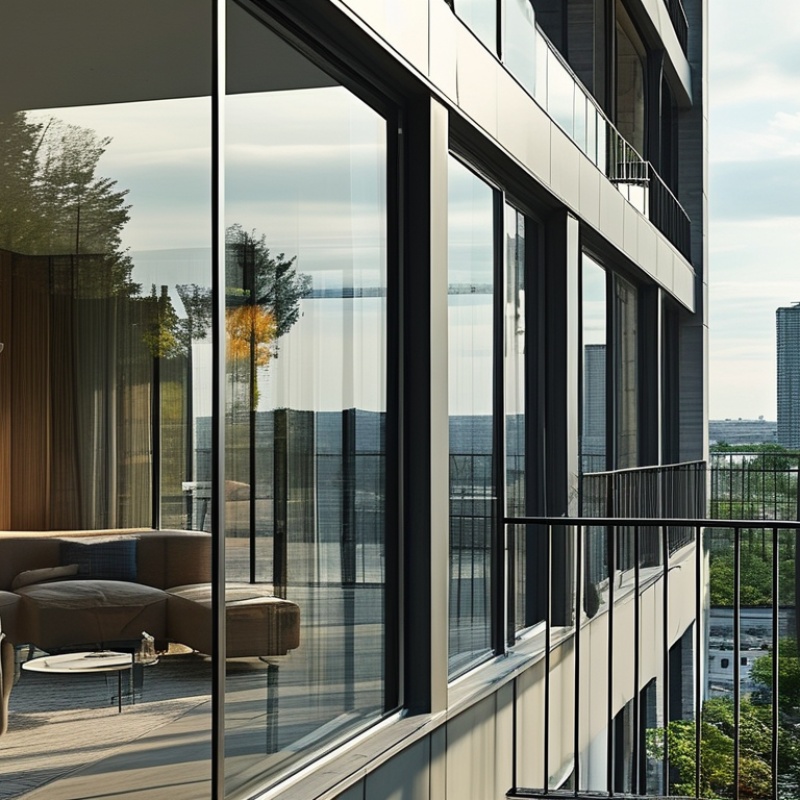
What is Insulated Laminated Glass and Its Benefits for Buyers?

What is Insulated Laminated Glass?

Insulated laminated glass is a specialized glass product designed for improved energy efficiency and safety. This type of glass consists of two or more layers of glass separated by a sealed airspace. The space allows for better thermal insulation. According to the National Glass Association, insulated laminated glass can reduce energy costs by up to 30% when compared to standard glass. This makes it a popular choice among both residential and commercial buyers.

The safety features of insulated laminated glass are notable. The combination of layers provides added strength against impact. It is also effective in reducing noise pollution. Reports indicate that laminated glass can reduce sound transmission by up to 32 decibels, making it ideal for urban environments. Despite these benefits, buyers should consider the initial installation costs and potential challenges with weight. Some structures may require additional support when using this heavier glass type.

Furthermore, the environmental impact of producing insulated laminated glass is sometimes overlooked. While it provides energy savings over its lifetime, the production process can be resource-intensive. The glass is often produced with materials that require significant energy to manufacture. Thus, buyers should weigh both the long-term benefits and the upfront environmental considerations before making a decision.

Benefits of Insulated Laminated Glass

Key Components of Insulated Laminated Glass

Insulated laminated glass consists of multiple glass layers, bonded together with a special interlayer. This structure enhances durability and insulation. According to a recent industry report, insulated laminated glass can reduce noise by 30% and improve energy efficiency by up to 40%. These advantages are significant for both residential and commercial buildings.


The key components include two sheets of glass, an interlayer, and air or gas-filled spaces. The interlayer often consists of polyvinyl butyral (PVB) or ethylene-vinyl acetate (EVA). These materials provide safety by holding shattered glass in place. This reduces the risk of injury during accidents. Additionally, the gas between the glass sheets adds thermal insulation, making spaces more comfortable and energy-efficient.


While the benefits are clear, there are considerations. Installation can be complex, requiring skilled professionals. The upfront cost may also be higher compared to regular glass. Buyers need to weigh these factors carefully. Choosing the right type can lead to long-term savings and increased property value. However, it's crucial to ensure proper maintenance and address potential seal failures over time.

Benefits of Insulated Laminated Glass for Homeowners

Insulated laminated glass offers numerous benefits for homeowners. Its unique structure enhances thermal insulation, reducing energy consumption. This means lower heating and cooling costs over time. Homeowners can enjoy a more stable indoor climate, keeping their spaces comfortable year-round. The glass also provides sound insulation, which can be especially beneficial in noisy neighborhoods.

Another significant advantage is safety. Insulated laminated glass is tougher than regular glass. It resists shattering, making it a smart choice for families with children or pets. This material also filters harmful UV rays, protecting furnishings and carpets from fading. Many homeowners appreciate the added security it offers against break-ins.

However, some may find the initial investment higher than traditional glass options. The long-term savings on energy bills might offset this concern. Homeowners should weigh the upfront costs against the benefits. Considering these factors may help in making informed decisions. The blend of safety, energy efficiency, and noise reduction makes insulated laminated glass a worthy consideration for many homes.

Applications of Insulated Laminated Glass in Modern Construction

Insulated laminated glass has become essential in modern construction. Its applications are diverse, enhancing both aesthetics and functionality. Builders use this type of glass in windows, curtain walls, and skylights. The combination of an insulating layer and laminated structure provides improved energy efficiency. This means less energy is needed for heating and cooling.

The glass also enhances safety and security. In case of breakage, the laminated layer keeps shards in place, reducing injury risks. Architects appreciate its versatility. It is available in various colors and tints, allowing creative freedom in design. However, the initial cost may be higher than traditional glass. Long-term savings on energy bills can offset this investment.

Projects incorporating insulated laminated glass often see enhanced market value. Its soundproofing properties contribute to a quieter indoor environment. Construction teams must consider local regulations when using this glass. Some regions may have specific guidelines for installation. While the benefits are clear, challenges remain in the adoption process. Ensuring proper installation is vital to reap its full advantages.

What is Insulated Laminated Glass and Its Benefits for Buyers? - Applications of Insulated Laminated Glass in Modern Construction

Aspect Description Benefits
Definition A type of glass that combines insulation and laminate for enhanced performance. Improved thermal efficiency.
Materials Used Typically includes multiple layers of glass and a polymer interlayer. Increased strength and durability.
Applications Used in windows, facades, and curtain walls in buildings. Versatile design options.
Energy Efficiency Reduces heat loss and improves insulation. Cost savings on heating and cooling.
Safety Features Offers resistance to impact and breaking. Enhanced security for buildings.
Sound Insulation Provides excellent sound attenuation. Improved indoor comfort.

Cost Considerations for Buying Insulated Laminated Glass

When considering insulated laminated glass, cost is a key factor for buyers. The initial investment can range from $25 to $50 per square foot, depending on thickness and customization options. Research by the Glass Association suggests that these costs reflect the advanced technology and materials used in production. Though prices may seem high, the long-term benefits often justify the expense. Over time, energy savings from reduced heating and cooling costs can offset initial investments significantly.

Tips for buyers: Consider local climate when choosing insulation levels. Areas with extreme temperatures may require thicker laminated glass to maximize efficiency. Check for energy performance ratings, which can guide your purchasing decisions.

Additionally, the installation costs should not be overlooked. Professional installation can add 30-40% to your budget, but proper installation is crucial. Poor installation can lead to decreased energy efficiency and may even necessitate future repairs. It's essential to balance upfront costs with potential long-term savings. Determining the right specifications for your needs may require consultation with an experienced contractor to avoid costly mistakes.

FAQS

: What is insulated laminated glass?

: It is a specialized glass designed for energy efficiency and safety. It has layers separated by airspace.

How does insulated laminated glass improve energy efficiency?

It can reduce energy costs by up to 30% compared to standard glass through better thermal insulation.

What are the safety features of insulated laminated glass?

The layered design provides strength against impact and holds shattered glass to reduce injury risk.

Can insulated laminated glass reduce noise?

Yes, it can decrease sound transmission by up to 32 decibels, making it suited for urban environments.

What are the disadvantages of using insulated laminated glass?

Initial installation costs can be high. The weight may require additional support in some structures.

What materials are used in insulated laminated glass?

It consists of glass sheets, an interlayer like PVB or EVA, and air or gas-filled spaces for insulation.

Is the production of insulated laminated glass environmentally friendly?

The production process can be resource-intensive, despite its energy savings during use.

How does insulated laminated glass enhance home safety?

It resists shattering, making it safer for homes with children or pets. It also improves security.

What should homeowners consider before choosing insulated laminated glass?

They should weigh upfront costs against long-term savings and ensure proper maintenance to avoid seal failures.

Does insulated laminated glass filter UV rays?

Yes, it filters harmful UV rays, helping to protect home furnishings from fading over time.

Conclusion

Insulated Laminated Glass is a specialized glazing product designed to provide enhanced thermal insulation and safety features for buildings. It comprises layers of glass that are bonded together with a polymer interlayer, creating a durable and energy-efficient solution. The key components include the outer glass layers, the insulating air space, and the interlayer, which collectively contribute to its strength and insulation properties.

Homeowners can benefit significantly from Insulated Laminated Glass, as it reduces energy costs by minimizing heat transfer and provides soundproofing qualities, making interiors quieter. Additionally, its applications in modern construction range from residential windows to commercial facades, allowing for versatile use in various architectural designs. When considering cost, buyers should weigh the long-term energy savings against the initial investment, recognizing that the benefits of Insulated Laminated Glass often outweigh the costs over time.


Charlotte

Charlotte

Charlotte is a seasoned marketing professional with a deep understanding of the company's portfolio and a passion for elevating its presence in the market. With a keen eye for detail and a commitment to excellence, she ensures that our professional blog is regularly updated with insightful articles......