What is Laminated Glass and Why is it Ideal for Your Projects?

Time:2026-06-28 Author:Oliver
0%

Laminated Glass is increasingly popular in construction and design. This material consists of multiple layers of glass held together by a special interlayer. This structure enhances strength and safety. Laminated Glass can withstand impact better than regular glass, making it ideal for various applications.

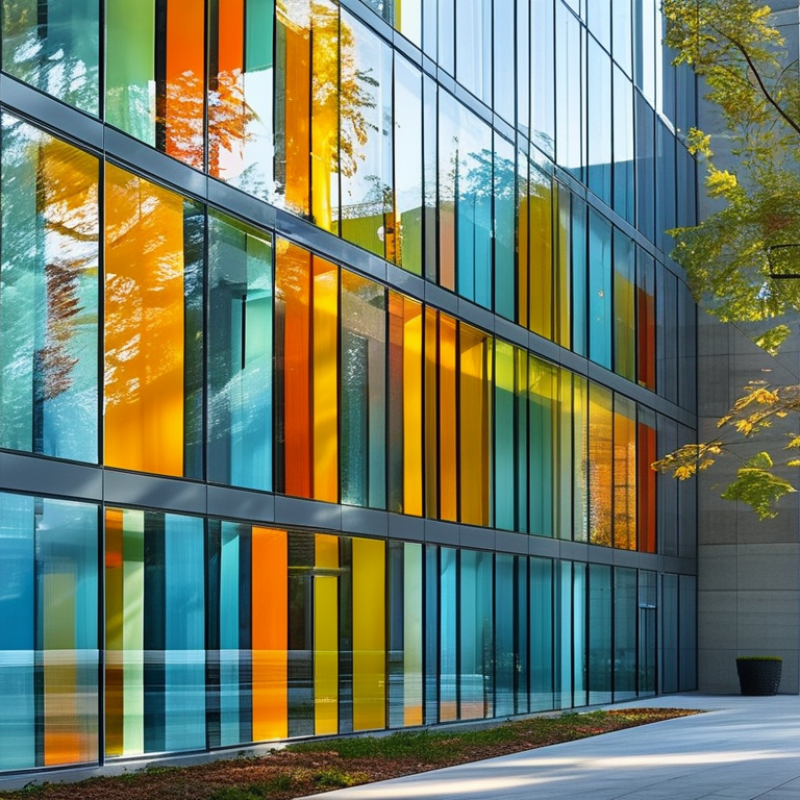
The aesthetic appeal of Laminated Glass is another advantage. It can be tinted or printed for added visual interest. Whether in residential or commercial settings, it offers versatility. Many professionals choose Laminated Glass not just for its durability but also for its style.

Despite its many benefits, Laminated Glass requires careful installation. Errors can lead to inefficiencies and safety issues. It's essential to work with skilled architects and builders. They can navigate the complexities of using Laminated Glass effectively. Overall, when properly implemented, Laminated Glass showcases both beauty and strength in architectural projects.
What is Laminated Glass and Why is it Ideal for Your Projects?

Definition and Composition of Laminated Glass

Laminated glass is a type of safety glass composed of two or more layers of glass with a plastic interlayer between them. This interlayer often consists of polyvinyl butyral (PVB) or ethylene-vinyl acetate (EVA). This construction method not only enhances strength but also provides sound insulation. When broken, the glass fragments adhere to the interlayer, minimizing the risk of injury.

Many architects and builders prefer laminated glass for its durability. It offers significant resistance to impact and weather conditions. This makes it suitable for areas prone to heavy winds or flying debris. Additionally, laminated glass provides UV protection, blocking up to 99% of harmful rays. This feature helps preserve furniture and interiors from fading.

Tips for using laminated glass: Ensure you select the right thickness based on your project's needs. A thicker interlayer can provide better sound insulation but may reduce light transmission. Consider your location's specific weather conditions when choosing laminated glass, as certain formulations can enhance performance in extreme environments. Remember that while laminated glass is robust, it's essential to plan for potential scratches or chips. Regular maintenance can help keep it looking pristine.

Advantages of Laminated Glass in Construction and Design

Laminated glass offers exceptional benefits in construction and design. Its layered structure, consisting of two or more glass panes, enhances strength and durability. This makes it ideal for high-traffic areas or buildings that require extra security. Because of this quality, it can withstand impacts better than standard glass.

Another significant advantage is the sound dampening effect, which minimizes noise pollution. This is particularly beneficial in urban environments where noise can be disruptive. Additionally, laminated glass provides UV protection, shielding interiors from harmful rays. Designers appreciate its versatility, allowing for various aesthetics.

However, using laminated glass requires careful consideration. Not all projects might benefit equally from its costs. Depending on the installation, it might be heavier than traditional glass. Careful planning is essential to address any structural implications. It's important to evaluate these factors during the design phase for optimal results.

Common Applications of Laminated Glass in Various Industries

Laminated glass is increasingly favored across diverse sectors due to its unique properties. Common applications include architectural facades, safety barriers, and automobile windshields. The global laminated glass market reached approximately $35 billion in 2022 and is projected to grow steadily. This growth reflects the rising demand for enhanced safety and security features in construction and automotive industries.

In architecture, laminated glass offers both aesthetic appeal and practical benefits. It minimizes noise pollution and provides UV protection. The use of this material in building facades can enhance energy efficiency. In safety applications, such as railings and overhead glazing, laminated glass significantly reduces the risk of injury. According to industry reports, buildings using laminated glass can reduce sound transmission by up to 50%.

Tip: When choosing laminated glass, consider specific project needs, such as thickness and interlayers, which can affect performance.

In automotive applications, this glass type is vital. It ensures safety by preventing shattering in accidents. Notably, vehicles equipped with laminated windshields have shown a 30% reduction in injury rates during collisions. However, proper installation is crucial to achieve safety benefits.

Tip: Consult with industry experts to understand the best practices for installation and maintenance.

Despite its advantages, laminated glass can be more costly than regular glass. This is a common trade-off that project managers must evaluate. Balancing budget constraints with safety and performance requirements is essential for optimal outcomes.

Laminated Glass Applications Across Various Industries

Safety Features and Performance Benefits of Laminated Glass

Laminated glass is a crucial material in modern construction. It consists of layers of glass and plastic interlayer, providing enhanced safety features. One of the standout benefits is its ability to withstand impact. Research indicates that laminated glass can reduce injury risks by up to 90% during accidents. This safety feature is vital for environments that demand high durability, like schools and commercial spaces.


Moreover, laminated glass offers exceptional sound insulation. Studies show it can block up to 90% of noise between rooms. This quality makes it ideal for buildings in urban areas. Additionally, laminated glass contributes to energy efficiency. With proper installation, it can significantly reduce heating and cooling costs. However, it's essential to consider that not all laminated glass products perform equally. A careful selection process is necessary to ensure maximum benefits.


Transparency in manufacturing processes is another area to explore. Some manufacturers may not disclose the full specifications of their products. Understanding these nuances helps in making informed choices. Additionally, while laminated glass is generally resistant to shattering, it is not entirely impervious to damage. Regular maintenance and inspections can mitigate potential risks and prolong service life.

Installation Considerations and Maintenance for Laminated Glass

When considering laminated glass for your projects, installation and maintenance are crucial. Laminated glass consists of multiple layers of glass with a polyvinyl butyral (PVB) interlayer. This design offers enhanced safety and sound insulation. However, improper installation can compromise these benefits. Ensure your installation team is experienced and familiar with industry standards. According to the Glass Association, proper sealing techniques during installation can reduce moisture infiltration by up to 60%, maintaining the clarity and integrity of the glass.

Maintenance of laminated glass is relatively straightforward but essential. Regular cleaning with non-abrasive materials helps avoid scratching the surface. Keep an eye on the interlayer; any signs of discoloration could indicate moisture ingress, which requires immediate attention. The National Glass Association highlights that maintaining a clear view and preventing decay can extend the lifespan of laminated glass significantly, often surpassing 20 years.

While laminated glass is sturdy, it is not invincible. Be aware that harsh weather conditions can affect its longevity. Regular inspections can identify potential issues early. Understanding the material's limits is vital for ensuring it continues to perform well. Investing in quality installation and maintenance will ultimately pay dividends in durability and safety.

FAQS

: What is laminated glass made of?

: Laminated glass consists of two or more glass layers with a plastic interlayer, often PVB or EVA.

Why do builders prefer laminated glass?

Builders like laminated glass for its durability and resistance to impacts and weather conditions.

How does laminated glass enhance safety?

When broken, glass fragments stick to the interlayer, reducing injury risks from sharp pieces.

What are common uses for laminated glass?

It is used in architectural facades, safety barriers, and automobile windshields, among other applications.

Is laminated glass effective for sound insulation?

Yes, laminated glass can reduce sound transmission by up to 50%, making it suitable for noisy environments.

How does laminated glass protect against UV rays?

It can block up to 99% of harmful UV rays, protecting interiors from fading.

What should I consider when choosing laminated glass?

Select thickness based on project needs; thicker interlayers improve sound insulation but reduce light.

Are there any maintenance needs for laminated glass?

Regular maintenance is necessary to prevent scratches or chips and keep it looking good.

Is laminated glass more expensive than regular glass?

Yes, it is often pricier, but the safety and performance benefits may justify the cost.

How important is proper installation?

Correct installation is crucial for maximizing the safety benefits of laminated glass in vehicles and buildings.

Conclusion

Laminated glass is a composite material made by sandwiching a layer of polyvinyl butyral (PVB) between two or more sheets of glass. This unique composition not only enhances the structural integrity of the glass but also provides significant advantages in construction and design. Laminated glass is renowned for its safety features, including shatter resistance and UV protection, making it an ideal choice for various applications in the architecture, automotive, and aerospace industries.

In addition to its safety benefits, laminated glass offers excellent acoustic insulation and energy efficiency, which are crucial for modern building projects. When considering installation, it is essential to account for proper handling and support to ensure optimal performance. Regular maintenance is also necessary to preserve the aesthetic and functional qualities of laminated glass over time. Overall, laminated glass represents a versatile solution that meets the demands of contemporary design while prioritizing safety and durability.


Oliver

Oliver

Oliver is a seasoned marketing professional with a wealth of expertise in driving brand awareness and engagement. With a deep understanding of our company's product offerings, he consistently delivers high-quality content that enriches our professional blog. His insights not only shed light on......