Laminated Safety Glass Windows are an essential innovation in modern architecture. They are designed with two or more layers of glass, bonded together by a layer of PVB (polyvinyl butyral). This construction provides added safety and durability. It is important to understand their unique benefits.
These windows significantly reduce the risk of injury during accidents. When shattered, the glass holds together, preventing dangerous shards from scattering. This makes them a popular choice for homes and commercial buildings alike. The sound insulation properties of laminated glass also contribute to a more peaceful indoor environment. Noise pollution is minimized, enhancing comfort.
However, it is crucial to note that laminated glass may not be the perfect choice for every situation. Installation costs can be higher compared to standard glass. Homeowners need to evaluate their specific needs. This reflective process ensures that the investment in Laminated Safety Glass Windows aligns with their safety and aesthetic goals.
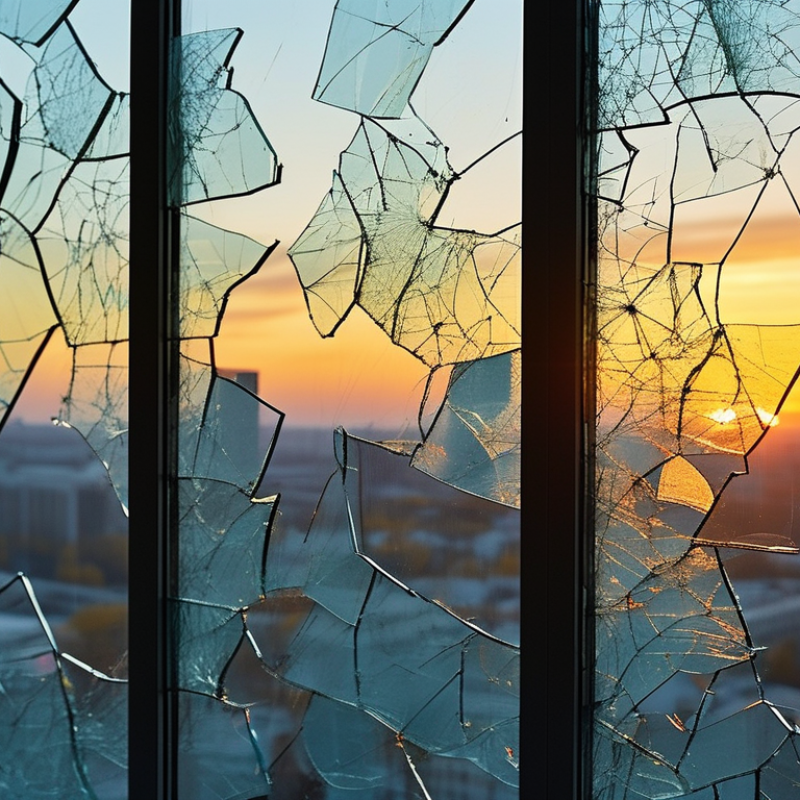
Definition and Composition of Laminated Safety Glass
Laminated safety glass is a composite material made from two or more layers of glass, bonded together with a special interlayer. This interlayer, often made from polyvinyl butyral (PVB), provides enhanced strength and safety. When broken, the glass fragments remain attached to the interlayer, reducing the risk of injury. This feature is crucial in applications like storefronts and homes with children. The layers can be varied in thickness, allowing for customization based on specific safety needs.
In addition to safety, laminated glass also offers sound insulation and UV protection. The interlayer effectively blocks a significant amount of harmful UV rays, which helps in safeguarding furnishings from fading. Moreover, the sound-dampening properties make it an ideal choice for urban environments. However, the initial cost of laminated glass can be higher than standard options. This can lead to hesitation in adoption. Still, the long-term benefits often justify the upfront investment. With a transparent design, laminated safety glass enhances aesthetics while providing essential protection.
Laminated Safety Glass Benefits
Properties and Characteristics of Laminated Safety Glass
Laminated safety glass is a special type of glass made by sandwiching a layer of plastic between two sheets of glass. This design enhances its strength and safety. When shattered, the glass pieces adhere to the plastic, preventing dangerous shards from flying. This feature is crucial in residential and commercial buildings, where safety is paramount.
The properties of laminated safety glass make it highly versatile. Its sound insulation capabilities are exceptional, reducing outside noise significantly. This is beneficial in urban settings. The glass also blocks harmful UV rays, protecting furniture and flooring inside. Additionally, laminated glass has better thermal insulation than regular glass, helping maintain indoor temperature. Despite these advantages, some may question its cost-effectiveness. The initial investment is higher, but it can lead to savings on energy bills and safety in the long run.
When choosing laminated safety glass, consider the thickness and layers based on specific needs. Customization might be required in some cases. This could make the process more complex and time-consuming. However, evaluating the long-term benefits and safety features often outweighs these drawbacks. Understanding its characteristics ensures informed choices for residential or commercial projects.
Advantages of Using Laminated Safety Glass in Windows
Laminated safety glass is becoming a popular choice for windows due to its unique benefits. This type of glass consists of two or more layers of glass interlayered with a durable polymer. This design not only enhances safety but also provides better sound insulation. According to a report by the Glass Association, laminated glass can reduce external noise by up to 30%. This is an essential factor for both residential and commercial buildings in urban areas.
One major advantage of laminated glass is its strength. When shattered, the shards adhere to the interlayer, reducing the risk of injury. The National Institute of Safety and Health states that using laminated glass in windows can decrease injury rates by up to 80%. This is particularly beneficial in high-traffic areas. Furthermore, laminated glass also blocks up to 99% of UV rays, protecting furniture and flooring from sun damage. Despite these advantages, some may find laminated glass more expensive upfront. However, the long-term benefits often outweigh these initial costs.
Moreover, laminated glass contributes to energy efficiency. It minimizes heat transfer, which can lead to lower energy bills. A report by the U.S. Department of Energy notes that buildings utilizing high-performing laminated glass demonstrate increased energy efficiency. These qualities make laminated safety glass a viable option for improving overall building performance.
Common Applications of Laminated Safety Glass in Buildings
Laminated safety glass is increasingly popular in modern architecture. It consists of two or more layers of glass, bonded with a plastic interlayer. This construction enhances durability and safety. It can significantly reduce the risk of injury from shattered glass.
Common applications in buildings include skylights, windows, and glass doors. In these areas, laminated glass provides excellent acoustic insulation. It minimizes noise pollution in urban environments, creating a tranquil space indoors. The glass also offers UV protection, safeguarding furnishings and interior finishes.
While the benefits are clear, some challenges exist. The initial cost of laminated glass can be higher than traditional options. Installation requires skilled professionals, which may complicate projects. Careful consideration of these factors is essential for builders and architects. Balancing aesthetics with practicality is a constant challenge in the use of laminated safety glass.
Maintenance and Care for Laminated Safety Glass Windows
Laminated safety glass windows are designed to enhance security and provide noise insulation. However, proper maintenance is crucial. Regular cleaning helps maintain clarity. Use a soft cloth and a mild detergent to wipe away grime and fingerprints. Avoid abrasive materials; they can scratch the surface.
It’s essential to inspect the seals around your windows. Cracked or damaged seals can lead to moisture buildup. If you notice any issues, consider seeking professional help. Replacing seals can restore your windows’ insulation properties.
Tips: Check for water spots regularly. They can indicate seal failure. Always keep drainage areas clear to prevent water accumulation. Regular maintenance can prolong the lifespan of laminated safety glass windows.
Streaky or foggy glass can be frustrating. Sometimes, this is due to improper cleaning techniques. It’s easy to overlook the type of cleaner used. Remember, not all cleaners are suitable for laminated glass.
What is Laminated Safety Glass Windows and Its Benefits? - Maintenance and Care for Laminated Safety Glass Windows
| Feature |
Description |
Benefits |
| Composition |
Two layers of glass with a layer of PVB in between |
Increased safety and impact resistance |
| Sound Insulation |
Absorbs sound due to its layered structure |
Improved acoustic comfort in buildings |
| UV Protection |
Blocks up to 99% of harmful UV rays |
Protects interiors from fading and damage |
| Maintenance |
Requires regular cleaning to maintain clarity |
Sustains aesthetic appeal and functionality |
| Security |
Difficult to break, providing high security |
Enhanced safety for homes and businesses |
FAQS
: Laminated safety glass enhances safety and provides better sound insulation. It reduces external noise significantly.
When shattered, glass shards adhere to the interlayer, reducing the risk of injury significantly.
Yes, laminated glass blocks up to 99% of UV rays, protecting furniture and flooring from sun damage.
It minimizes heat transfer, potentially lowering energy bills for buildings.
It's commonly used in skylights, windows, and glass doors. These applications improve safety and reduce noise.
Use a soft cloth and mild detergent. Avoid abrasive materials that might scratch the surface.
Regular cleaning and seal inspections are necessary. Look for cracks or damages around the seals.
Yes, streaky or foggy glass can result from using unsuitable cleaners or incorrect methods.
Look for water spots and ensure drainage areas are clear to prevent water buildup around the seals.
Yes, laminated glass may be more expensive upfront, but the long-term benefits are often worth it.
Conclusion
Laminated Safety Glass Windows are a type of glass designed to enhance safety and security in buildings. Composed of multiple layers of glass bonded with a durable interlayer, this innovative glass provides exceptional resilience and impact resistance. Its properties include noise reduction, UV protection, and shatter resistance, making it an ideal choice for various applications in both residential and commercial settings.
The advantages of using Laminated Safety Glass Windows are significant; they not only provide enhanced safety and security but also contribute to energy efficiency. Additionally, they can help in minimizing damage from UV rays, preserving interiors, and improving overall comfort. Regular maintenance and care are crucial to ensure the long-lasting performance of these windows, highlighting their importance in modern architecture and building design.

 BYG.GLASS