Tempered Safety Glass is a crucial material widely used in contemporary architecture and automotive industries. It undergoes a special heating and cooling process, enhancing its strength compared to regular glass. This process allows it to withstand extreme thermal and physical stress, making it a preferred choice for applications where safety is paramount.
In everyday life, we encounter Tempered Safety Glass in various forms. Shower doors, glass tables, and car windows often utilize this innovative product. Its shatter-resistant property makes it less likely to cause injury when broken, as it crumbles into small, blunt pieces. This characteristic significantly reduces the severity of accidents, showcasing its value in protecting lives.
Despite its advantages, some consumers may overlook the importance of Tempered Safety Glass. Not all glass products meet safety standards, leading to potential risks. When considering glass installations, one must prioritize quality and expertise. Investing in high-quality Tempered Safety Glass ensures safety and durability, contributing to a more secure environment.
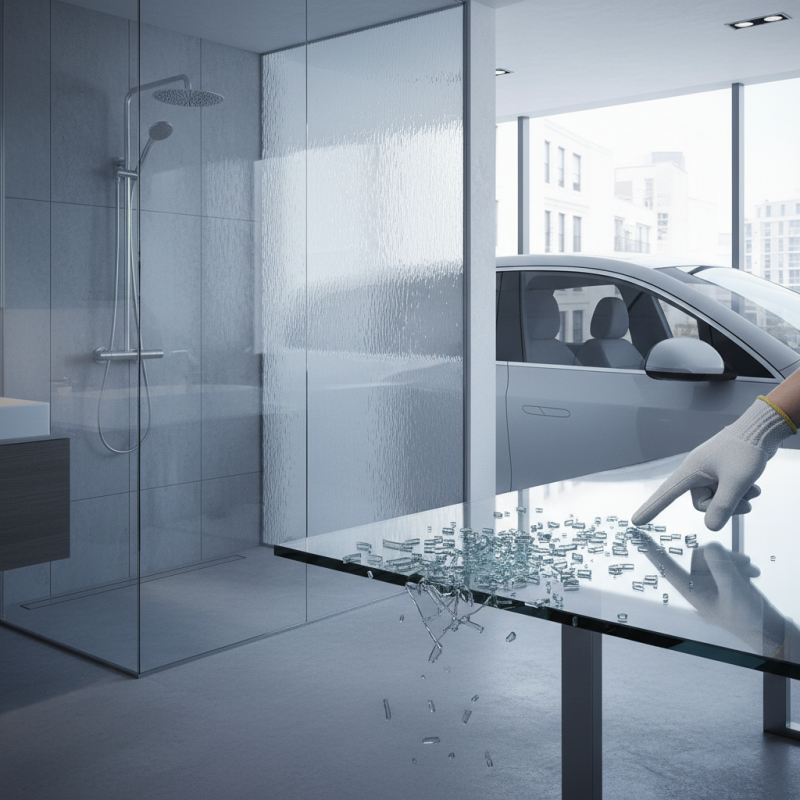
Tempered safety glass, known for its strength and resilience, is widely used in construction and automotive industries. This type of glass undergoes a meticulous heating and cooling process, making it significantly safer than regular glass. When broken, it shatters into small, blunt pieces rather than sharp shards. This characteristic reduces the risk of injury. According to a report by the Glass Association, tempered glass can be up to five times stronger than standard glass.
The composition of tempered safety glass typically includes silica sand, soda ash, and limestone. These materials are heated to over 600 degrees Celsius. This high-temperature treatment alters the glass structure, enhancing its strength and flexibility. Additionally, manufacturers often add chemical coatings for extra protection against UV rays and thermal stress. The result is a sturdy material that can withstand extreme conditions. However, even tempered glass has its limitations. It should not be used in applications where the glass will be subject to high impact or pressure without proper support.
One must consider the potential for thermal stress fractures. If tempered glass is not properly installed, it can still break unexpectedly. This highlights the importance of professional installation and consultation during projects. Industry standards emphasize the need for rigorous testing and quality assurance. Awareness of these factors is crucial for maintaining safety and durability in glass applications.
Tempered safety glass undergoes a rigorous manufacturing process that enhances its strength. The glass is first cut to size and then heated to a temperature of around 1,320°F (700°C). This heating phase ensures that internal stresses are evenly distributed. Afterward, it is rapidly cooled in a process called quenching.
During quenching, air jets swiftly cool the glass. This rapid temperature change increases the strength of the glass. However, if the cooling is uneven, it may lead to imperfections. These flaws can become points of weakness. Such areas might break under stress or impact. Manufacturers often test their processes, but small inconsistencies can still occur.
To ensure reliability, producers must maintain strict quality checks. Each sheet should meet safety standards to prevent potential hazards. If safety glass fails, it can lead to injuries. The delicate balance between heat and cooling is critical. Even slight deviations can alter the glass's properties. Thus, attention to detail and continual evaluation are vital in the production process.
Tempered safety glass stands out due to its enhanced strength and durability. This glass undergoes a rigorous heating and cooling process, making it up to five times stronger than regular glass. When it breaks, it shatters into small, blunt pieces, reducing the risk of injury. This safety feature is crucial in environments where accidents can easily occur.
The key benefits of tempered safety glass go beyond its strength. It offers excellent thermal resistance, making it suitable for varied temperatures. This feature is especially important in architectural designs where heat fluctuation is common. Additionally, it has a sleek appearance, enhancing the visual appeal of buildings. However, some may overlook the fact that installation requires careful handling. Mistakes or improper installation can lead to catastrophic failures.
Moreover, tempered glass is not invincible. Its strength can mislead people into underestimating the need for proper care. Even minor defects can compromise its integrity. Ensuring consistent quality during manufacturing is vital. The flaws serve as a reminder of the balance between safety and responsibility in glass selection for construction and design projects.
Tempered safety glass is a crucial material widely used in modern construction. Its strength and durability make it ideal for various applications. One common use is in facades of commercial buildings. This glass withstands thermal stress better than regular glass. This resilience minimizes the risk of shattering in extreme weather conditions.
Another application is in vehicle windows. Using tempered safety glass increases passenger safety during accidents. It breaks into small, blunt pieces, reducing injury risk. Additionally, tempered glass is popular in shower enclosures. It provides both style and safety in bathroom designs. The shiny surface is visually appealing, while durability ensures longevity.
In residential buildings, tempered glass is often found in doors and skylights. Its ability to resist impacts makes it a reliable choice. However, it is essential to remember that installation is critical. Improper fitting can lead to glass failure. Professionals must ensure correct handling to maintain integrity. While tempered glass is strong, it is not infallible. Understanding its limitations is vital.
| Application | Benefits | Typical Thickness | Safety Rating |
|---|---|---|---|
| Shower Doors | Impact resistant, easy to clean | 6-10 mm | ANSI Z97.1 |
| Curtain Walls | Thermal stability, aesthetic appeal | 10-15 mm | ASTM C1048 |
| Glass Tabletops | Safety against breakage, stylish | 4-6 mm | EN 12150 |
| Storefronts | Enhanced security, durability | 8-12 mm | ISO 12543 |
| Glass Partitions | Sound insulation, modern look | 10-12 mm | ASTM E90 |
Tempered safety glass is not just a material; it plays a critical role in our daily lives. Its strength and ability to shatter safely make it indispensable in various applications. However, ensuring its quality requires adherence to strict safety standards and regulations. These guidelines help guarantee that tempered glass can withstand impacts and thermal stress.
Regulatory bodies set specific tests for durability. These tests assess how glass reacts under extreme conditions. For example, certain standards require glass to endure high temperatures without breaking. Manufacturers must comply to ensure their products are reliable. Yet, compliance isn’t always straightforward. Some producers might cut corners, leading to subpar products.
Consumers must remain vigilant. Look for certificates indicating compliance with safety standards. Not all products in the market meet the necessary criteria. Investing in quality tempered glass can prevent accidents. The safety of users hinges on manufacturers' commitment to these stringent regulations. Awareness and diligence can help ensure better protection in homes and businesses.
: Tempered safety glass is strengthened glass used in construction and automotive sectors. It shatters into small, blunt pieces for safety.
Tempered glass is made by heating silica sand, soda ash, and limestone to over 600 degrees Celsius. This process enhances its strength.
When broken, tempered glass shatters into small, non-sharp pieces. This feature significantly reduces injury risk.
Tempered glass can break if improperly installed. It also should not be used under high impact or pressure without support.
Yes, strict safety standards ensure tempered glass can withstand impacts and thermal stress effectively.
Consumers should look for certificates that confirm compliance with safety standards. Not all products meet these criteria.
If manufacturers do not follow safety regulations, it can lead to subpar products and increased risks for users.
Yes, if not installed correctly, tempered glass can experience thermal stress fractures and break unexpectedly.
Manufacturers may add chemical coatings for UV protection and to help withstand thermal stress.
Professional installation ensures proper support and reduces the risk of unexpected breakage, enhancing safety and durability.
Tempered Safety Glass is a type of glass that has been specially treated to enhance its strength and safety characteristics. The manufacturing process involves heating the glass to a high temperature and then rapidly cooling it, which increases its resistance to impact and thermal stress. This process also ensures that if the glass does break, it shatters into small, blunt pieces, reducing the risk of injury.
The key features of Tempered Safety Glass include its impressive durability, resistance to shattering, and ability to withstand extreme temperature changes. These qualities make it an ideal choice for various applications, such as in buildings, vehicles, and shower doors. Additionally, Tempered Safety Glass must comply with specific safety standards and regulations, ensuring that it meets the highest safety requirements for consumer use. Overall, Tempered Safety Glass is essential for providing both protection and aesthetic appeal in contemporary design.

BYG.GLASS