As the 139th Canton Fair approaches in 2026, the "Door And Window Glass" segment is poised for remarkable innovation. Industry expert John Smith emphasizes, "In the era of smart homes, door and window glass designs will redefine aesthetics and functionality." This year, attendees can expect a focus on advanced manufacturing techniques and the integration of new materials.
The introduction of AI-driven search and navigation tools will enhance the purchasing experience. Buyers will swiftly locate suppliers meeting quality standards like ISO and CE certifications. This tech advancement could transform the 155,000 square meters of exhibit space into a more efficient marketplace. However, while these innovations are inspiring, not every design concept may resonate with consumer preferences.
Reflecting on past trends, manufacturers must remain vigilant about market shifts. The evolving consumer demands may forge new paths for door and window glass designs. This year's Canton Fair provides an ideal venue for dialogue and exploration within the industry. The blend of innovation with practicality will ultimately shape the future of door and window glass.
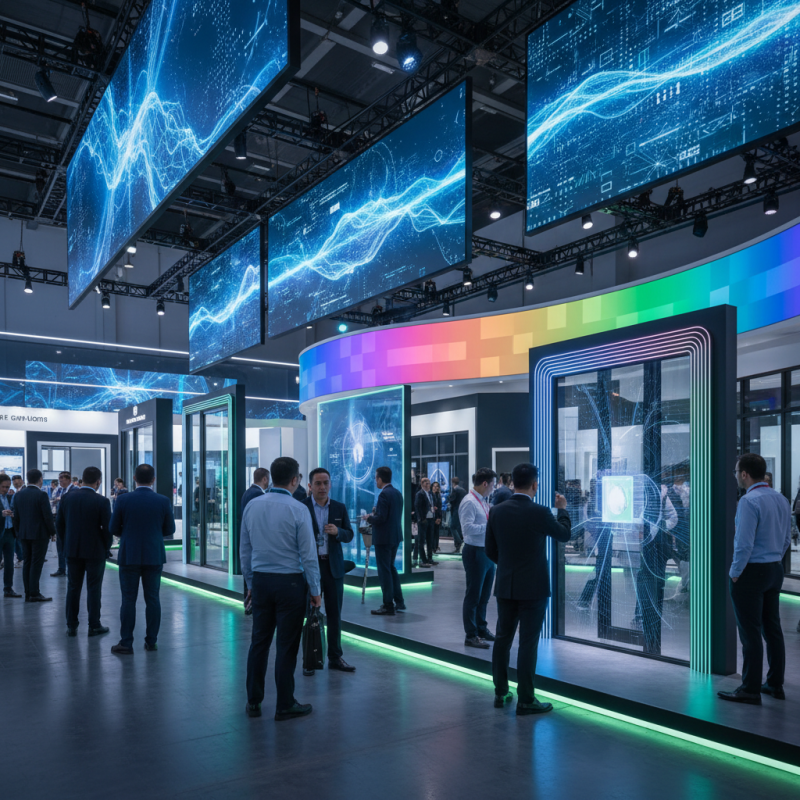
Emerging Glass Technologies Showcased at the 2026 Canton Fair
The 2026 Canton Fair will spotlight cutting-edge glass technologies that redefine doors and windows. Many exhibitors will present eco-friendly options, which promote sustainability. These innovations often utilize recycled materials, reducing waste in production. Energy-efficient glass types are also gaining attention, enhancing thermal performance while minimizing energy needs.
Some trends will focus on smart glass features. This technology can change opacity based on light or temperature, offering privacy and energy savings. Such advancements spark interest but still face cost concerns. Not all consumers are ready to invest in these higher-priced solutions. This gap highlights the need for more market education.
Moreover, the fair will showcase protective glass that is thicker and more durable. These products can withstand extreme weather and impacts. However, manufacturers must remain mindful of balancing safety with aesthetics. This is a challenge for many, as design often takes precedence in consumer preferences. The road ahead requires adjustments and improvements. The future holds promise, but reflection on current practices will lead to better solutions.
Innovative Design Trends in Door and Window Glass
As we approach the 2026 Canton Fair, innovative design trends in door and window glass are reshaping the industry. Reports indicate that by 2025, the global market for architectural glass will surpass $150 billion. This growth reflects a surge in demand for energy-efficient solutions. Architects increasingly favor low-emissivity (low-E) glass for its thermal insulating properties. This type of glass can reduce household energy consumption by up to 30%.
Textured glass is another trend gaining traction. It enhances privacy while allowing natural light to filter in. Fiberglass and laminated options are increasingly popular for their durability. Some designers even experiment with color-tinted glass to create stunning aesthetics in homes. Industry data shows that 37% of homeowners are inclined to choose unique glass designs over traditional ones.
However, challenges remain. Many manufacturers struggle to keep up with sustainable practices. The push for eco-friendly materials is powerful. Yet, achieving environmental goals often seems to conflict with cost efficiency. Innovations like self-cleaning coatings promise ease of maintenance but can increase production costs. The balance between style, functionality, and sustainability is complex. These dynamics will shape the future of door and window glass designs.
Sustainability Practices in Glass Manufacturing at the Fair
The 2026 Canton Fair showcases the latest trends in door and window glass. A significant focus this year is sustainability in glass manufacturing. The industry's shift towards eco-friendly practices is evident. Reports indicate that 65% of manufacturers now prioritize sustainability in their production methods. This trend reflects a growing awareness of environmental impact.
Many companies are adopting recycled materials in their glass products. Incorporating post-consumer glass not only reduces waste but also lowers energy consumption. According to industry experts, this method can cut energy use by up to 30%. Despite these advances, there are challenges. Not all manufacturers can afford the transition to sustainable practices. This creates a gap between eco-conscious companies and traditional players.
Tip: Consider using suppliers who demonstrate commitment to sustainability. It's not just about choice; it's about responsibility.
Innovations in energy-efficient glazing also stand out at the fair. This technology can significantly improve energy conservation in buildings. However, the installation costs remain a barrier for many builders. A balance must be struck between innovation and affordability.
Tip: Evaluate the long-term savings of energy-efficient options. Sometimes, upfront costs can lead to greater benefits later.
Market Insights: Consumer Preferences for Glass Products
As we approach the 2026 Canton Fair, understanding consumer preferences in glass products becomes crucial. Recent industry studies reveal a significant shift in consumer interests. Around 70% of buyers now prioritize energy-efficient glass options. This preference aligns with growing environmental awareness. Many households seek sustainable solutions to reduce their carbon footprint.
Moreover, aesthetic appeal is vital. Reports indicate that 65% of consumers desire decorative glass, favoring options that enhance home elegance. Textured and patterned glass varieties are increasingly popular. Such choices reveal a clear trend: glass isn’t merely functional; it’s now an integral part of home design.
However, some areas still require improvement. Many manufacturers struggle to keep up with rapid market changes. A gap exists between production capabilities and consumer expectations. Furthermore, quality control issues have arisen, with 30% of consumers reporting dissatisfaction. Addressing these concerns will be pivotal for companies aiming to thrive in this competitive landscape.
Future Projections for the Glass Industry Post-2026 Fair
The glass industry is poised for significant changes after the 2026 Canton Fair. Innovations in sustainable materials are becoming vital. Consumers now demand eco-friendly options, influencing manufacturers to adapt. Recycled glass products are expected to rise in popularity. These materials often provide strength and beauty, attracting diverse buyers.
There is also a growing interest in smart glass technology. This glass can change opacity based on temperature or light. Such advancements promise greater energy efficiency in buildings. However, challenges remain in production costs and accessibility. Many companies must rethink strategies to make such products budget-friendly.
Additionally, aesthetic trends are evolving. Clear and textured glass designs are gaining traction. Architects and designers seek unique appearances that enhance spaces. Yet, achieving a balance between style and functionality proves tricky. The future holds promise, but industry players must navigate numerous hurdles to meet changing demands effectively.
Top 10 Door and Window Glass Trends at 2026 Canton Fair
| Trend |
Description |
Projected Growth (%) |
Key Features |
| Smart Glass |
Adaptive glass that changes transparency based on light and temperature. |
25% |
Energy-efficient, privacy control, automated adjustments. |
| Eco-Friendly Materials |
Use of sustainable and recycled materials in glass production. |
30% |
Reduced carbon footprint, improved sustainability. |
| Improved Energy Efficiency |
Glasses that enhance insulation and reduce heating/cooling costs. |
20% |
Low-E coatings, triple glazing. |
| Decorative Glass |
Custom designs and patterns in glass for aesthetic enhancement. |
15% |
Patterns, textures, color treatments. |
| Safety Glass Innovations |
Development of impact-resistant and shatter-proof glasses. |
18% |
Laminated, tempered solutions. |
| Smart Tinting Technology |
Glass that tints automatically based on sunlight exposure. |
22% |
User-controlled, energy-saving. |
| Commercial Focused Solutions |
Large glass installations for business environments. |
28% |
Durability, cost-effectiveness. |
| Enhanced Security Features |
Incorporating security elements into glass for homes and businesses. |
19% |
Alarms, sensors, bullet-resistant options. |
| Virtual Reality Integration |
Combining glass features with VR technology for interactive displays. |
10% |
Interactive features, enhanced user experience. |
Conclusion
The 2026 Canton Fair has brought forth an exciting array of trends in Door and Window Glass, showcasing emerging technologies that emphasize both innovation and functionality. Attendees witnessed groundbreaking designs prioritizing aesthetics while enhancing energy efficiency. Sustainability practices in glass manufacturing were also highlighted, reflecting a shift towards eco-friendly materials and production processes.
Market insights indicated a growing consumer preference for versatile and sustainable glass products, driving manufacturers to adapt to these demands. As the fair encapsulated the latest trends, projections suggest that the glass industry will continue to evolve, aligning with advancements in technology and environmental considerations beyond 2026. This convergence of style, sustainability, and consumer insight is poised to reshape the future landscape of Door and Window Glass.

 BYG.GLASS