2026 Top Insulated Double Glazing Features and Benefits?

Time:2026-06-16 Author:Liam
0%

As the demand for energy-efficient solutions grows, "Insulated Double Glazing" is gaining momentum in the construction industry. According to a report by the Energy Saving Trust, investing in insulated double glazing can reduce energy bills by up to 30%. Expert John Thompson, a leading figure in sustainable architecture, states, “Insulated Double Glazing is no longer just an option; it’s a necessity for modern homes."

The features of insulated double glazing include advanced thermal performance, noise reduction, and increased security. These enhancements make homes more comfortable while adding value to properties. However, despite these advantages, some homeowners remain hesitant. They often overlook installation costs, which can be significant.

In 2026, the focus will shift towards innovative glass technologies. New coatings and gas fills will promise even greater energy efficiency and performance. As the market evolves, staying informed about the benefits and challenges of insulated double glazing is critical for both consumers and industry professionals. Investing in this technology requires careful consideration, reflecting the balance between cost and long-term savings.
2026 Top Insulated Double Glazing Features and Benefits?

Top Energy Efficiency Ratings of 2026 Insulated Double Glazing Units

In 2026, insulated double glazing has reached new heights in energy efficiency. These units boast impressive thermal performance, which keeps homes comfortable year-round. The gap between the panes enhances insulation, minimizing heat loss. Homeowners can expect lower energy bills with such advancements.

Energy efficiency ratings for these units reflect their effectiveness. Many triple-glazed options are emerging, providing superior insulation. Different frame materials also contribute to performance. Research indicates that fiberglass frames can offer better thermal efficiency compared to traditional materials.

Yet, it's essential to recognize that not all installations succeed. Poor fitting can negate benefits. Environmental factors, like local climate, also dictate overall efficiency. It’s crucial for users to evaluate their specific needs and conditions. Ultimately, while modern insulated double glazing offers great potential, proper installation and selection are key components of energy savings.

Key Materials Used in Modern Insulated Double Glazing Technology

Modern insulated double glazing utilizes advanced materials to enhance energy efficiency. The key component is the spacer bar, often made of materials like aluminum or plastic. These spacers keep the glass panes apart, creating an insulating air gap. The type of gas filling between the panes, such as argon or krypton, also plays a crucial role. These inert gases improve thermal performance, reducing heat loss.

Another important material is the low-emissivity (Low-E) coating. This microscopic layer reflects heat back into a room, promoting warmth during cold months. Such coatings enhance insulation properties, yet their effectiveness can vary based on quality. Additionally, frames made from uPVC and timber offer different aesthetic and thermal benefits. Proper sealing and frame durability are vital for maintaining insulation efficiency over time.

Despite these advancements, not all installations guarantee optimal performance. Poor workmanship can lead to air leaks, compromising energy savings. Regular maintenance is essential to ensure the longevity of double glazing. Homeowners must reflect on their choices, considering factors like installation quality and material durability to maximize benefits.

2026 Top Insulated Double Glazing Features and Benefits

Impact of Insulated Double Glazing on Indoor Comfort and Air Quality

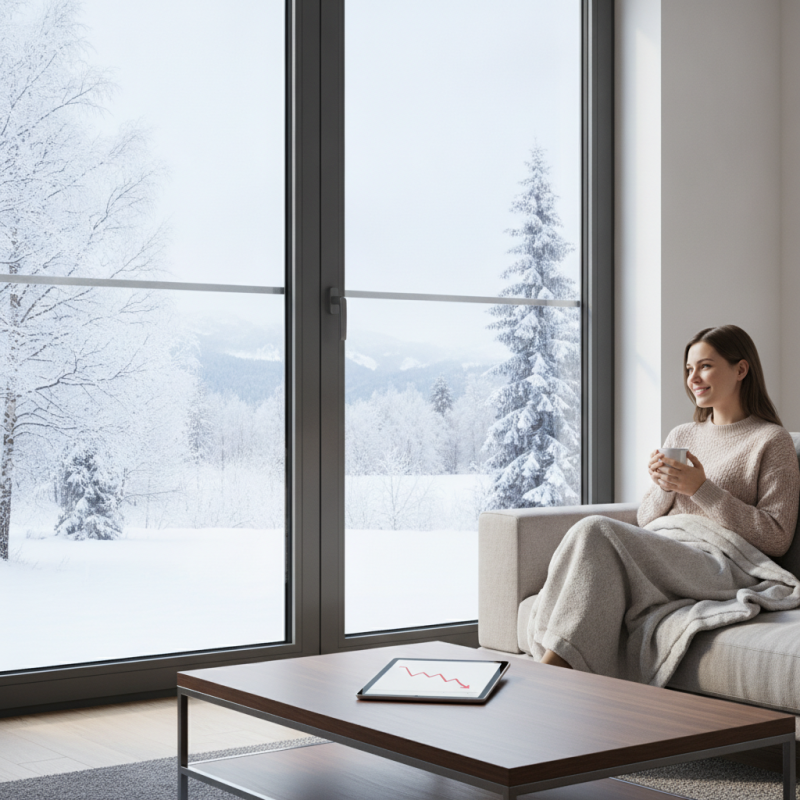
Insulated double glazing significantly enhances indoor comfort and air quality. Studies indicate homes with double glazing experience a 60% reduction in heat loss compared to single glazing. This improvement leads to a more stable indoor temperature, making living spaces cozier throughout the year. On colder days, the warmth is retained longer, thereby minimizing the reliance on heating systems.

The air quality in insulated homes also sees marked improvement. Double glazing reduces external noise from traffic and construction, which can lower stress levels and contribute to a healthier environment. According to a survey by the Building Research Establishment, sound insulation can decrease perceived noise by up to 40%. This reduction creates a serene indoor atmosphere, promoting relaxation and productivity.

However, some challenges remain with double glazing. One common issue is condensation between panes, which can affect visibility and maintenance. Additionally, not all homes can easily accommodate this upgrade. Retrofitting can be expensive and may cause disruptions. Evaluating these factors is essential before making a decision.

Cost-Benefit Analysis of Upgrading to 2026 Insulated Double Glazing

Upgrading to 2026 insulated double glazing can bring significant savings over time. Energy efficiency is a key benefit. These windows help reduce heating costs by keeping warmth inside during winter. They also minimize cooling needs in summer. Homeowners often notice a drop in energy bills shortly after installation.

However, the initial investment can be considerable. The cost might seem high at first. Many property owners hesitate because of this upfront expense. Yet, it's essential to view this as a long-term investment. Over time, the energy savings can offset the initial costs. The increase in property value is another aspect worth considering.

Considering these factors, it's clear that the benefits can outweigh the initial costs. Expert analyses suggest that insulated glazing typically pays for itself over a decade. Homeowners should weigh their current energy expenses against the potential benefits. Reflecting on all aspects, the decision to upgrade deserves careful thought.

Latest Innovations in Low-E Coatings for Enhanced Thermal Performance

Low-emissivity (Low-E) coatings are transforming insulated double glazing. These coatings enhance thermal performance, reflecting heat while allowing natural light. The latest innovations focus on durability and efficiency. Advanced Low-E coatings can improve insulation by up to 40%. This reduction in heat transfer makes homes more comfortable year-round.


The technology is evolving rapidly. New coatings are not only more effective but also environmentally friendly. Some formulations use fewer harmful substances. However, not all options are created equal. Homeowners should consider various factors, such as climate and window orientation. Each situation is unique. A minor oversight in selection could lead to inefficiencies.


Testing and validation of these coatings remain crucial. Some products may not perform as advertised. Independent research often reveals performance gaps. Proper installation is equally important. Even the best coatings can fail if not applied correctly. Continuous learning in this field is essential for optimal results.

FAQS

: What is insulated double glazing?

: Insulated double glazing involves two glass panes that reduce heat loss and improve energy efficiency.

How do insulated double glazing units improve energy efficiency?

They minimize heat loss through air gaps and innovative spacer materials, lowering energy bills.

What materials are commonly used in modern double glazing?

Aluminum or plastic spacers, Low-E coatings, uPVC, and timber frames enhance performance.

What role does Low-E coating play in glazing units?

Low-E coating reflects heat back into the room, improving warmth while allowing natural light.

Can poor installation affect the efficiency of double glazing?

Yes, poor fitting or workmanship can lead to air leaks, negating energy savings.

How can homeowners maximize the benefits of double glazing?

Proper installation and regular maintenance are key to ensuring long-lasting efficiency.

Are all Low-E coatings equally effective?

No, the effectiveness of Low-E coatings can vary based on quality and application.

What should homeowners consider before choosing double glazing?

Factors like climate, window orientation, and installation quality are crucial to ensure performance.

Why is regular maintenance important for double glazing?

It prevents air leaks and maintains insulation efficiency over time, ensuring energy savings.

Is there a risk of misinformation about glazing products?

Yes, not all products perform as advertised, and independent validation is essential for trust.

Conclusion

The article explores the features and benefits of Insulated Double Glazing in 2026, focusing on advancements in energy efficiency. It highlights the top energy efficiency ratings of modern insulated double glazing units, which significantly improve indoor comfort and air quality. The examination of key materials used in the latest technology showcases the evolution in design and performance, contributing to better insulation and lower energy costs.

Additionally, a cost-benefit analysis of upgrading to 2026 insulated double glazing reveals the financial advantages alongside enhanced thermal performance. Innovations in low-emissivity (Low-E) coatings are discussed, indicating their role in maximizing thermal efficiency while minimizing energy loss. Overall, the article emphasizes how insulated double glazing not only contributes to energy savings but also enhances living conditions through improved insulation techniques.


Liam

Liam

Liam is a dedicated marketing professional with a profound expertise in the industry, where he excels at highlighting the unique advantages of our core products. With a keen understanding of market trends and consumer needs, Liam frequently updates our company’s professional blog, providing......