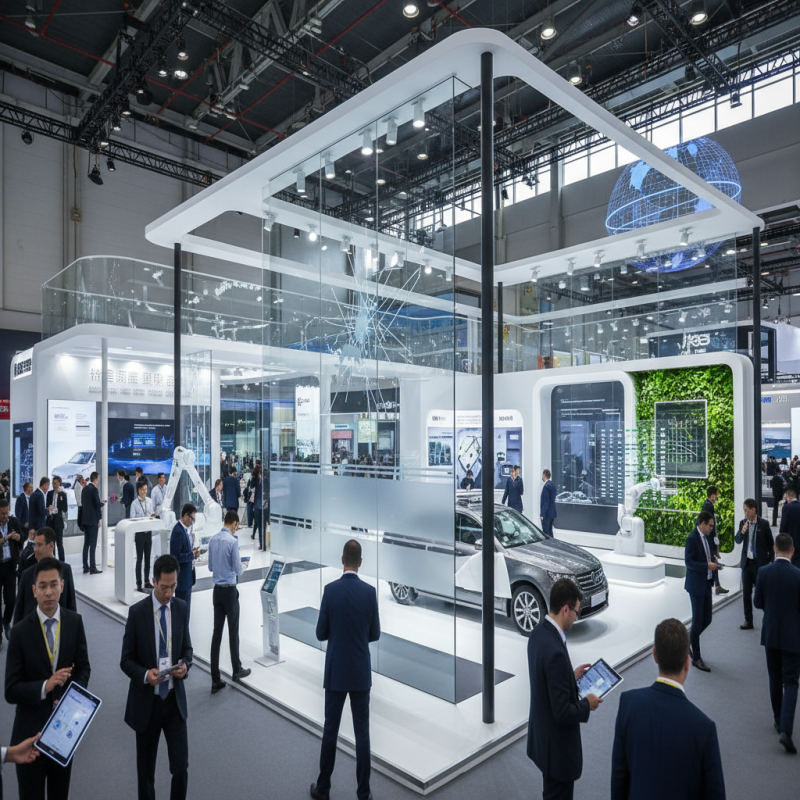
The China Import Expo is set to showcase emerging trends in various sectors, including Laminated Safety Glass. This unique product offers durability and safety in construction and automotive industries. With increasing awareness of safety features, the demand for laminated safety glass is on the rise.
During the expo, many suppliers will highlight their innovations. Manufacturers will present advanced technology and design trends in laminated safety glass. Buyers can explore sustainable and eco-friendly options, reflecting growing environmental concerns. However, challenges remain in balancing production costs and maintaining high-quality standards.
Attendees will benefit from AI-enhanced navigation tools to discover relevant suppliers more efficiently. Focusing on compliance with certifications like ISO and CE will be key for buyers. While this provides an excellent opportunity to source high-quality products, it also raises questions about consistency in supply quality. The ongoing evolution of laminated safety glass signifies not just change but a move toward safer, smarter options in various applications.
Emerging Innovations in Laminated Safety Glass Technology
Laminated safety glass is gaining attention at the China Import Expo. This material is crucial for improving safety in various applications. New technologies are emerging, enhancing both strength and design flexibility.
One notable trend is the use of advanced interlayer materials. These new interlayers improve shatter resistance. They also provide better acoustic insulation. Innovative coatings are becoming popular too. These coatings can reduce glare and improve energy efficiency. However, challenges remain in mass production and application consistency.
Another interesting development is the focus on sustainability. Manufacturers are exploring eco-friendly materials. Regenerative glass and recyclable components are being tested. While these initiatives look promising, their feasibility is still uncertain. The balance between environmental impact and product performance needs careful evaluation. Overall, the advancements in laminated safety glass present exciting possibilities.
Sustainability Trends in Laminated Safety Glass Production
The laminated safety glass industry is evolving. Sustainability is becoming a central theme in production practices. Manufacturers look for eco-friendly materials. This reduces the carbon footprint significantly. Recycled glass is being integrated into the laminating process. It offers both durability and lower environmental impact. Some factories still struggle with adoption. The transition can be costly and complex.
Water-based adhesives are gaining popularity too. They are less harmful than traditional options. These adhesives help in creating safer working environments. However, not all manufacturers prioritize these sustainable practices. There are still gaps in awareness and implementation. The use of renewable energy sources is another trend. Solar panels on production sites show potential. Yet, only a few have fully adopted this route.
Innovative designs focus on aesthetic appeal while maintaining functionality. The push for green certifications is strong, but progress varies. Some companies have embraced these changes wholeheartedly. Others remain hesitant, bound by old practices. The industry faces a challenge in balancing tradition with innovation. Engaging in sustainable practices is not just a trend; it’s a necessity. However, real change requires dedication and openness to new ideas.
Top 10 Laminated Safety Glass Trends at China Import Expo - Sustainability Trends in Laminated Safety Glass Production
| Trend |
Description |
Sustainability Impact |
Market Growth Potential |
| Recycled Materials Usage |
Incorporating recycled glass and film in production. |
Reduces waste and conserves resources. |
High |
| Energy-Efficient Production |
Using renewable energy sources in manufacturing. |
Lowers carbon footprint of production. |
Moderate |
| Smart Glass Technology |
Integration of technology for energy efficiency. |
Improves energy conservation in buildings. |
High |
| Innovative Film Solutions |
Development of bio-based and biodegradable interlayers. |
Decreases environmental impact of waste. |
High |
| Self-Cleaning Glass |
Coatings that reduce maintenance and cleaning needs. |
Lowers water usage for maintenance purposes. |
Moderate |
| Lightweight Glass Innovations |
Creating thinner yet stronger laminated glass. |
Reduces material use while maintaining performance. |
High |
| Improved Durability |
Developing glass that resists impacts and weather. |
Extends lifespan, reducing the need for replacements. |
Moderate |
| Hydrophobic and Anti-Fog Coatings |
Enhancing visibility under various weather conditions. |
Improves safety and lowers maintenance cost. |
High |
| Customization Options |
Offering tailored solutions to meet specific project needs. |
Empowers architects and designers for innovative designs. |
Moderate |
Market Demand: Key Drivers for Laminated Safety Glass in China
Laminated safety glass is gaining traction in China. The market demand is primarily driven by safety needs. This material offers enhanced protection against impact and breakage. It is increasingly used in buildings, vehicles, and even furniture.
Urbanization is a key factor. As cities expand, more glass structures emerge. With this rise, safety concerns grow. Builders are prioritizing materials that ensure safety and durability. Laminated glass meets these needs effectively. It combines layers of glass with resin, creating a stronger product.
Tips: When considering laminated glass, always check standards. Not all products are created equal. Look for certifications that ensure quality and safety.
Additionally, environmental factors shape trends. Consumers are now more eco-aware. There is a push for sustainable materials. Laminated glass can be recycled, supporting a green future. However, some manufacturers still struggle with eco-friendly processes.
Tips: Always inquire about the production methods. Transparency is crucial for informed choices. Reflect on what sustainability means to you. It could influence your purchasing decisions.
Applications of Laminated Safety Glass in Various Industries
Laminated safety glass has diverse applications across various industries. In construction, it enhances the safety and aesthetics of buildings. Architects increasingly favor it for facades and skylights. This glass offers UV protection and can minimize heat gain. However, ensuring durability remains a challenge.
Automotive industries also benefit from laminated safety glass. It is used in windshields due to its shatter resistance. Yet, not all manufacturers prioritize this feature. There are still concerns about the long-term clarity of this glass. It's vital to address quality control in production processes.
In the realm of interior design, laminated safety glass is gaining traction. It’s used for partitions and decorative elements. Designers appreciate its versatility but sometimes overlook its impact on acoustic properties. Balancing beauty with functionality requires careful planning. These trends highlight the evolving landscape of laminated safety glass and its importance in various fields.
Regulatory Standards Shaping the Future of Laminated Safety Glass
Regulatory standards play a crucial role in shaping the future of laminated safety glass. With increasing emphasis on safety and durability, these standards are evolving. Governments worldwide are tightening regulations to enhance safety in construction and automotive industries. Compliance with these standards ensures that manufacturers produce reliable products.
At the China Import Expo, several trends emerged regarding laminated safety glass. Heightened consumer awareness is pushing companies to prioritize transparency. Consumers now demand information about materials and safety features. This shift challenges manufacturers to adapt and innovate. Failure to meet these expectations may result in a loss of market share.
Manufacturers must invest in research to understand these evolving regulations. Balancing cost and compliance poses a challenge. Some companies may sacrifice quality for lower prices, which can lead to safety risks. Reflecting on these practices is crucial for long-term success. Safety glass is not just a product; it represents trust and integrity.
Conclusion
The article "Top 10 Laminated Safety Glass Trends at China Import Expo" explores the latest advancements and contributions of laminated safety glass within the industry. It highlights emerging innovations in laminated safety glass technology, showcasing new methods and materials that enhance safety and performance. Furthermore, the discussion on sustainability trends emphasizes eco-friendly production practices, aligning with global environmental goals.
Market demand for laminated safety glass is driven by its diverse applications across various industries, from construction to automotive, showcasing its versatility and essential role in enhancing safety standards. Additionally, the regulatory standards shaping the future of laminated safety glass ensure compliance with safety regulations, fostering confidence in its performance. Overall, the trends presented reflect a dynamic industry striving for innovation and sustainability while meeting the needs of a growing market.

 BYG.GLASS