Insulated Double Glazing is a window system built from two panes of glass separated by a sealed cavity. That gap usually contains air or an insulating gas, while a spacer keeps the panes apart. Together, these parts slow heat transfer through the window. They do not stop heat loss completely.
On a winter morning, the inner pane may feel less cold than single glazing. This can make rooms more comfortable and may reduce condensation on the glass. Results depend on the window’s full construction, including its frame, seals, and installation. A well-made unit fitted poorly can still allow draughts or moisture problems. Small details matter.
This guide explains how the system works, what its components do, and how it differs from other window options. It also looks at energy performance, comfort, noise, and common signs of failure, such as mist trapped between panes. Double glazing can help lower heating demand, but actual savings vary with climate, building condition, and household use. It is not soundproof, either. That distinction is easy to miss.
When comparing products, check performance information from the manufacturer and ask a qualified installer about suitability for your home. There is no single best specification for every building. The right choice balances insulation, cost, appearance, and maintenance—and sometimes the answer is less straightforward than a product label suggests.
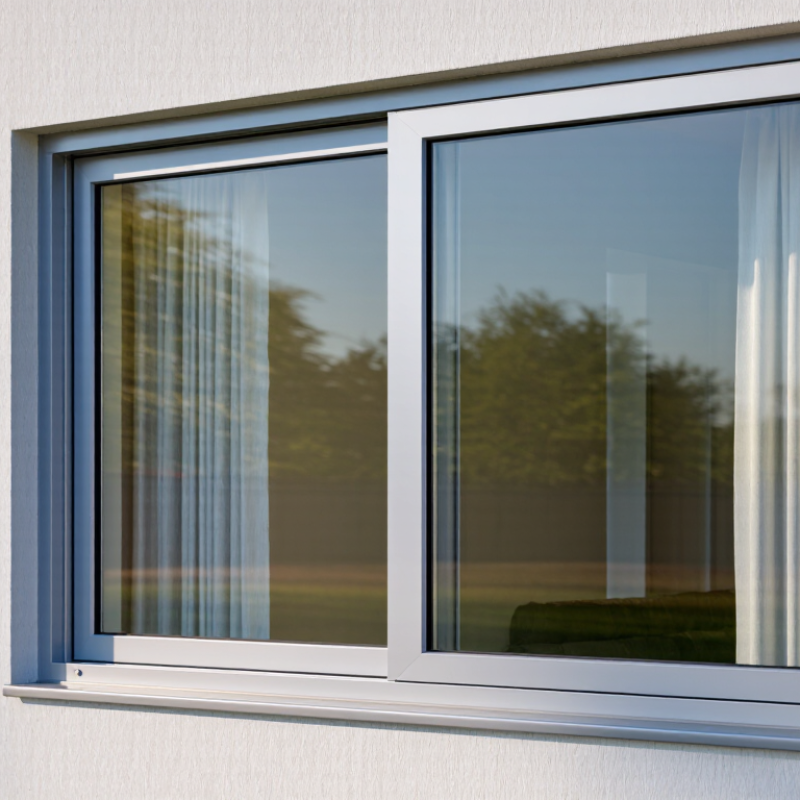
Insulated double glazing is a sealed glass unit made from two panes separated by a narrow cavity. The gap usually contains dry air or an insulating gas, while a spacer and edge seal keep the panes apart and limit moisture entry. It is not simply two sheets of glass in one frame. The sealed space slows heat transfer by conduction and air movement, helping rooms stay warmer in winter and cooler in summer. Some units also use low-emissivity coatings to reflect radiant heat while allowing daylight through.
The purpose is practical: reduce unwanted heat flow, improve comfort near windows, and potentially lower heating and cooling demand. The U.S. Department of Energy’s Energy Saver guidance estimates that heat gain and loss through windows account for about 25–30% of residential heating and cooling energy use. That figure describes windows broadly, not the guaranteed savings from replacing one particular window. Performance depends on the whole assembly, including frame quality, installation, climate, and the unit’s U-factor. A colder glass edge can still appear on a poorly installed unit. The terminology can sound more reassuring than the results deserve. Seal failure, for example, may allow fogging between panes and weaken the unit’s insulating function.
What Is Insulated Double Glazing?
Main Components of an Insulated Double-Glazed Unit
An insulated double-glazed unit contains two panes of glass separated by a narrow cavity. The panes form the main barrier, while the cavity slows heat transfer between indoors and outdoors. Depending on the design, it may contain air or an insulating gas. The gas is sealed inside; it is not something homeowners normally refill.
A spacer bar runs around the edges of the panes and keeps them evenly apart. Many spacers contain desiccant, a moisture-absorbing material that helps limit condensation between the glass sheets. The edge seal holds the unit together and helps prevent moisture from entering. These parts are small but important. If the seal fails, mist may appear between the panes, and cleaning the glass surface will not remove it.
Some units also use a low-emissivity coating, a thin layer that reflects heat while allowing visible light through. Its position and type affect performance, so the coating should be specified for the window’s orientation and climate. The frame supports the finished unit, but it is separate from the glazed assembly; both matter when assessing a window’s insulation. One detail is easy to overlook: a technically sound glass unit can still feel cold if the frame or installation has gaps. I would check the whole window, not just the glass.
| Component | Typical Materials or Details | Main Function | Useful Facts |
|---|---|---|---|
| Outer glass pane | One sheet of glass; may be clear, tinted, laminated, or toughened | Provides a weather-resistant outer layer and contributes to the unit’s strength and safety performance. | Pane thickness and type vary according to size, location, safety requirements, and design. |
| Inner glass pane | A second sheet of glass, which may include a low-emissivity coating | Completes the double-pane structure and helps reduce heat transfer through the glazing. | In a typical unit, the two panes are separated by a sealed cavity rather than touching. |
| Sealed cavity | Dry air or an insulating gas, commonly argon | Slows heat transfer between the panes and contributes to the unit’s thermal performance. | Cavity widths commonly fall within roughly 6–20 mm, although the appropriate width depends on the unit design. |
| Spacer bar | Aluminium, stainless steel, or a lower-conductivity “warm-edge” material | Maintains the gap between the panes and provides a perimeter surface for the edge seals. | Spacer design can affect heat flow at the glass edge and the likelihood of condensation near the frame. |
| Desiccant | Moisture-absorbing material, often held inside or applied to the spacer | Absorbs residual moisture within the cavity to help keep the inner glass surfaces clear. | It works inside the sealed unit and is separate from any moisture control in the surrounding room. |
| Primary edge seal | Often polyisobutylene (PIB) | Forms a barrier against water vapour entering and insulating gas escaping from the cavity. | It is applied around the perimeter between the spacer and glass as part of the sealed edge system. |
| Secondary edge seal | May use silicone, polysulfide, or polyurethane sealant | Provides additional edge protection and helps hold the panes and spacer together. | The material and construction depend on the unit’s intended use and the manufacturer’s design. |
| Low-emissivity (Low-E) coating | A thin, transparent coating on a glass surface facing the cavity | Reflects some long-wave heat radiation while allowing visible light to pass through, depending on the coating. | Low-E glass is an optional specification; not every double-glazed unit includes it. |
Typical materials and dimensions vary by product design, climate, building requirements, and applicable standards.
Insulated double glazing uses two panes of glass separated by a narrow, sealed cavity. That gap slows heat moving from a warm room toward colder outdoor air. It also limits air circulation between the panes, reducing one route for heat loss. The cavity usually contains dry air or an insulating gas. Small detail, big effect. Some units also use a low-emissivity coating, which reflects part of the radiant heat back indoors without blocking much visible light.
The glass layers do not stop heat transfer completely. Heat can still pass through the panes, spacer, seals, and surrounding frame. On a chilly morning, the inner pane of a well-performing unit often feels less cold than single glazing, though the result depends on the whole window and the installation. A damaged seal may let moisture enter the cavity, causing mist between panes and reducing clarity. The spacer matters, too; its edge can conduct heat faster than the centre of the glass. It is easy to focus on the panes alone. That is an imperfect way to judge performance, but a useful reminder: sealed layers work best as part of a carefully made, properly fitted window.
What Is Insulated Double Glazing?
Factors That Affect Insulation and Energy Performance
Insulated double glazing uses two glass panes separated by a sealed gap. That gap slows heat transfer, but its size and contents matter. Argon gas can reduce heat movement compared with ordinary air. Low-emissivity coatings also reflect some heat back indoors. The result depends on the whole window, not just the glass.
Frames make a difference. Well-designed uPVC, timber, or thermally broken metal frames can limit heat loss, while poor seals may let cold air creep around the edges. Careful installation matters just as much. A small gap between the frame and wall can cause drafts, even with efficient glazing. Window orientation, shading, and local climate affect comfort too. Real homes are rarely perfect test conditions.
Tips: Check the window’s whole-unit U-value, not only the centre-glass rating. Look for intact seals and smooth operation. If a room still feels chilly, inspect the frame edges on a windy day. That simple check is useful, though it cannot replace a professional assessment.
Insulated double glazing uses two panes of glass separated by a sealed cavity. The chart compares representative U-values for common glazing configurations. Lower U-values indicate less heat transfer and better insulation. Actual performance varies with coatings, cavity gas, frame design, and installation.
Common Applications and Practical Considerations
Insulated double glazing uses two panes of glass separated by a sealed gap, often filled with air or inert gas. It is common in homes, offices, schools, and shopfronts where reduced heat transfer and improved comfort matter.
The U.S. Department of Energy estimates that heat gain and heat loss through windows account for 25–30% of residential heating and cooling energy use. That figure covers windows broadly, not double glazing alone, so results depend on the whole window system.
It can help reduce cold drafts near a bedroom window or limit heat loss from a busy office. But performance varies with glass coatings, gap width, frame material, seals, and installation quality. A warmer room is not automatic.
Poorly sealed units can develop condensation between panes, and stronger acoustic performance depends on pane thickness and spacing. Noise reduction is often overstated when only the glass is considered; gaps around the frame matter too.
Tips: Check the window’s whole-unit thermal rating, not just its glass. Look for clear warranty terms covering failed seals, and inspect frame edges after installation. Small details matter. Even good glazing may disappoint if the surrounding wall remains poorly insulated.
It has two glass panes, a sealed cavity, spacer bars, and edge seals. Some units also include a low-emissivity coating.
It slows heat transfer. The cavity may contain air or insulating gas, which is sealed inside.
Usually, no. The gas is sealed within the unit and is not normally refilled at home.
A failed edge seal can let moisture enter. Wiping the inside or outside surfaces will not clear mist trapped between panes.
Yes. A good glass unit can still feel cold if the frame has poor seals or gaps around the wall.
Check the whole-unit U-value, not only the centre-glass rating. Look for intact seals and test for drafts near frame edges on a windy day.
Not always. Results depend on the glass, frame, seals, installation, and surrounding wall. Noise reduction can disappoint when frame gaps remain.
It is used in homes, offices, schools, and shopfronts. A chilly bedroom near a window is one practical place to assess comfort.
Insulated Double Glazing is a window system made from two panes of glass separated by a sealed gap. Its purpose is to slow heat transfer, helping buildings stay warmer in cold weather and cooler in warm weather. A typical unit includes the glass panes, a spacer that keeps them apart, a sealed cavity containing air or an insulating gas, and edge seals that help prevent moisture and air leaks.
The sealed layers reduce heat loss by limiting conduction and air movement between the panes. Overall performance depends on factors such as the gap width, glass type, cavity filling, seal quality, frame design, and correct installation. Insulated Double Glazing is commonly used in homes and commercial buildings to improve comfort and energy efficiency, and it may also reduce outside noise. When choosing a unit, consider the local climate, window orientation, maintenance needs, and compatibility with the existing frame.

BYG.GLASS