Explore our high-performance glass products designed to meet strict international standards for energy efficiency, light transmission, and aesthetics.
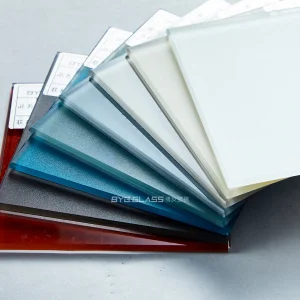
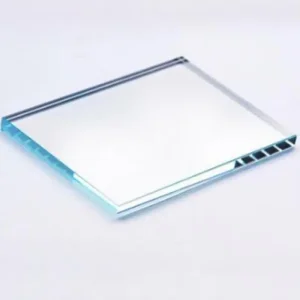
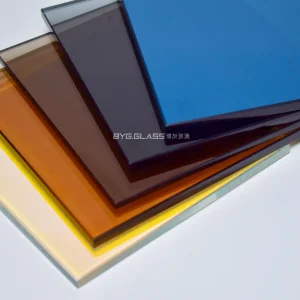
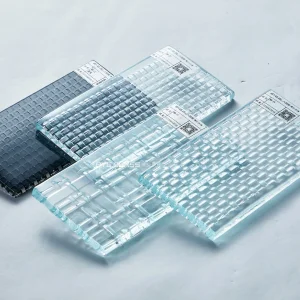
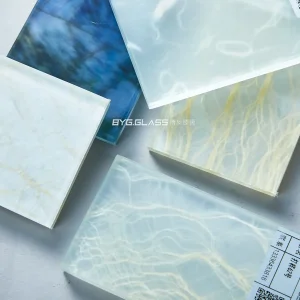
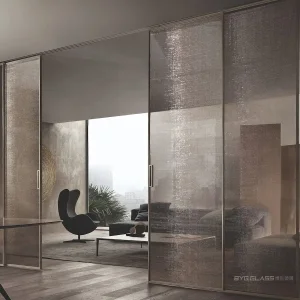
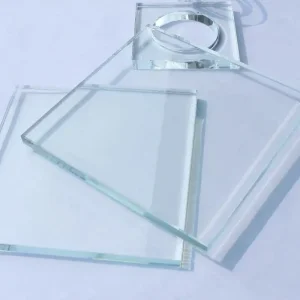
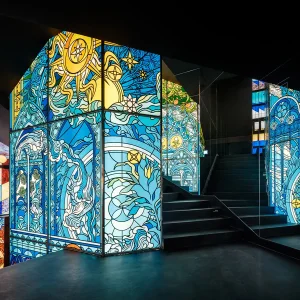
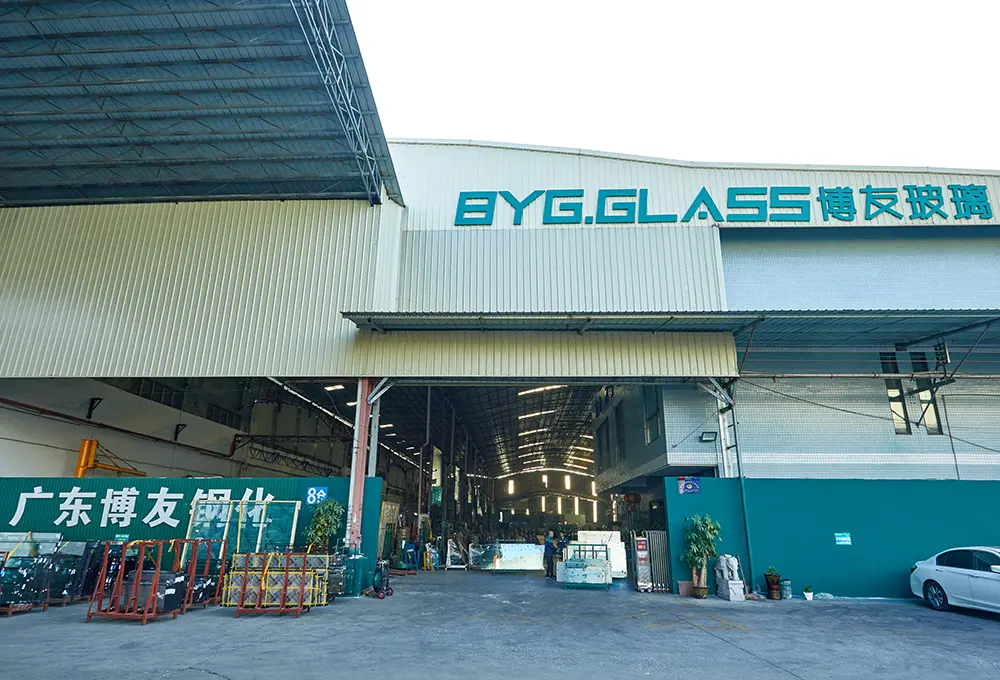
BYG.GLASS, as a large high-end glass source production enterprise, sets research and development, production and sales in one. Our expansive products cover tempered glass, insulating glass, art glass, home glass products, and other high-end architectural fields. Since our establishment in 2020, we have committed ourselves to creating all kinds of premium decorative and structural glass products for domestic and foreign high-end brand doors and windows, bathrooms, luxury home configurations, star-rated hotels, private clubs, and premier commercial decoration projects. We continuously meet diversified market demands with exquisite technology, rigorous quality testing, and exceptional structural consistency.
Our headquarters and production facility are located in Shijie East Industrial Park, N南海 District, Foshan City, Guangdong Province—the central manufacturing hub of global glass building materials. The state-of-the-art facility covers an area of more than 20,000 square meters. Adhering to the development policy of "quality is king, delivery first, service first", as well as the progressive business philosophy of "stable foundation, change and innovation", we strive to move forward in engineering excellence. By the end of 2024, Boyou successfully operated the three production divisions of tempering, hollow (insulated glass), and technology, cultivating a highly efficient management team to inject a steady stream of power for the sustainable development of the enterprise.
Understanding the technological shift toward ultra-low energy buildings, active solar control, and smart structural glazing.
What is Double Pane Insulated Glass? Often called an Insulated Glass Unit (IGU), it consists of two glass panes separated by a spacer hermetically sealed around the perimeter. The hollow space between the panes is filled with air or an inert gas like Argon, offering excellent thermal insulation, acoustic isolation, and energy savings compared to monolithic glass.
In response to international energy regulations like the EU's Energy Performance of Buildings Directive (EPBD) and ASHRAE Standard 90.1 in North America, standard double glazing is no longer sufficient. Today's commercial buildings utilize advanced Low-Emissivity (Low-E) coatings. These microscopically thin, metallic oxide layers reflect long-wave infrared heat while permitting visible light to pass through. Single-silver, double-silver, and triple-silver Low-E options allow architectural specifiers to precisely balance Visible Light Transmittance (VLT) and Solar Heat Gain Coefficient (SHGC).
To reduce thermal bridging, modern IGUs rely on warm edge spacers made of composite thermoplastic materials rather than traditional conductive aluminum. When coupled with a 90% or higher fill of Argon gas within the cavity, the overall U-value is reduced. This prevents interior condensation at the edges, ensuring high thermal performance even in sub-zero winter temperatures.
Rapid urbanization demands sound-dampening windows. The combination of differing glass thicknesses within a single IGU (e.g., 6mm outer pane and 8mm inner pane) disrupts sound waves of varying frequencies, significantly raising the Sound Transmission Class (STC) rating. Using laminated glass as one or both of the panes further maximizes sound control, making it perfect for office towers near airports or major thoroughfares.
A look at our industry-leading metrics, manufacturing technology, and logistics execution.
Full-chain quality control using premium imported raw sheets and German-made processing equipment. The flatness error is limited to ≤0.3mm, light transmittance exceeds 91%, impact resistance is 20% better than standard industry baselines, and our total finished defect rate remains ≤0.05%.
We cover customized configurations with raw glass thickness ranging from 3mm to 19mm, 12 major structural color systems, and functional integrations including bulletproof glass. Supported by smart scheduling, small customized orders can ship within 72 hours. We have successfully broken through technical limits to produce 5-meter curved glass.
Operates 3 national production bases and 6 regional warehousing centers totaling over 100,000㎡. Regular inventory turns over within 3 days. Integrated IoT tracking and trusted freight networks enable next-day delivery within a 500km radius and nationwide distribution within 48 hours.
Providing pre-selection structural consulting, mid-term onsite installation guidance, and post-warranty technical services. Our dedicated support team is available 7x24 hours to offer a consultative and highly professional experience from procurement to project completion.
Combining robotic automation, IoT logistics, and massive processing capacity to safeguard global projects.
Modern building construction moves fast, requiring reliable supply chains and consistent glass quality. BYG.GLASS leverages the principles of Industry 4.0 to guarantee production stability and competitive pricing for global buyers:
Our automated cutting tables utilize precision diamond heads and optimized nest algorithms, minimizing glass waste. The secondary sealing process is done using advanced industrial robots, ensuring uniform depth of structural sealant and reducing human error to zero.
As the glass moves along the tempering line, online laser scanners detect microscopically small scratches, bubbles, or planarity errors. If a pane deviates from our ≤0.3mm flatness tolerance, it is automatically flagged and sorted out, protecting the final shipment from flaws.
Additionally, our factory’s strategic location in Foshan, Guangdong provides direct access to deep-water shipping lanes and robust raw materials networks. This location mitigates geopolitical and transport disruptions, allowing BYG.GLASS to remain a resilient partner for B2B buyers in North America, Europe, Oceania, and Southeast Asia.
Step-by-step processing from raw glass selection, tempering, insulating, and professional logistics packaging.
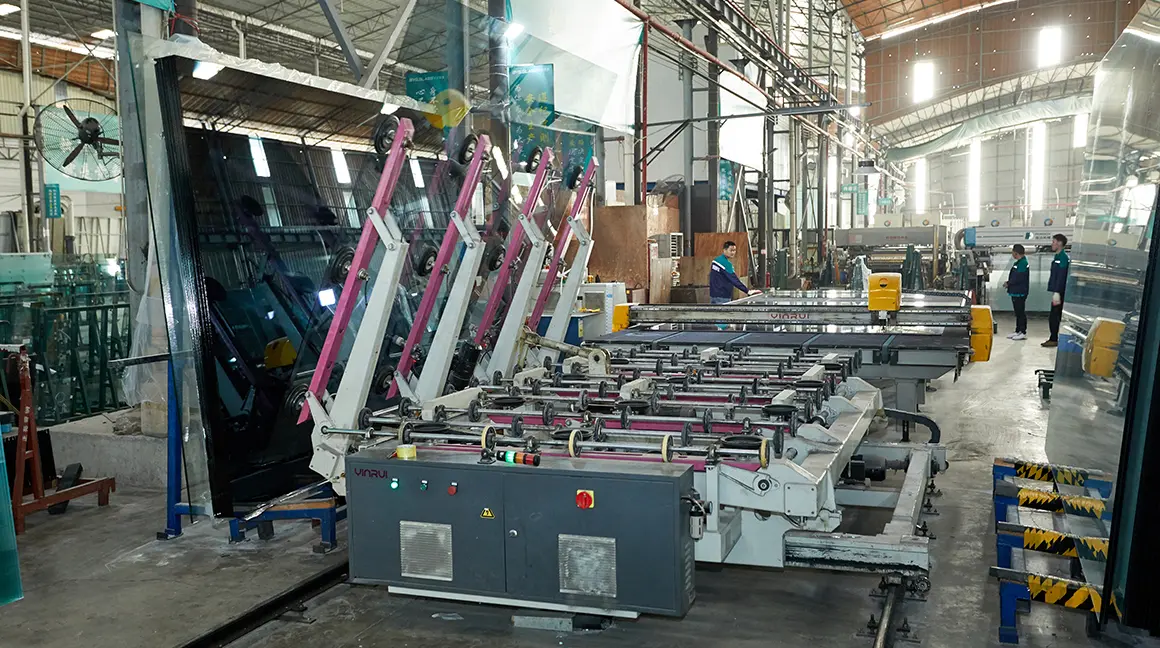
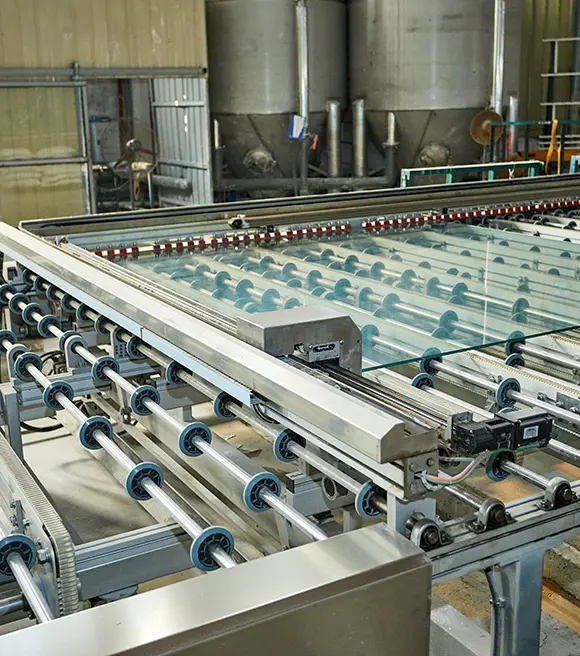
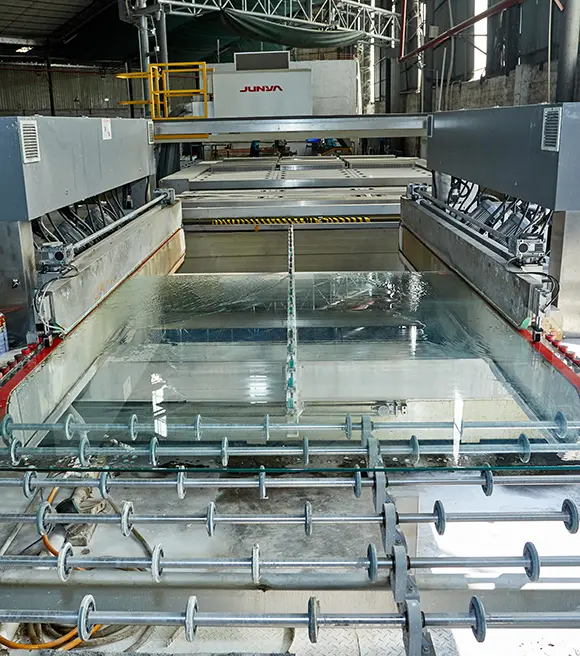
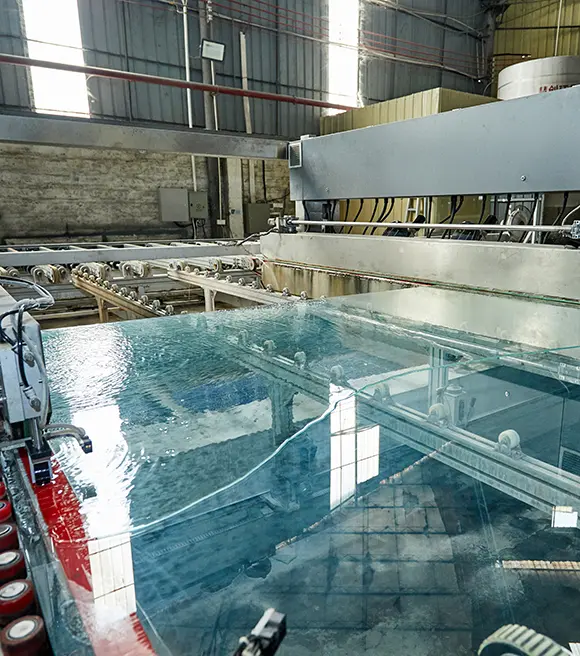
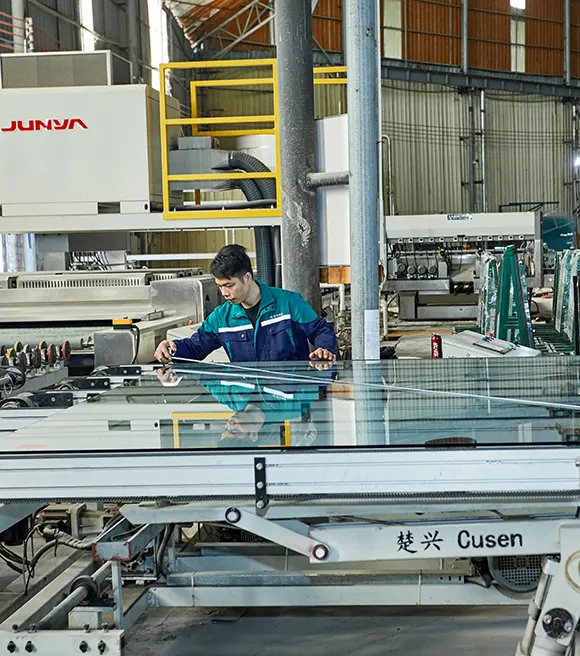
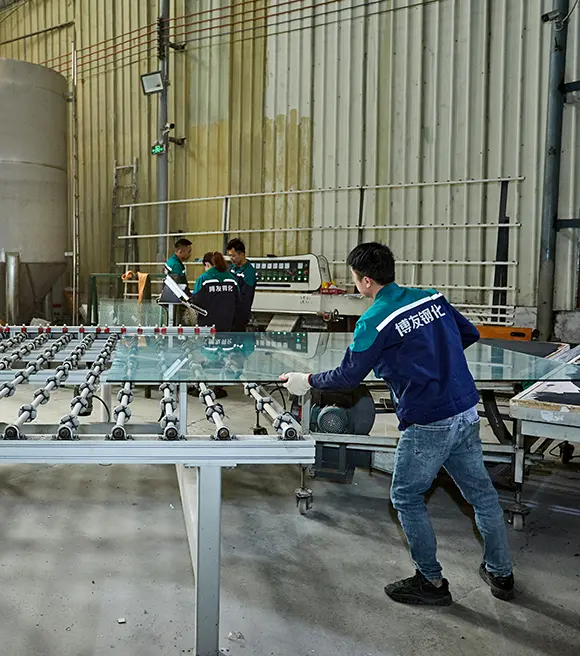
Our factory's container loading team is highly efficient, professional, and known for their precision, speed, and collaborative teamwork. Backed by extensive shipping experience, our experts handle loading processes to ensure optimal space utilization while strictly adhering to safety protocols. They pay close attention to detail, checking cargo lists to prevent packing errors, and operating advanced loading equipment to safeguard glass integrity during sea transit. Whether handling urgent custom projects or complex bulk orders, our logistics team adapts swiftly to meet project deadlines. Their commitment and cooperation make them a dependable force in the logistics chain, ensuring reliable delivery for customers worldwide.
How BYG.GLASS tailors double pane insulated units to match regional climate challenges and architecture codes.
Requires ultra-low U-values to minimize heating loss. Recommended configurations: Low-E double glazing with Argon gas filling and Warm Edge Spacers to prevent heat loss and perimeter condensation.
Demands low SHGC (Solar Heat Gain Coefficient) coatings. Reflective or double-silver Low-E coatings block solar heat radiation, keeping interiors cool and reducing heavy air conditioning loads.
Demands robust mechanical strength. Incorporating laminated glass and tempered safety glass into the double pane IGU configuration prevents wind shear damage and resists impact from flying debris.
Clear, technical explanations about performance metrics, longevity, and structural safety of double pane insulated glass.
Internal fogging indicates a seal failure. BYG.GLASS utilizes a dual-seal barrier system. The primary seal is Polyisobutylene (PIB), which provides excellent moisture resistance. The secondary seal, made of structural silicone or polysulfide, offers mechanical strength. Additionally, desiccant materials inside the spacer draw moisture out of the air cavity to keep the dew point below -40°C.
Under normal environmental exposure, a high-quality IGU manufactured under strict quality standards lasts between 15 to 25 years. The longevity depends on sealant quality, correct glazing channel installation, and drainage design. Poor window drainage that traps standing water against the primary seal will accelerate sealant breakdown.
Yes. Argon gas has lower thermal conductivity than air (roughly 67% of air's conductivity). Filling the hollow spacer chamber with 90% or more Argon gas improves thermal performance, lowering the U-value by roughly 15-20% and reducing long-term energy consumption.
Shipping glass across high altitudes causes air pressure differences, making the glass pane bow inward or outward, which can cause cracking. To prevent this, BYG.GLASS installs capillary tubes in the spacer. These tubes allow pressure to equalize during transport and are sealed at the final installation altitude.
The difference lies in the number of microscopic silver layers sputter-coated onto the glass surface. Each silver layer increases the glass's capacity to block solar heat (infrared radiation) while keeping it transparent to visible light. Triple-silver Low-E offers the highest selectivity index, delivering excellent light levels with minimal heat gain.
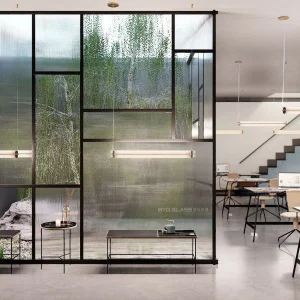
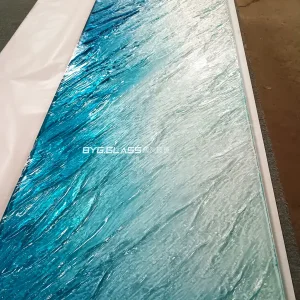
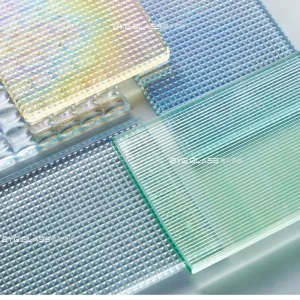
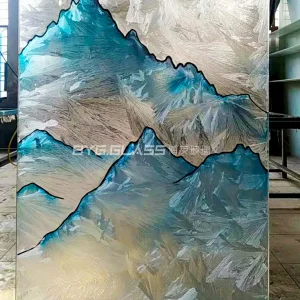
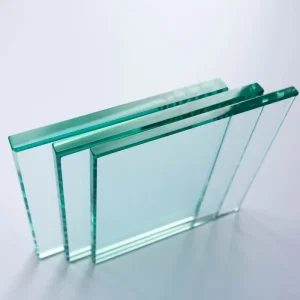
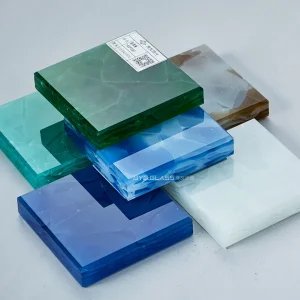
From advanced safety laminates and security wired glass to digital prints and stained custom facade glass panels.
 BYG.GLASS