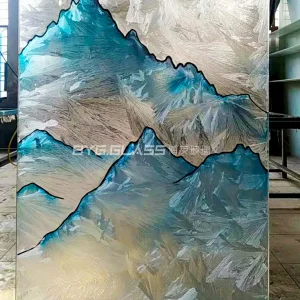
The Technical Mastery Behind Wholesale Antique Stained Glass
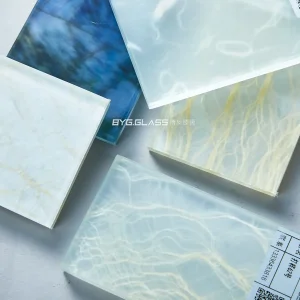
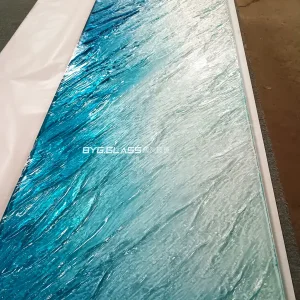
Deep diving into the manufacturing process, our factory utilizes the "Lost Art" techniques of glass blowing and manual etching, enhanced by modern precision automation. The production of "Antique" glass in a wholesale environment is a challenge of consistency. When a developer orders 500 units for a historic hotel restoration in London or New York, they require the "Seed and Straw" texture—tiny air bubbles and slight striations characteristic of 19th-century glass—but with the tempered strength of modern safety glass.
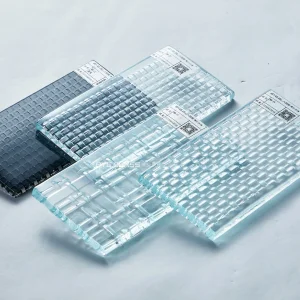
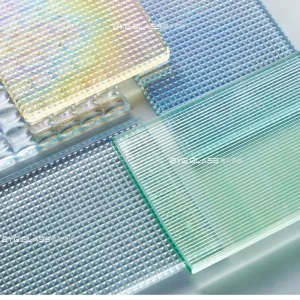
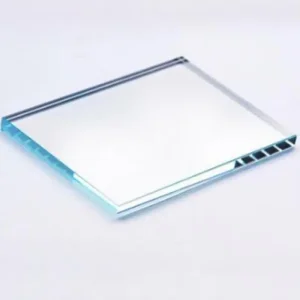
Our R&D team has developed proprietary methods to introduce these "controlled imperfections." By using high-precision kiln firing and thermal tempering, we can create glass that passes all modern impact tests (ANSI Z97.1) while retaining the visual aesthetic of a hand-made masterpiece. This is why we are the preferred stained glass factory for architects who refuse to compromise on either beauty or building codes.
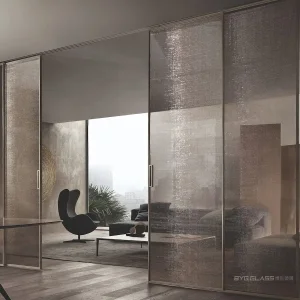
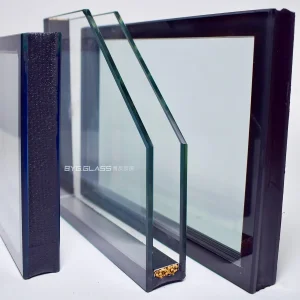
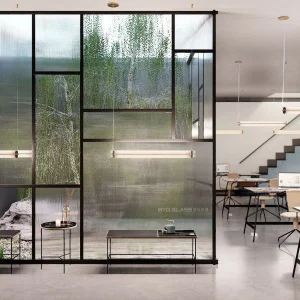
Furthermore, the global shift toward Green Architecture has placed "Antique" glass in a new light. Glass is no longer just a barrier; it is an active component of a building's energy management. Our Insulated Glass Units (IGU) can incorporate an antique decorative outer pane with a High-Performance Low-E inner pane. This allows for the classical look of a Victorian manor with the energy profile of a modern LEED-certified office building. This dual-purpose utility is a core driver of our wholesale success in North American and Northern European markets.
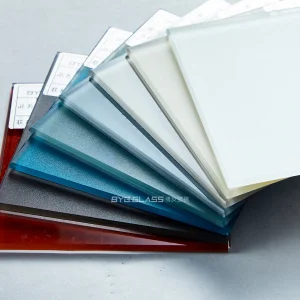
Sourcing from China also provides unparalleled access to rare raw materials. From cobalt blues to rich ruby reds made with actual gold chloride, our color palette is virtually limitless. Our quality control laboratory tests every batch of glass for color consistency using spectrophotometers, ensuring that the "Antique Amber" you order this year will match the shipment you receive next year. This long-term reliability is why we maintain a 98% client retention rate among global procurement agencies and design firms.
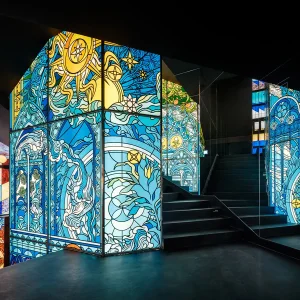
As the industry evolves, we are also leading the charge in Digital Ceramic Frit Technology. This allows us to scan original antique windows—some hundreds of years old—and reproduce their patterns onto safety glass with microscopic accuracy. This technology is vital for heritage conservation projects where original glass is too fragile for modern use. By bridging the gap between historical art and industrial manufacturing, BYG.GLASS ensures that the legacy of stained glass continues to illuminate our world well into the future.
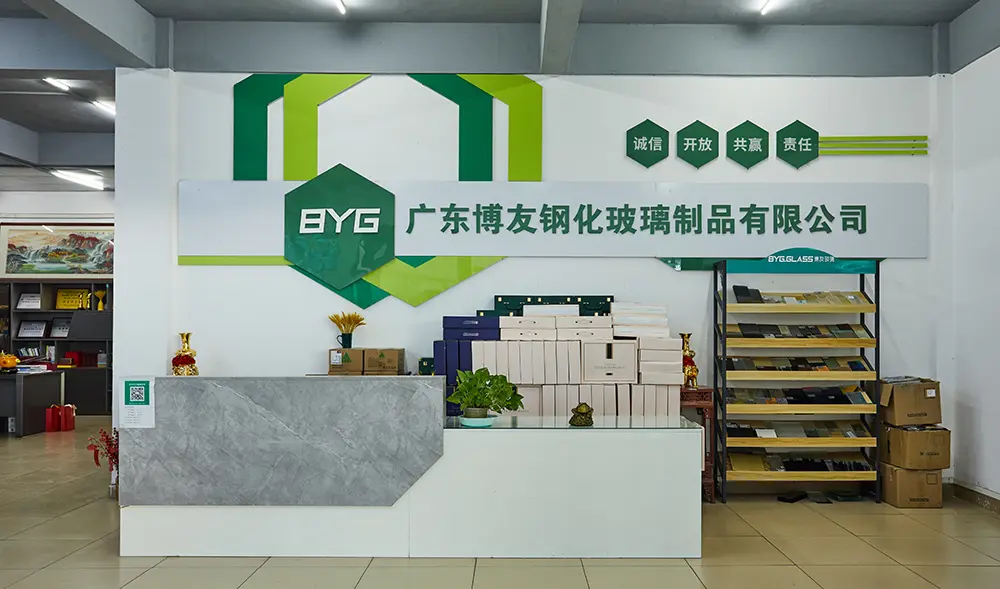
 BYG.GLASS