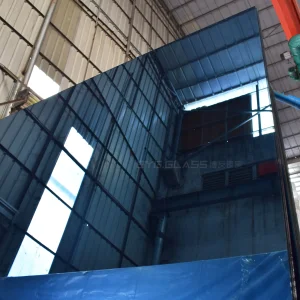
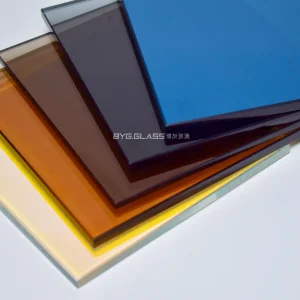
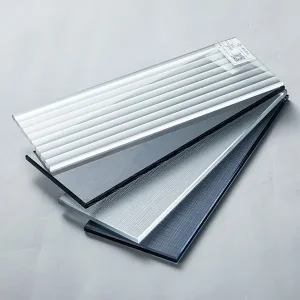
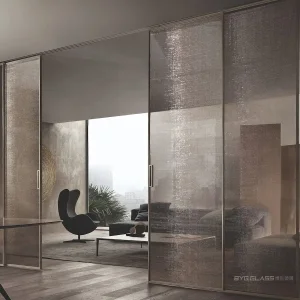
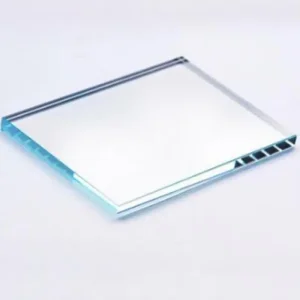
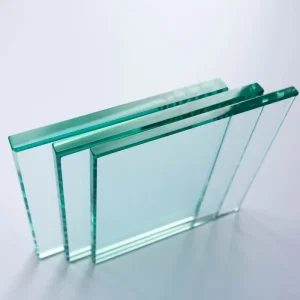
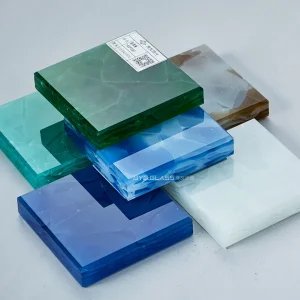
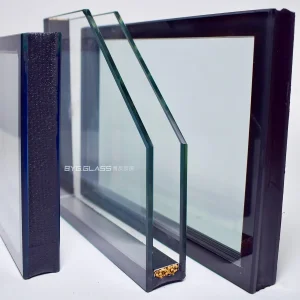
The global Low-E (Low Emissivity) glass market is currently witnessing an unprecedented surge, driven by stringent environmental regulations and the universal push for "Net Zero" carbon emissions in the construction sector. Wholesale Low E coating factories are no longer mere glass suppliers; they have become critical tech-partners in modern architectural engineering. In regions like North America and Europe, building codes such as the International Energy Conservation Code (IECC) and the EU Energy Performance of Buildings Directive (EPBD) have made the use of Low-E coatings virtually mandatory for new commercial and residential projects.
Low-E glass works by reflecting infrared light (heat) while allowing visible light to pass through. This dual capability ensures that buildings stay cool in the summer and warm in the winter, reducing HVAC energy consumption by up to 30-50%. As a result, the market valuation is projected to exceed billions of dollars by 2030, with a significant growth trajectory in the Asia-Pacific region, led by massive urbanization projects in India and Southeast Asia.
The transition from passive Low-E to active "smart" glass is the next frontier. Electrochromic and thermochromic coatings are being integrated with AI building management systems (BMS) to automatically adjust tint levels based on real-time solar intensity, optimizing occupant comfort without human intervention.
Low E coating factories are now pairing high-performance coatings with vacuum insulation technology. This combination offers the insulation power of a brick wall in the thickness of a single pane of glass, which is revolutionary for the retrofitting of historical buildings where frame space is limited.
Manufacturing trends are shifting towards eco-friendly production. Modern magnetron sputtering chambers utilize recycled rare metals and operate on renewable energy sources, significantly lowering the embodied carbon of the glass before it even leaves the factory.
Large-scale construction firms and window manufacturers have specific, high-level requirements when selecting a wholesale Low E coating factory. It is not just about price; it’s about spectral selectivity. Enterprises today demand glass with a high Light-to-Solar Gain (LSG) ratio, ensuring maximum daylighting without the heat gain.
Whether it is for the glass curtain walls of a skyscraper in Dubai or the triple-glazed windows for a residential project in Norway, procurement teams look for consistency in color, durability of the soft-coat, and the ability to temper the glass without damaging the delicate silver layers.
For high-rise office towers, our Low-E coatings reduce the "urban heat island" effect, reflecting solar radiation back into the atmosphere while keeping interior cooling costs low.
Homeowners benefit from Low-E glass through protected interiors (no UV fading on furniture) and stable year-round temperatures, increasing property value and comfort.
Energy-efficient Low-E glass is used in supermarket display cases to prevent condensation and keep food cold with minimal energy expenditure.
The latest electric vehicles (EVs) utilize Low-E coatings in sunroofs to reduce the drain on batteries from air conditioning systems.
As a leading Chinese glass manufacturer, BYG.GLASS integrates the entire supply chain from raw float glass to complex coating processes. Our factory utilizes state-of-the-art Magnetron Sputter Vacuum Deposition (MSVD) technology. This allows us to apply multiple layers of silver and dielectric materials with atomic-level precision.
Our commitment to excellence ensures that every pane of glass meets international standards (CE, ASTM, AS/NZS). By sourcing directly from our Chinese factory, global clients eliminate middleman costs while gaining access to "Tier 1" quality materials that are customized to their specific regional climate needs.
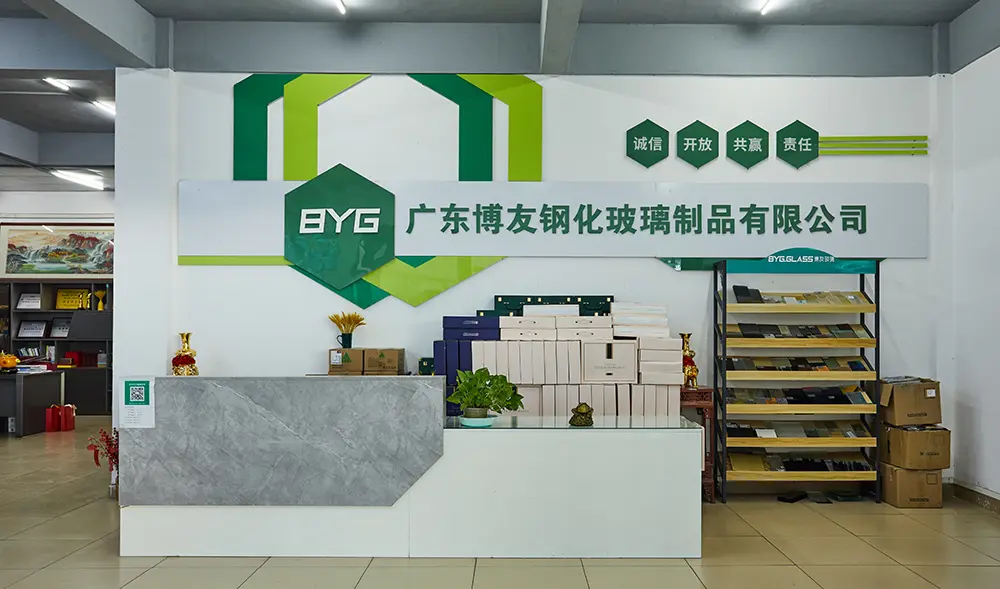
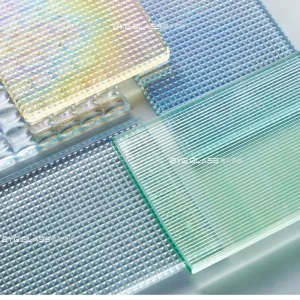
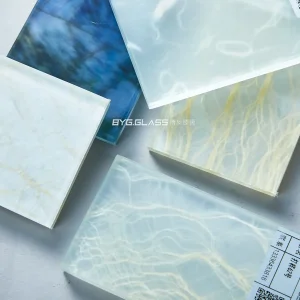
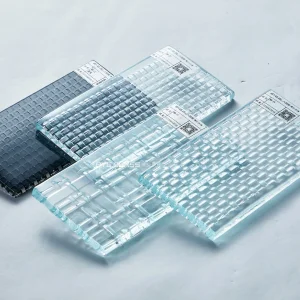
BYG.GLASS, as a large high-end glass source production enterprise, set research and development, production and sales in one, its products cover tempered glass, insulating glass, art glass and home glass products and other fields.
Since its establishment in 2020, it has always been committed to creating all kinds of high-end decorative glass products for domestic and foreign high-end brand doors and Windows, bathroom, high-end home, star hotels, high-end clubs and decoration projects, etc., to meet the diversified market demand with exquisite technology and excellent quality.
BYG.GLASS is always closely aligned with the pulse of the market and accurately captures changes in consumer demand. From the initial focus on the field of doors and Windows, gradually expand business boundaries, and now has formed a full series of product system, can provide customers with one-stop matching services. The company is committed to becoming the industry leader in the industry and trade integration industry of high-end brand doors and Windows, bathroom and custom home.
When searching for a Wholesale Low E Coating Factory, it is vital to understand the technical nuances between "Hard Coat" (Pyrolytic) and "Soft Coat" (Sputtered) technology. Hard coats are applied during the float glass manufacturing process. They are extremely durable and can be handled like standard glass, but they offer lower thermal performance. Soft coats, which BYG.GLASS specializes in, are applied offline in a vacuum chamber. These coatings offer superior U-values and are the gold standard for energy efficiency.
The "Emissivity" part of Low-E refers to the glass's ability to emit radiant heat. Standard clear glass has an emissivity of 0.84, while high-performance Low-E glass from a reputable factory can have an emissivity as low as 0.02. This means 98% of the long-wave infrared heat is reflected back into the room during winter. This level of performance is critical for meeting the Passive House standard, which is becoming the benchmark for sustainable building worldwide.
Furthermore, the choice between Single Silver, Double Silver, and Triple Silver coatings depends on the geographic location. For tropical climates, a "solar control" Low-E is preferred to block out the sun's scorching heat (low SHGC). In colder climates, a "high-gain" Low-E might be used to allow some solar heat to warm the building naturally during the day while preventing it from escaping at night. Our factory engineers work closely with architects to simulate these performances before production begins.
The durability of Low-E glass has also seen massive improvements. In the past, soft coatings were prone to oxidation if not sealed immediately into an Insulated Glass Unit (IGU). However, modern protective layers and advanced "edge deletion" techniques used in our factory have significantly extended the shelf life and structural integrity of the coated panes. This reliability is why BYG.GLASS has become a trusted partner for major infrastructure projects across the globe.
Sourcing from a Chinese glass factory offers the unique advantage of rapid prototyping. In the fast-paced world of commercial construction, waiting months for glass samples is not an option. Our integrated R&D facility can produce custom coating samples in a fraction of the time required by Western competitors, without compromising on the rigorous testing required for safety and longevity. This agility, combined with our strategic location near major shipping ports, ensures that your project stays on schedule and under budget.
 BYG.GLASS