 BYG.GLASS
🏙️ The Evolution of Architectural Glass in the Tunis Economic Corridor
Tunisia, particularly the vibrant metropolis of Tunis, is currently undergoing a structural transformation in its urban landscape. As a gateway between Africa and Europe, the demand for high-end architectural materials has shifted from traditional masonry to sophisticated glass facades. The modern architecture in districts like Les Berges du Lac and Gammarth reflects a growing preference for transparency, energy efficiency, and safety.
For glass manufacturers and factories serving Tunis, the challenge is twofold: providing aesthetic brilliance that complements the Mediterranean light while ensuring thermal insulation that stands up to the North African sun. Laminated Safety Glass has emerged as the gold standard in this region, driven by new building codes emphasizing seismic resilience and sound dampening for urban commercial hubs.
🏗️ Laminated Glass: The Backbone of Tunis’s Industrial & Commercial Growth
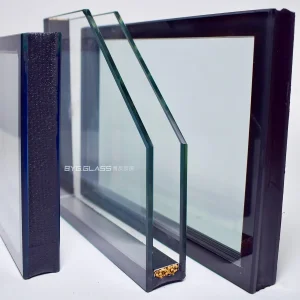
In the industrial sector of Tunis, laminated glass is no longer just a luxury; it is a regulatory requirement for safety and security. Whether it is for the vast shopping malls of Tunis City or the high-security bank headquarters, the PVB (Polyvinyl Butyral) interlayer technology provides a fail-safe mechanism. Even if the glass breaks, the fragments adhere to the interlayer, preventing injury and maintaining the building envelope's integrity.
Furthermore, the Acoustic Insulation properties of laminated glass are vital for the hospitality sector in Tunis. Luxury hotels along the coast utilize multi-layered laminated units to ensure that guests enjoy panoramic views without the intrusion of noise from busy coastal thoroughfares.