 BYG.GLASS
Engineered for high solar performance, aesthetic excellence, and environmental resilience.
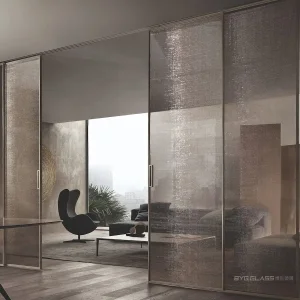
Established as a global pioneer in architectural glass engineering, BYG.GLASS integrates cutting-edge Research & Development, world-class manufacturing facility control, and regional supply chain logistics. Operating from our central facility spanning over 20,000 square meters, we engineer custom solutions for commercial high-rises, luxury safari lodges, coastal infrastructure, and high-end residential estates across the globe and particularly within Sub-Saharan Africa.
By the end of 2024, our group successfully commissioned three advanced operational divisions: structural glass tempering, high-performance insulated glass units (IGU), and micro-pattern technology. Our specialized production routes service the high demands of regional distribution, ensuring that architects, structural engineers, and contractors in Namibia receive products engineered specifically for their unique regional conditions.
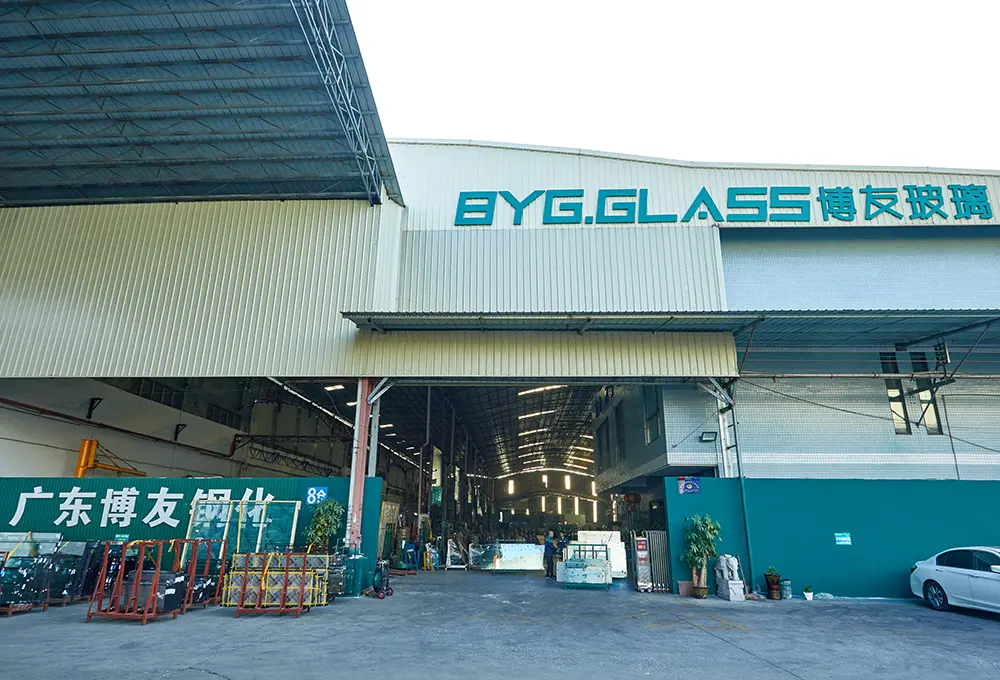
Our solutions for Namibia focus on high diurnal temperature swings (desert nights to high sun indexes) and marine coastal environment degradation protection. Read our full technological breakdown below.
Understanding regional climate stresses, supply bottlenecks, and specialized engineering requirements.
Namibia presents architectural designers with a highly demanding set of climatic and physical constraints. From the hyper-arid microclimate of the Namib Desert (experiencing diurnal temperature shifts from sub-zero winter nights to 45°C daylight peaks) to the high-salinity, corrosive fog environments of Walvis Bay and Swakopmund, basic architectural glass specifications are prone to early degradation, thermal stress fractures, and optical deterioration. BYG.GLASS has optimized its material engineering parameters to directly counter these regional stressors.
| Namibian Zone | Environmental Stresses | Failure Mode of Standard Glass | BYG.GLASS Engineering Solution | |
|---|---|---|---|---|
| Desert Interior (e.g., Windhoek, Sossusvlei) | Extreme UV Index (11+), diurnal temperature fluctuations up to 40°C. | Thermal shock fracturing, fading of colored interlayers, high heat gain. | Tempered safety glass with custom solar control coatings & ceramic frit patterns. | |
| Coastal Corrosive (e.g., Walvis Bay, Swakopmund) | High sodium chloride mist, dense persistent humidity, sand abrasion. | Salt-crust adhesion, structural clouding, physical scratching of surface coatings. | Fine oil sand glass & easy-to-clean hydrophobic protective glazes with high scratch resistance. | |
| Urban Institutional (e.g., Windhoek Central) | High-altitude glare, acoustics and solar transmission optimization requirements. | Excessive internal heat loads, visual discomfort from solar reflection. | Anti-Glare (AG Glass) treatments combined with double/triple silver Low-E IGUs. |
Our company leverages local compliance benchmarks, ensuring our custom structural glass meets the stringent safety and wind-load performance metrics dictated by local construction frameworks. By integrating advanced Chinese manufacturing capabilities with local site context, we bypass traditional sourcing delays at the South African border, delivering direct-to-port shipments straight into Walvis Bay.
Precision-engineered in Foshan for high-end international architectural requirements.
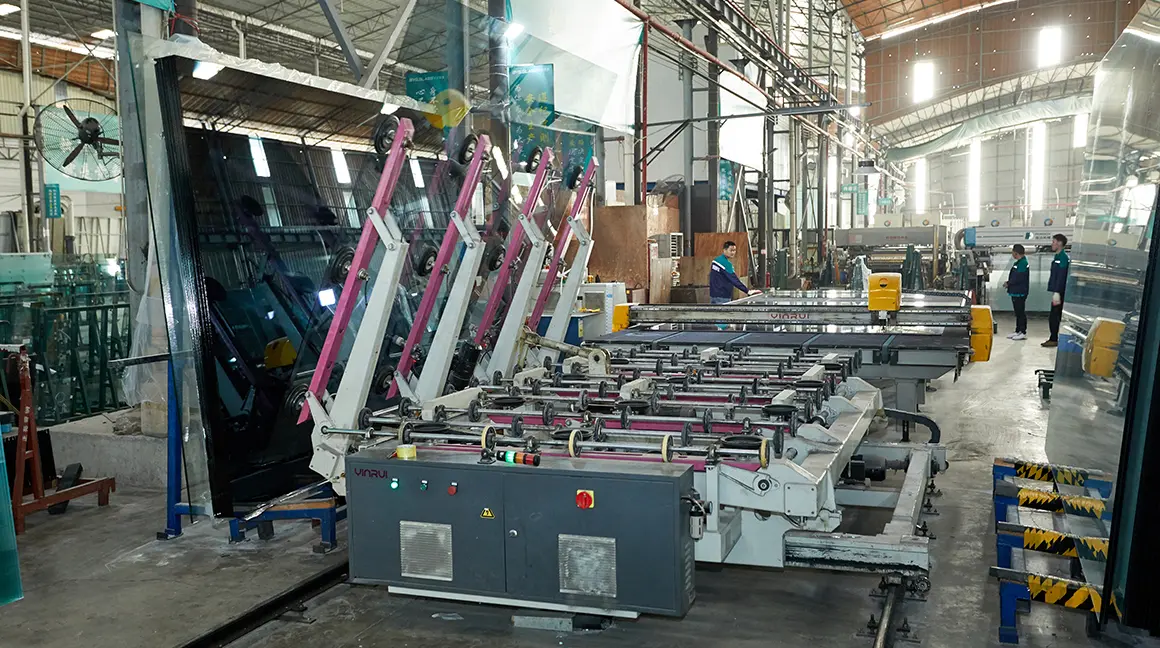
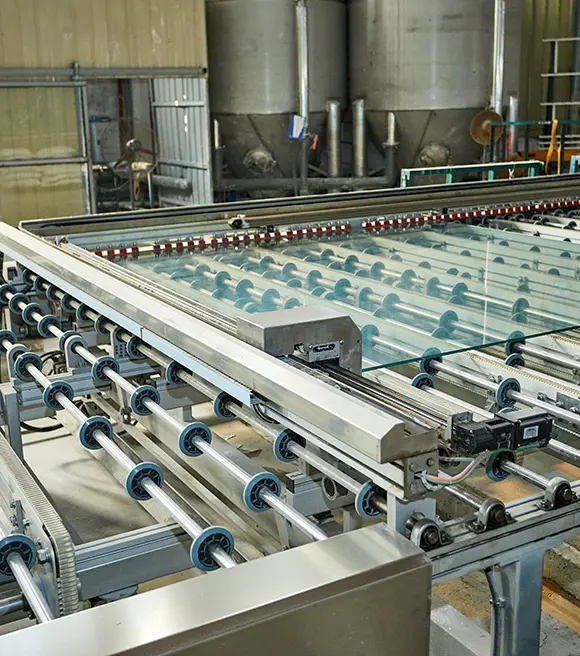
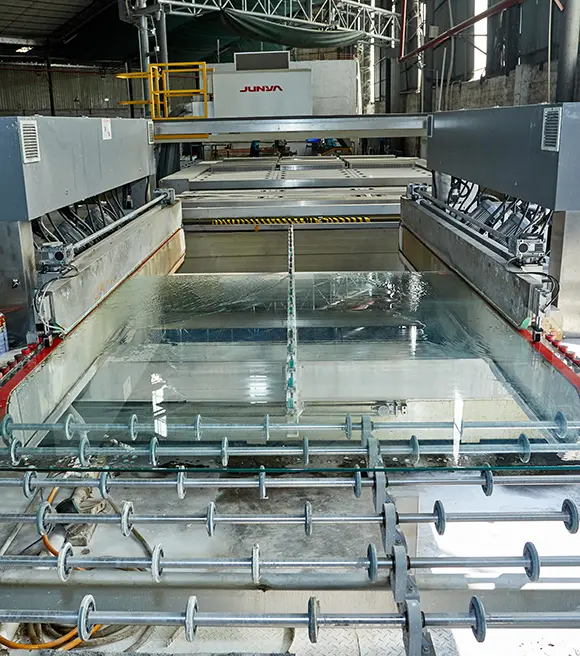
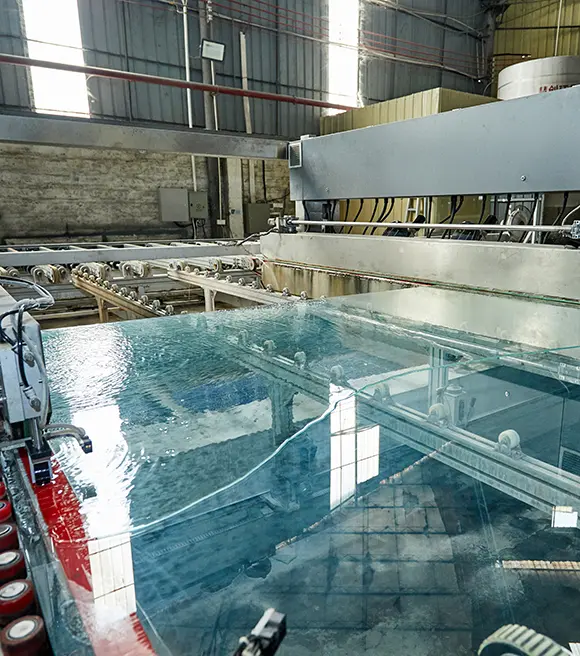
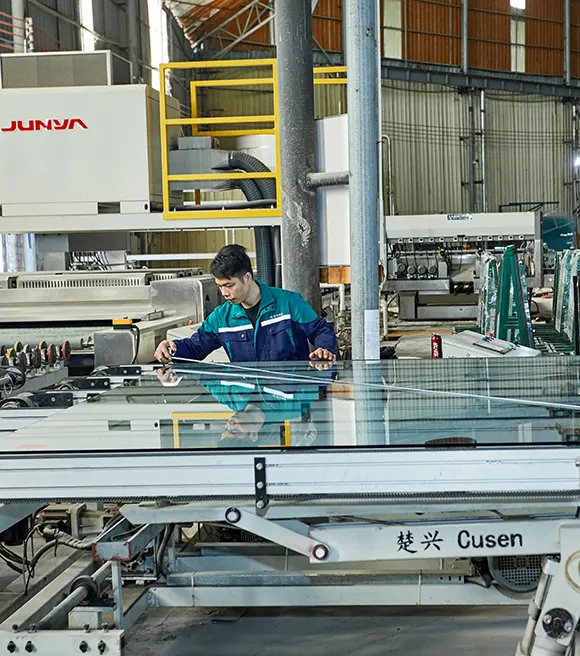
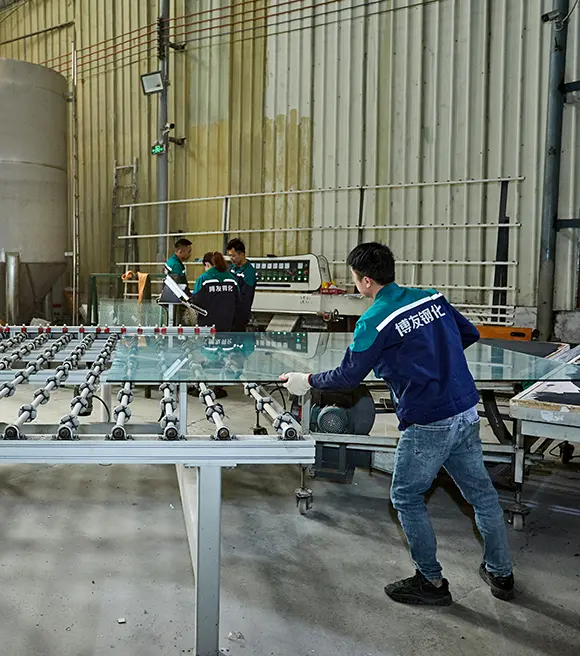
BYG.GLASS operates a highly experienced and professional container loading division. Our team is trained in maritime shipping stabilization, optimizing spaces inside the container while building heavily reinforced heat-treated wooden crates to avoid damage on the route from our factories to the Port of Walvis Bay. Meticulous checksheets and IoT logistics tracking ensure that order integrity is maintained, offering a secure transport loop from China directly to your building site in Windhoek or Swakopmund.
Speak to our structural engineers to customize your solar coefficients, glass thicknesses, laminates, and artistic finishes for Namibian building projects.
Send Inquiry NowEngineered to satisfy high-level aesthetic designs, thermal comfort, and safety specifications.
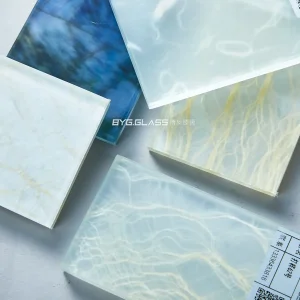
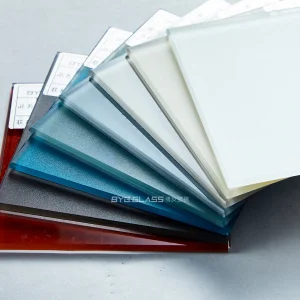
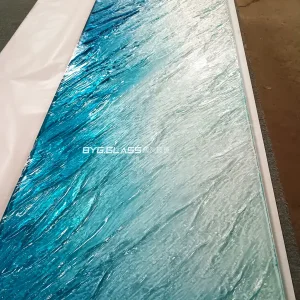
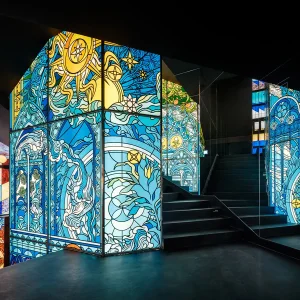
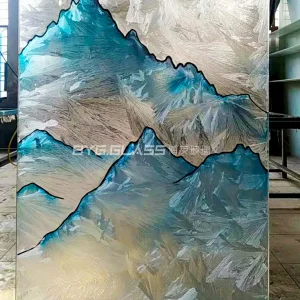
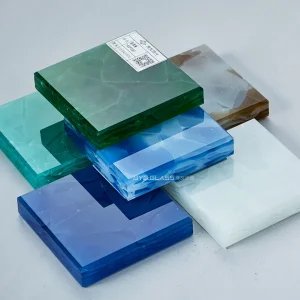
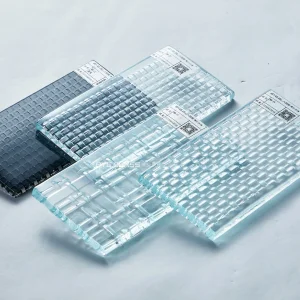
High-transmittance, active tinting, and safety hot-bent glass options designed to complete global architectural packages.
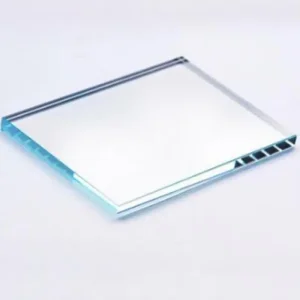
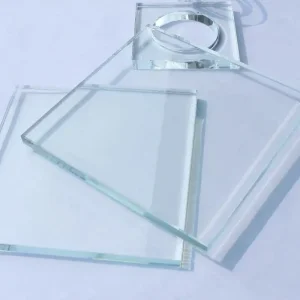
When engineering architectural art glass for Sub-Saharan environments, standard glass solutions often fail to meet requirements due to optical and mechanical thermal degradation. The engineering team at BYG.GLASS designs custom processing routes that focus on durability, optical performance, and security.
In dry desert regions like Windhoek and Sossusvlei, solar radiation values routinely peak past 1,000 W/m². When glass surfaces are partially shaded, huge temperature disparities arise across the pane, creating deep internal stresses. Our convection tempering furnace controls temperature distributions, keeping flatness deviations below ≤0.3mm while ensuring even mechanical stress distribution. This reduces spontaneous structural failures caused by thermal shock.
Standard organic ink films degrade and flake when exposed to high UV levels. BYG.GLASS utilizes inorganic ceramic color frits fused to the glass matrix at 700°C. This chemical bonding process creates an ultra-durable, weather-sealed layer that is resistant to fade, peel, or scratch, even when exposed to high solar conditions.
In Swakopmund and Walvis Bay, salt-mist crusting can permanently cloud glass facades. Our structural architectural glass can be configured with an advanced, thin-film hydrophobic fluorosilicone treatment. This low-surface-energy coating prevents mineral salts from anchoring to the silica substrate, allowing rain or basic rinsing cycles to keep the glass clean.
Our double-glazing configurations achieve a solar heat gain coefficient (SHGC) down to 0.28, which reduces building HVAC energy usage in the warm climates of northern and central Namibia.
Laminated PVB/SGP interlayers provide an acoustic reduction coefficient (Rw) of up to 42dB, making them ideal for commercial office developments along major Windhoek thoroughfares.
Answers to common questions from architects, quantity surveyors, and developers regarding delivery, installation, and compliance.
Yes. Our glass products conform to South African National Standards (SANS 10400 Parts N & XA), which are widely implemented across Namibia. We provide complete certification documentation for load testing, thermal parameters, and impact safety class specifications with every order.
Once custom shop drawings are signed off, our factory takes 14 to 21 days for production (depending on structural processing complexity). Maritime shipping from Shenzhen/Guangzhou ports to Walvis Bay takes approximately 28 to 35 days. We handle customs documentation and provide clear bill of lading transfers.
We use heavy-duty, heat-treated solid wood crates designed for marine transport. Individual glass panes are separated using shock-absorbing cork pads or polymer films, and securely clamped. Containers are packed and braced using steel straps to prevent movement during rough sea transit.
Absolutely. We can print ceramic patterns on Surface #2 of a double-glazed insulated glass unit (IGU) while applying a spectrally selective Low-E coating to Surface #3. This combination provides custom decorative patterns while keeping thermal performance high.
From Windhoek commercial projects to coastal resorts, we deliver precision-engineered, high-durability architectural glass solutions direct from our modern manufacturing facilities.
Send Inquiry Now