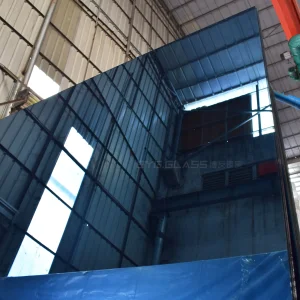
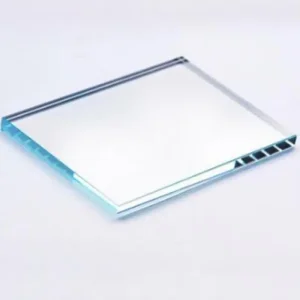
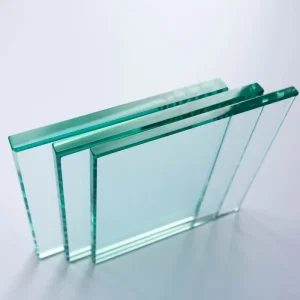
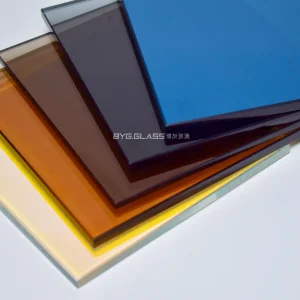
Thailand has solidified its position as a central hub for float glass manufacturing in Southeast Asia. Driven by a robust construction sector and the strategic Eastern Economic Corridor (EEC) development, the industry has transitioned from basic production to high-tech, AI-integrated manufacturing. Today, Float Glass Manufacturers & Factories in Thailand are not merely supplying materials; they are providing engineered solutions for modern urban landscapes.
The "Detroit of the East," as Thailand is often called for its automotive prowess, relies heavily on locally produced float glass for vehicle windshields and windows. This synergy between the automotive and glass industries has pushed Thai factories to adopt rigorous international quality standards, including ISO 9001 and specialized safety certifications for global export markets.
In the competitive arena of Float Glass Factories in Thailand, technology is the great differentiator. Modern Thai production lines utilize AI-powered visual inspection systems. These cameras scan every square inch of glass as it emerges from the lehr, detecting microscopic bubbles, stones, or distortions that the human eye might miss. This ensures a 99.9% yield of Grade-A architectural glass.
Furthermore, automated cutting and logistics systems have reduced waste significantly. By using advanced optimization algorithms, factories can plan the "nesting" of glass orders on large master sheets, minimizing off-cuts and reducing the environmental footprint—a key trend in the era of sustainable construction.
Thailand’s tropical climate demands glass that can handle intense heat and UV radiation. Consequently, there is a massive shift toward Low-Emissivity (Low-E) glass. Thai manufacturers are now specializing in "Triple Silver" coatings that offer incredible insulation properties. By reflecting infrared light while letting in visible light, these glass products reduce building cooling costs by up to 30%.
Vertical forests and sustainable skyscrapers in Bangkok’s "One Bangkok" or "The Forestias" projects are prime examples of where high-performance float glass from local factories is being applied to meet LEED and WELL building standards.
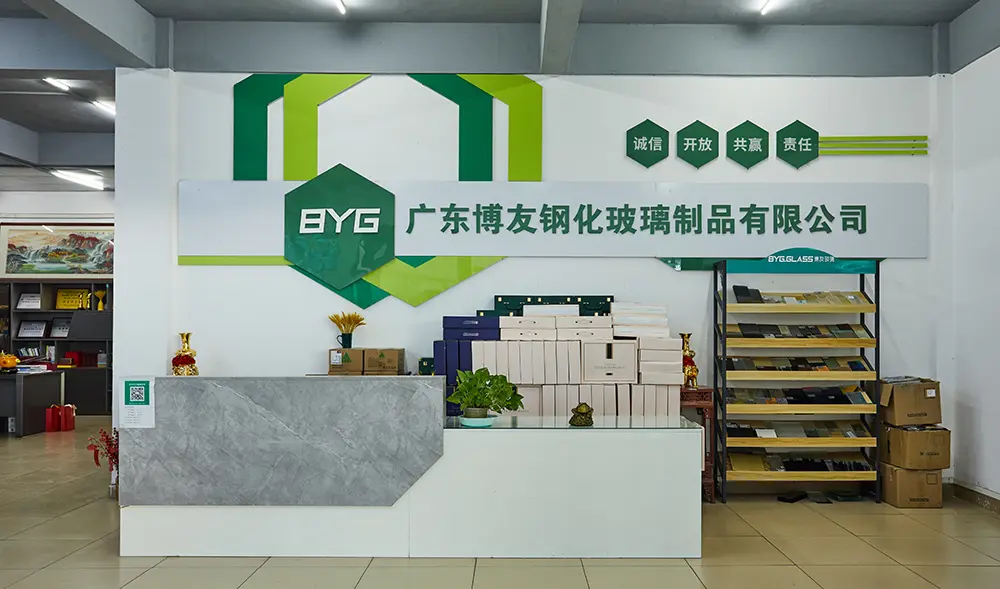
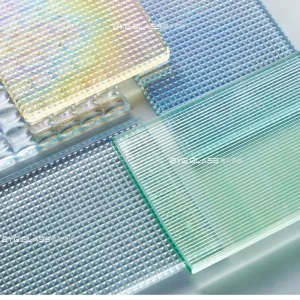
BYG.GLASS , as a large high-end glass source production enterprise, set research and development, production and sales in one, its products cover tempered glass, insulating glass, art glass and home glass products and other fields.
Since its establishment in 2020, it has always been committed to creating all kinds of high-end decorative glass products for domestic and foreign high-end brand doors and Windows, bathroom, high-end home, star hotels, high-end clubs and decoration projects, etc., to meet the diversified market demand with exquisite technology and excellent quality.
BYG.GLASS is always closely aligned with the pulse of the market and accurately captures changes in consumer demand. From the initial focus on the field of doors and Windows, gradually expand business boundaries, and now has formed a full series of product system, can provide customers with one-stop matching services. The company is committed to becoming the industry leader in the industry and trade integration industry of high-end brand doors and Windows, bathroom and custom home.
The versatility of float glass produced in Thailand allows it to serve various specialized sectors across the kingdom:
The future of Float Glass Manufacturers & Factories in Thailand is intrinsically linked to the "Smart City" initiatives. We are seeing a move toward Electrochromic Glass (Smart Glass) that can change opacity with a smartphone app or based on sunlight intensity. This is particularly relevant for the next generation of eco-friendly offices in Bangkok.
Additionally, the integration of BIPV (Building Integrated Photovoltaics)—where glass windows also act as solar panels—is an emerging field that Thai glass researchers are exploring. As Thailand pushes for a carbon-neutral future, the glass factory of tomorrow will not just be a consumer of energy but a producer of green solutions.
 BYG.GLASS