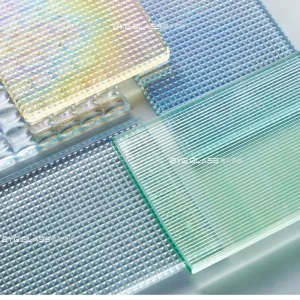
The Future of Float Glass Innovation
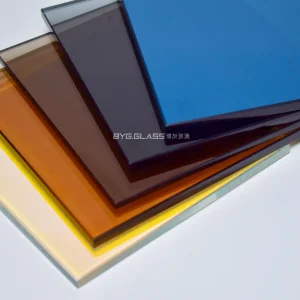
The Belgian glass sector is currently seeing a surge in Building Integrated Photovoltaics (BIPV). Manufacturers are no longer just producing transparent barriers; they are producing energy-generating assets. As a leading supplier to the region, understanding the interplay between transparency and energy yield is paramount. In cities like Namur, new administrative buildings are utilizing tinted float glass with integrated solar cells, a trend that is rapidly spreading across Europe.
Localized Application Scenarios in Belgium
1. Renovation of Historic Brussels Warehouses: Modernizing industrial heritage requires ultra-clear, high-strength tempered glass that preserves the aesthetic while meeting modern insulation standards.
2. High-Tech Greenhouses in Flanders: Belgium's agricultural tech sector demands specialized float glass with specific light diffusion properties to maximize crop yields under Northern European skies.
3. Antwerp Port Infrastructure: Heavy-duty, corrosion-resistant glass is essential for the logistics hubs surrounding one of Europe's largest ports, where salt spray and high winds are daily challenges.
Technical Evolution: AI and Glass Manufacturing
The integration of Artificial Intelligence in the production of float glass has revolutionized yield and quality. By using neural networks to monitor the cooling process (the "Lehr"), manufacturers can eliminate microscopic stresses that lead to spontaneous breakage. For Belgian contractors, this means a significantly lower failure rate on-site. Furthermore, AI-optimized cutting patterns have reduced glass waste by nearly 15%, aligning perfectly with the Belgian mandate for sustainable industrial practices.
 BYG.GLASS