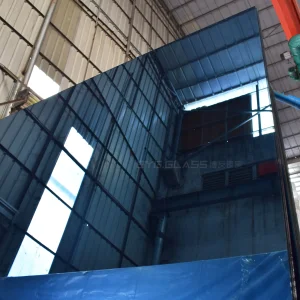
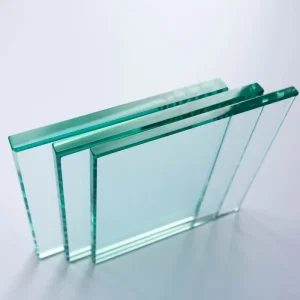
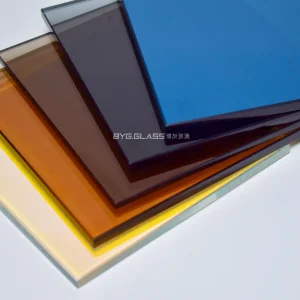
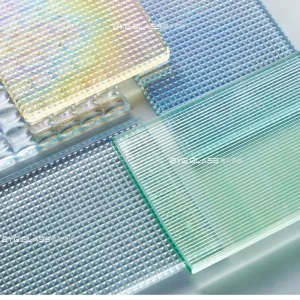
Tokyo, the heartbeat of Japan’s construction and technological innovation, stands as a global titan in the high-end glass market. As the city continues to redefine its skyline—stretching from the luxury boutiques of Ginza to the towering commercial hubs of Shinjuku and Roppongi—the demand for premium float glass has reached unprecedented levels. In Tokyo, glass is not just a building material; it is a critical component for energy efficiency, seismic safety, and urban aesthetics.
The Tokyo Float Glass industry is currently driven by the "Zero Emission Tokyo" strategy. This initiative has shifted local demand toward high-performance insulating glass and Low-E (Low Emissivity) coatings. As a leading supplier and factory partner, we understand that Tokyo's unique climate—hot, humid summers and cool winters—requires glass that provides superior thermal control. Furthermore, being in a high-seismic zone, the Kanto region mandates that all float glass used in high-rise structures undergoes rigorous tempering and lamination processes to ensure maximum safety during earth movements.
Optimized for Tokyo's strict Building Standard Act (JIS R 3206) for earthquake safety.
Products designed to meet CASBEE requirements for sustainable urban development.
Compatible with AI-driven building management systems for smart city transparency.
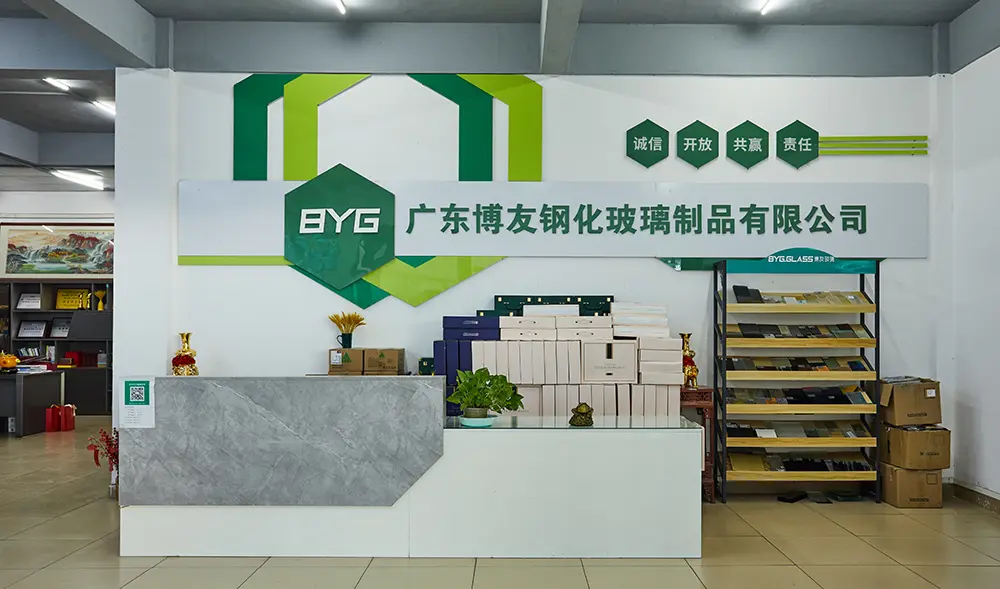
BYG.GLASS, as a large high-end glass source production enterprise, set research and development, production and sales in one, its products cover tempered glass, insulating glass, art glass and home glass products and other fields.
Since its establishment in 2020, it has always been committed to creating all kinds of high-end decorative glass products for domestic and foreign high-end brand doors and Windows, bathroom, high-end home, star hotels, high-end clubs and decoration projects, etc., to meet the diversified market demand with exquisite technology and excellent quality.
BYG.GLASS is always closely aligned with the pulse of the market and accurately captures changes in consumer demand. From the initial focus on the field of doors and Windows, gradually expand business boundaries, and now has formed a full series of product system, can provide customers with one-stop matching services. The company is committed to becoming the industry leader in the industry and trade integration industry of high-end brand doors and Windows, bathroom and custom home.
The evolution of float glass in Tokyo is moving toward "Active Facades." Architects in Minato-ku and Chiyoda-ku are increasingly specifying glass that interacts with its environment. This includes electrochromic glass that tints automatically and ultra-clear float glass that allows for maximum natural light penetration while blocking 99% of UV rays.
Moreover, the integration of AI in glass manufacturing has allowed factories like BYG.GLASS to achieve precision cutting and coating with tolerances under 0.1mm. This level of accuracy is essential for the Japanese market, where "Monozukuri" (the art of making things) defines the standard of quality. As a Tokyo-focused supplier, we ensure our float glass exceeds the JIS (Japanese Industrial Standards) for thickness uniformity and surface flatness.
Our factory utilizes advanced AI-driven quality control to monitor every square meter of float glass. From the melting point to the cooling lehr, every stage is optimized for the Japanese market's rigorous demands for clarity and strength.
Request Technical Data SheetThe process of manufacturing high-quality float glass for a city like Tokyo involves a sophisticated "Float Process" where molten glass is floated on a bed of molten tin. At our facility, we have enhanced this classic method with modern AI monitoring systems that detect microscopic inclusions—such as nickel sulfide—which can cause spontaneous breakage in tempered glass. This is particularly vital for the Tokyo market, where the safety of pedestrians in dense urban areas like Shinjuku is a top priority.
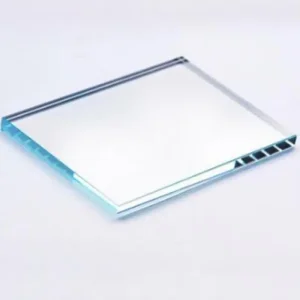
In addition to structural integrity, the optical properties of our float glass are calibrated for the specific light conditions of Japan. The refractive index is meticulously controlled to ensure that when multiple layers are laminated—as is common in the soundproof windows of Tokyo Bay’s residential towers—the visual clarity remains undistorted. Our Ultra-Clear series uses low-iron raw materials, eliminating the greenish tint typical of standard glass, making it the preferred choice for Tokyo’s high-end art galleries and museum display cases.
Energy conservation in Tokyo is no longer an option but a legal requirement. Our Low-E coatings utilize silver nanolayers that reflect long-wave infrared radiation. During the sweltering Tokyo summer, this prevents solar heat from entering the building, significantly reducing air conditioning loads. Conversely, in winter, it retains internal heat. This dual-action performance helps Tokyo developers achieve higher GRESB scores and contributes to the city's overall carbon reduction goals. We don't just supply glass; we supply thermal solutions tailored to the Kanto Plain’s meteorological profile.
Logistics also play a crucial role in being a top supplier for Tokyo. We understand the complexities of "Just-In-Time" delivery required for congested construction sites in areas like Minato or Chuo. Our packaging is designed to withstand the rigors of international shipping while being optimized for rapid unloading using specialized Japanese crane systems. This commitment to the entire lifecycle of the product—from the raw sand to the final installation on a Tokyo skyscraper—defines our role as a market leader.
Contact our technical team for custom dimensions and bulk pricing.
Send Inquiry Now BYG.GLASS