Insulated Glass Supplier for North Korea Projects

Advanced Energy-Saving Solutions & High-Performance Glazing for Pyongyang's Urban Modernization

🏗️ The Evolution of North Korean Architectural Glazing

North Korea, particularly the capital city of Pyongyang, has undergone a radical architectural transformation over the past decade. Projects like Ryomyong Street, Mirae Scientists Street, and the recent Hwasong District housing developments emphasize modernism, height, and increasingly, energy efficiency. As a leading Insulated Glass Supplier, we recognize that the North Korean climate—characterized by harsh, freezing winters and humid summers—requires superior thermal insulation standards.

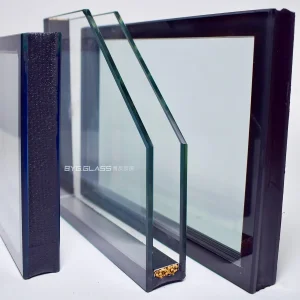
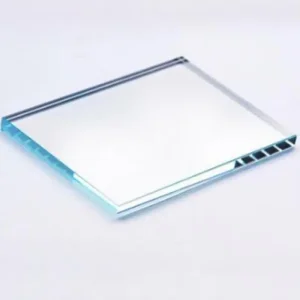
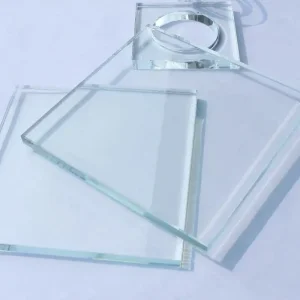
Insulated Glass (IGU), or double-glazing, has become the de facto standard for these new constructions. By creating a hermetically sealed space between two or more glass panes, architects in the DPRK can significantly reduce heat loss in winter, a critical factor for urban sustainability and resource management in the region. Our supply chain solutions are tailored to meet the specific logistical and technical needs of North Korean industrial and commercial sectors.
0.3mm Flatness Precision
91%+ Light Transmittance
Low-E Thermal Optimization
72h Rapid Processing

🏢 COMPANY PROFILE

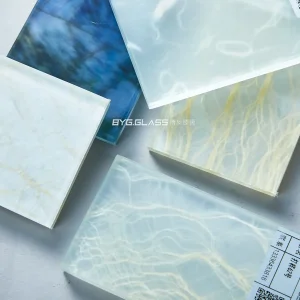
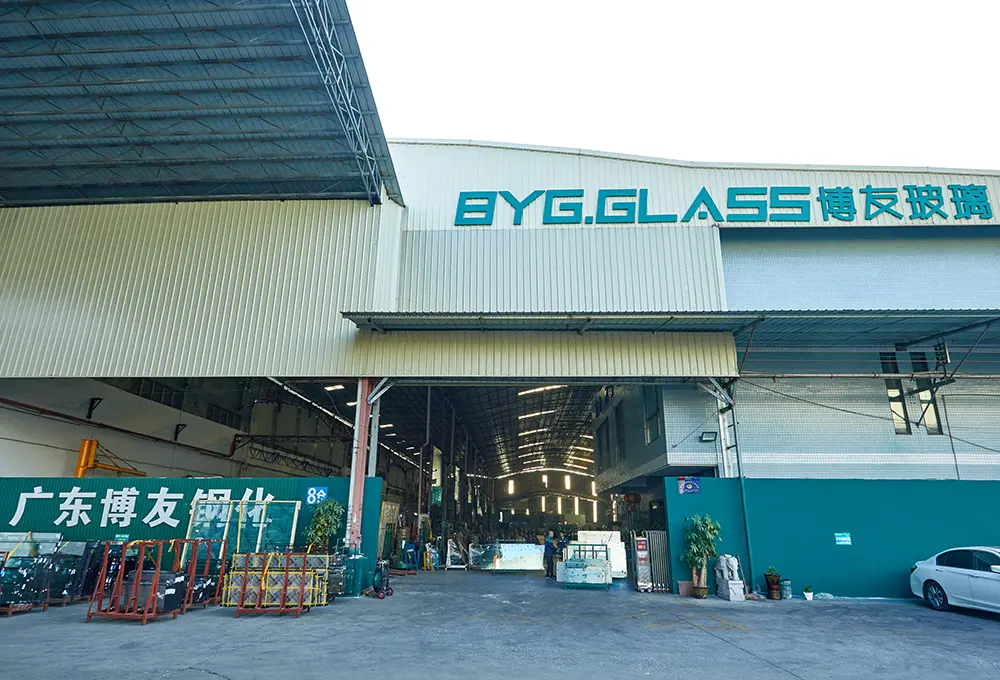
BYG.GLASS, as a large high-end glass source production enterprise, set research and development, production and sales in one, its products cover tempered glass, insulating glass, art glass and home glass products and other fields. Since its establishment in 2020, it has always been committed to creating all kinds of high-end decorative glass products for domestic and foreign high-end brand doors and Windows, bathroom, high-end home, star hotels, high-end clubs and decoration projects, etc., to meet the diversified market demand with exquisite technology and excellent quality.
Located in Shijie East Industrial Park, Nanhai District, Foshan City, the headquarters covers an area of more than 20,000 square meters. By the end of 2024, Boyou has successfully operated three production divisions: tempering, hollow (insulated), and technology, cultivating a youthful team to drive sustainable growth.
BYG Glass Factory

🚀 Why North Korean Buyers Choose Chinese Suppliers

For procurement managers and state-owned enterprises in North Korea, sourcing glass from China offers unparalleled advantages in logistics, quality, and cost-effectiveness. As an Insulated Glass Supplier situated in the industrial heart of China, we leverage several key factors:

  • Geographical Proximity: Our streamlined logistics paths through Dandong and Sinuiju ensure that fragile glass components are delivered with minimal handling and transit time.
  • Advanced R&D: We utilize German-made equipment to achieve a defect rate of ≤0.05%, ensuring that glass used in Pyongyang's skyscrapers meets international safety and durability standards.
  • Climate-Specific Engineering: We specialize in Low-E (low-emissivity) coatings and Argon-filled units that are specifically designed for latitudes with extreme temperature fluctuations.

Stable Quality

Full-chain quality control with flatness error ≤0.3mm. Impact resistance is 20% better than industry standards.

Massive Capacity

100,000㎡ of warehousing and 3 national production bases ensure your project timeline is always met.

Customization

Thickness range from 3mm to 19mm, including bulletproof and curved glass up to 5 meters.

🔬 Technical Deep-Dive: Insulated Glass for High-Latitude Performance

When selecting a supplier for North Korea, understanding the "U-Value" and "Shading Coefficient" is paramount. Our insulated glass units utilize a dual-seal system—a primary seal of polyisobutylene (butyl) to minimize moisture vapor transmission, and a secondary seal of high-strength structural silicone or polysulfide for mechanical integrity.

For North Korean winters, where temperatures can drop below -20°C, we recommend our "Triple Silver Low-E" configuration. This technology reflects long-wave infrared heat back into the building, reducing the load on heating systems by up to 40%. Additionally, for the bustling streets of Pyongyang, our insulated units offer significant acoustic damping, reducing external noise by up to 35-45 decibels.
Localized Application Scenarios in North Korea:

1. Residential Skyscrapers: Providing safety tempered insulated glass for the high-rise facades of the Ryomyong and Hwasong districts.
2. Special Economic Zones: Durable, high-gloss and wired glass for industrial facilities in Rason and Kaesong areas.
3. Hospitality & Tourism: Smart tinting and cloisonne enamel glass for luxury hotels and cultural landmarks.

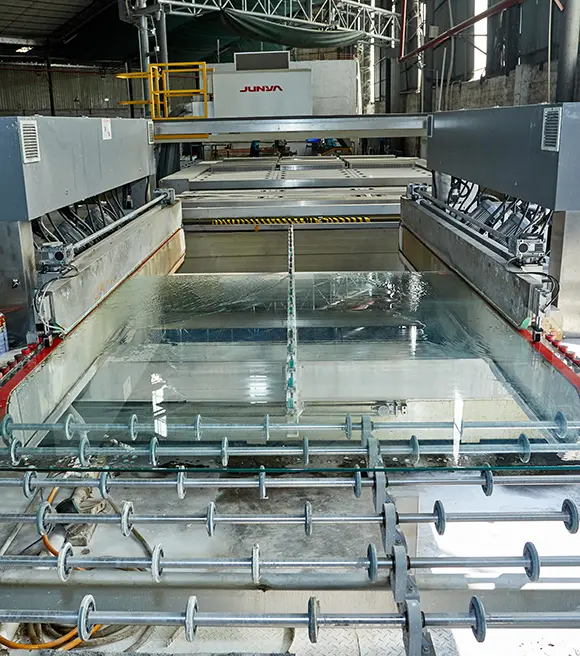
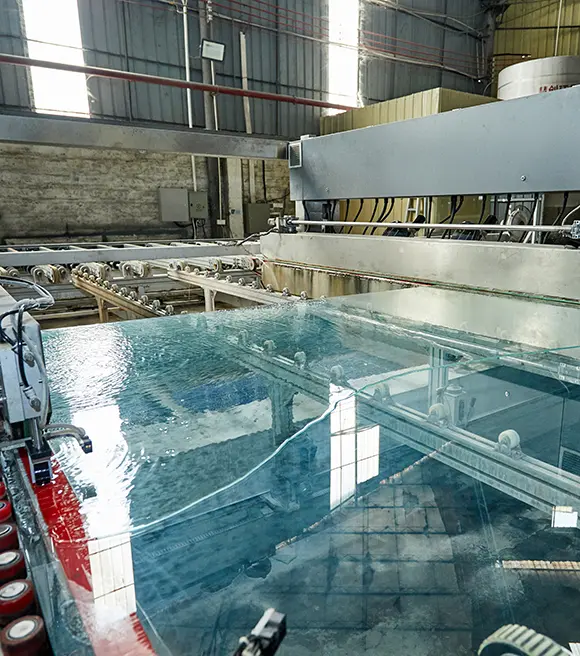
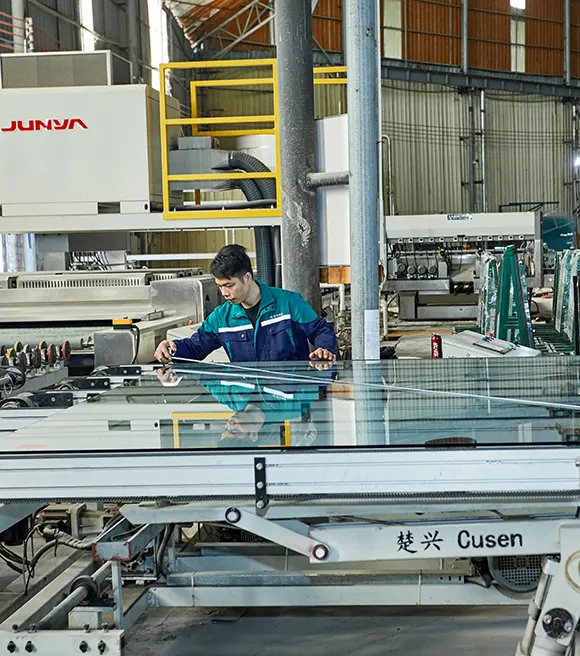
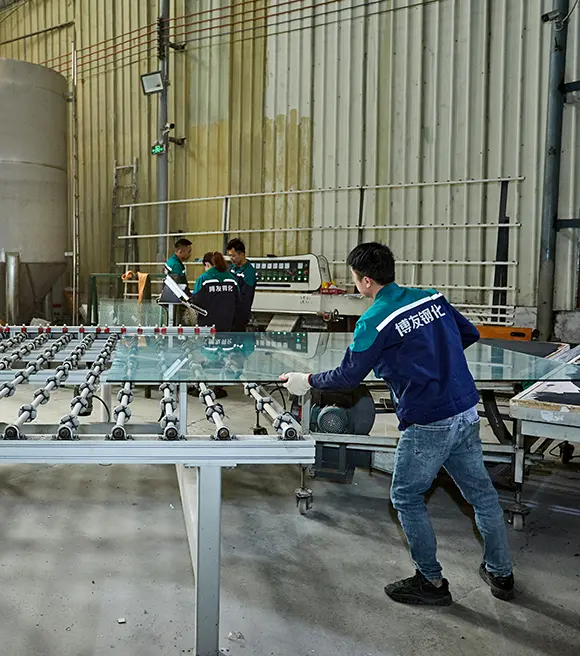
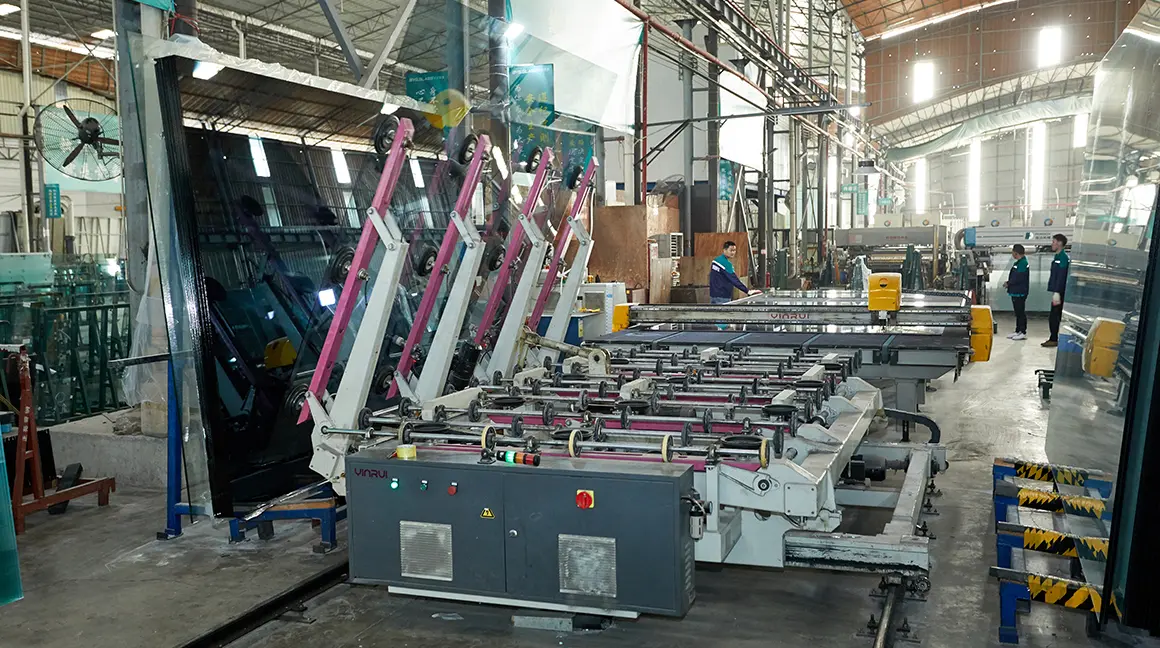
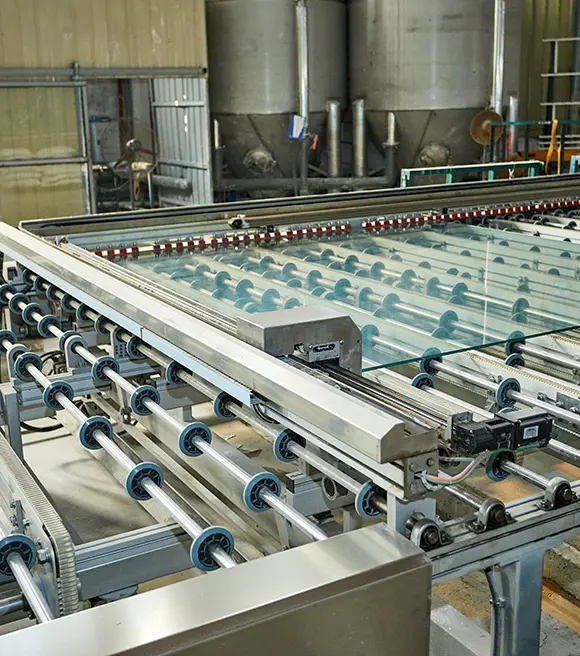
🏭 PRODUCTION EXCELLENCE

📦 TOTAL SOLUTION: Professional Trade & Logistics

Our factory's container loading team is a highly efficient and professional group, known for its precision, speed, and teamwork. With extensive experience, the team expertly manages loading processes to ensure optimal space utilization while strictly adhering to safety protocols. They pay close attention to detail, meticulously checking lists to prevent errors, and skillfully operate loading equipment to safeguard cargo integrity. Whether handling urgent orders or complex loading requirements, the team adapts swiftly to meet deadlines. Their strong sense of responsibility and collaboration makes them a dependable force in the logistics chain, ensuring reliable delivery for customers.

Frequently Asked Questions (FAQ)

What is the standard lead time for North Korea project orders? +
For standard insulated glass units, we offer a 72-hour rapid processing for small orders. Large-scale facade projects typically range from 10 to 20 days depending on the customization (e.g., Low-E coating or tempering).
How do you ensure the glass doesn't break during transport to Pyongyang? +
We use heavy-duty seaworthy plywood crates with shock-absorbing layers between glass panes. Our loading team has over 10 years of experience in securing glass for international rail and truck transport.
Can you provide glass that meets specific energy-saving codes in the DPRK? +
Yes, we can customize the Solar Heat Gain Coefficient (SHGC) and U-Value to meet North Korean architectural requirements for thermal efficiency in northern latitudes.