 BYG.GLASS

The Evolution of Insulated Glass in Taiwan’s Construction Industry
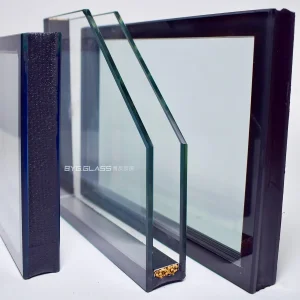
Taiwan, characterized by its subtropical climate, high humidity, and susceptibility to typhoons, requires unique architectural solutions. The insulated glass (IGU) market in Taiwan has witnessed a paradigm shift over the past decade. As urban development in cities like Taipei, Kaohsiung, and Taichung accelerates, architects and developers are increasingly prioritizing **energy efficiency** and **noise reduction**—two areas where high-quality insulated glass excels.
Taiwan Localized Application Scenarios
1. Typhoons and Structural Integrity: Building facades in Taiwan must withstand extreme wind loads. Modern insulated glass units produced for this market utilize tempered, laminated safety glass combinations that offer both thermal insulation and high impact resistance, essential for typhoon-prone zones.
2. Urban Noise Mitigation: With dense urbanization, the demand for "Acoustic Insulated Glass" is skyrocketing. Double or triple-glazed units, often integrated with PVB acoustic interlayers, provide the necessary decibel reduction for high-end residential apartments and star-rated hotels, a key focus for local developers.
3. Energy Efficiency Standards: Following Taiwan’s Green Building (EEWH) rating system, there is an aggressive move towards low-emissivity (Low-E) insulated glass. By utilizing advanced coatings, these windows effectively block solar heat gain during Taiwan's scorching summers while retaining indoor conditioned air, significantly reducing HVAC power consumption.
Future Trends in the Industry
The industry is trending towards "Smart Glazing." We are seeing an influx of requirements for electrochromic glass and smart tinting glass within office complexes. These technologies allow for dynamic light control, further aligning with Taiwan’s push for sustainable, net-zero carbon architecture by 2050.