Premium architectural glass systems engineered to withstand severe wind loads, marine air deterioration, and solar radiation profiles of the South Tarawa urban belt.
Kiribati, an archipelagic nation comprising 32 atolls and one raised coral island spanning the equator, experiences some of the most challenging atmospheric and architectural conditions globally. The main urban corridor of South Tarawa (including Betio, Bairiki, and Bikenibeu) is undergoing intense infrastructure updates to cope with climate change, rising sea levels, and aggressive coastal marine environments.
Traditional structural glazing solutions fail rapidly in Kiribati due to three primary vectors: hyper-salinity, continuous UV exposure, and heavy tropical storm surges. Salt aerosols act as severe abrasive and chemical agents, which can corrode structural sealants and cause delamination in low-grade laminated glass. High humidity levels exceeding 85% year-round create a continuous vapor pressure differential, testing the moisture-barrier boundaries of glass interlayers.
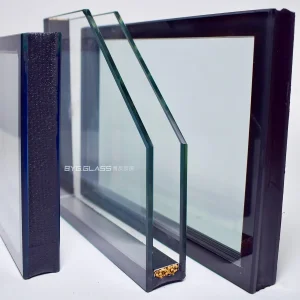
Our laminated safety glass is engineered with specialized SGP (SentryGlas Plus) and moisture-resistant PVB interlayers that prevent moisture intrusion and edge delamination even in direct coastal frontages across the Gilbert, Phoenix, and Line Islands.
Moreover, the absence of local heavy glass manufacturing within Kiribati demands an extremely reliable, factory-integrated foreign procurement partner. For schools, hospital clinics, airport terminals, and government administrative units in Tarawa or Kiritimati (Christmas Island), failure to import compliant structural materials leads to massive retrofitting overheads and structural hazards under intense equatorial sun conditions.
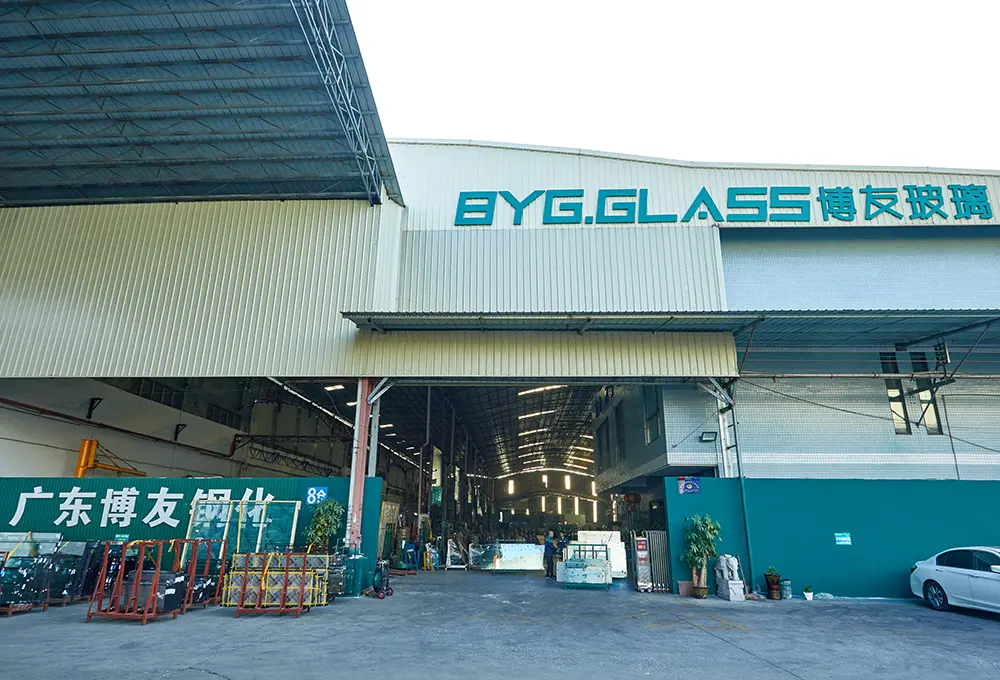
BYG.GLASS (registered under Boyou Glass) is a premium, large-scale source manufacturer of high-end structural safety glass. Our 20,000-square-meter state-of-the-art facility located in Shijie East Industrial Park, Nanhai District, Foshan City, Guangdong Province, operates as a global nexus for architectural glazing export.
Since our inception in 2020, we have integrated R&D, precision tempering, double-glazing insulation, art glass patterning, and high-performance lamination into a single unified manufacturing line. We cater specifically to premium door and window developers, structural facade fabricators, and high-spec international development projects in remote regions that cannot afford material compromises.
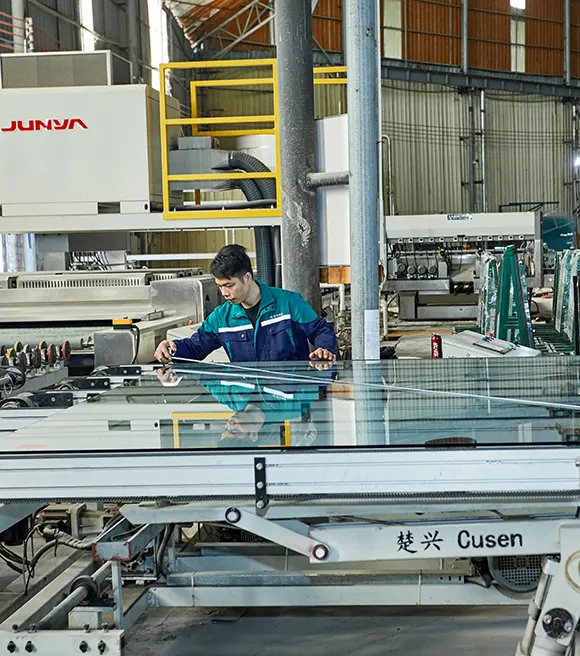
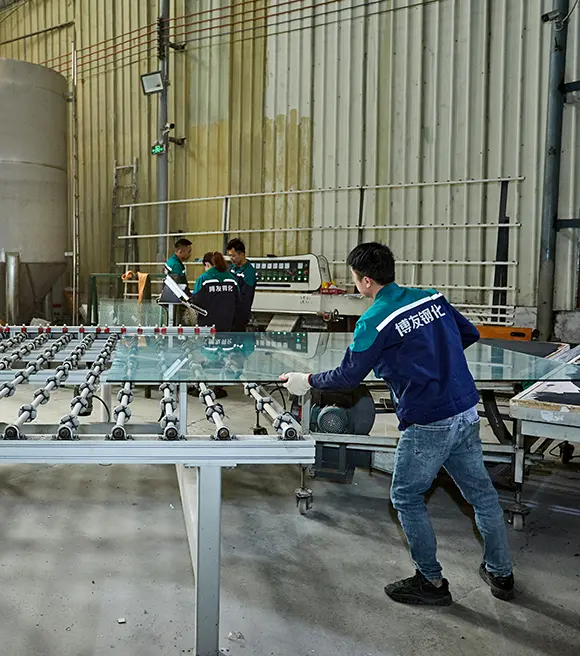
By the end of 2024, our factory operates three highly automated divisions: tempering, hollow (double/triple-glazed insulating units), and advanced technology processing. This ecosystem allows us to achieve tolerances that far exceed standard industry thresholds, ensuring every panel delivered to Oceania complies with stringent international building codes.
A rigorous review of structural glass parameters required for Pacific regional structural certifications.
For import into Pacific Island nations under Australia-New Zealand architectural influence, all safety glass must undergo rigorous impact tests. Our laminated safety glass holds full compliance, using Grade A safety-rated PVB interlayers designed to prevent injury and structural collapse upon impact.
With solar irradiance in Kiribati peaking daily, thermal stress fractures are common in standard annealed and low-grade glass. Our tempered and heat-strengthened laminated units distribute heat absorption evenly, preventing breakage under high-temperature fluctuations.
Our multilayer laminated structures filter out up to 99% of incoming UV radiation, protecting interior spaces from sun bleaching, while providing up to 38dB of sound attenuation—ideal for public offices and tourist resorts near ports and urban roads.
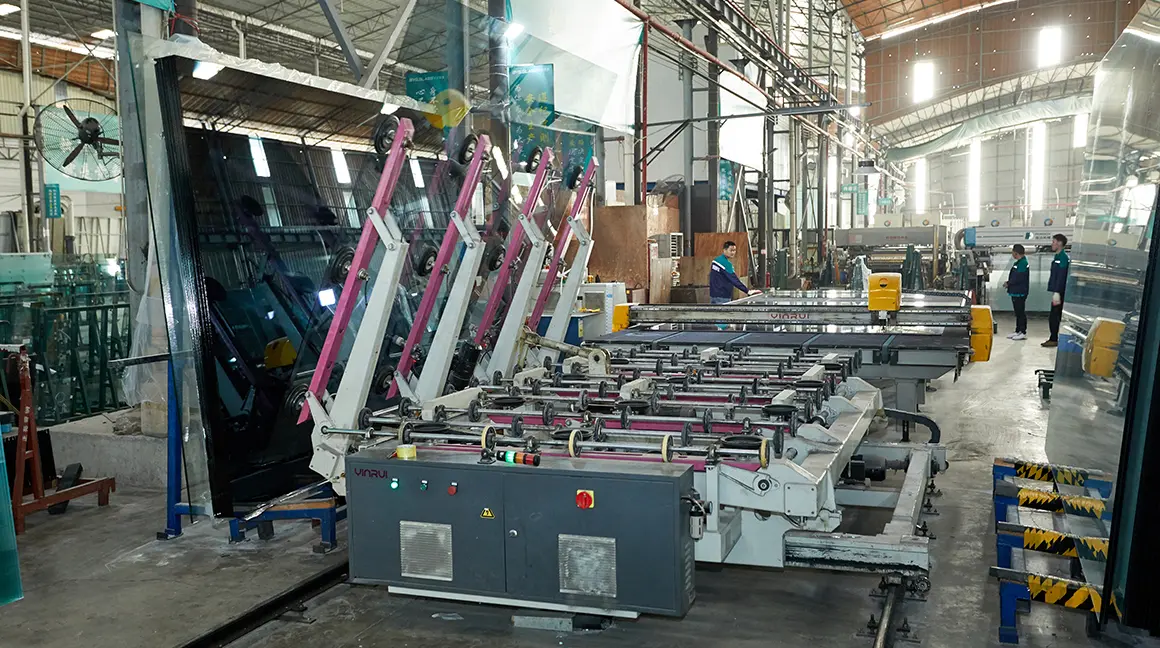
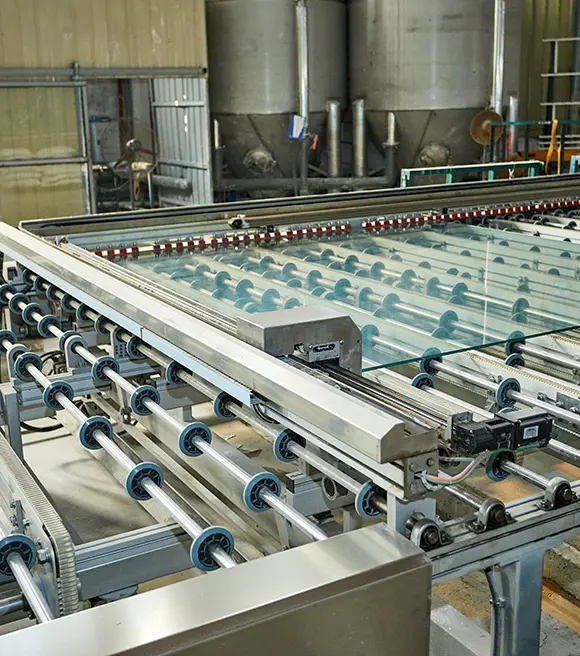
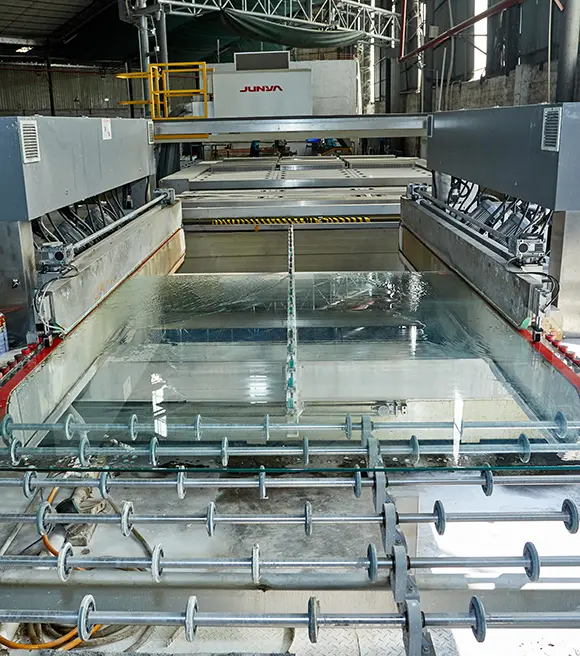
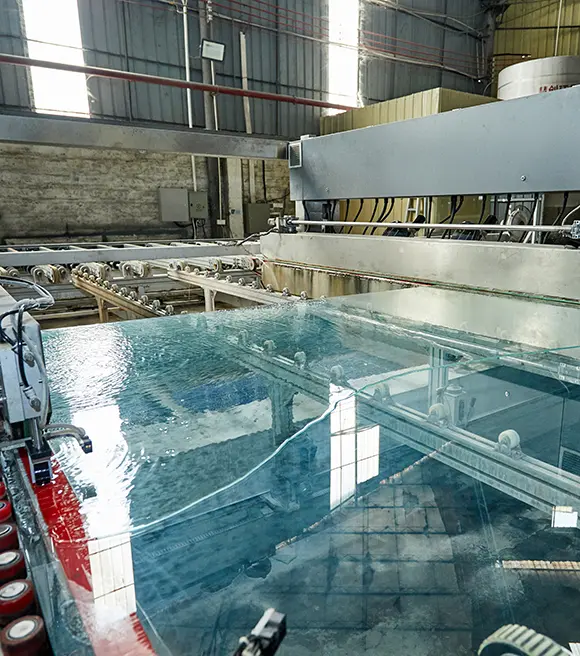
Our production line implements raw material inspection from world-class suppliers, feeding precision-cut sheets into high-end German lamination equipment. Through precise control of autoclave pressure, temperature, and duration, we guarantee optimal adhesion of interlayers, preventing bubble formation and micro-cracking during long-term exposure to Kiribati's extreme humidity profiles.
Inside the BYG.GLASS factory: showcasing our state-of-the-art machinery and processing stages.
Transporting heavy glass across oceanic routes to the Port of Betio (Tarawa) requires a dedicated focus on freight logistics. Given the absence of direct industrial shipping lanes, cargo destined for Kiribati typically transits via regional hubs like Suva (Fiji) or Brisbane (Australia). This extended sea transit time—often exceeding 35 to 50 days—subjects the glass to continuous vibrations and thermal cycles.
Our dedicated container loading team specializes in maritime packing technologies. To combat moisture and humidity during the equator crossing, we package all shipments using high-integrity, moisture-barrier vacuum foils with heavy-duty desiccants placed inside custom, heat-treated wooden A-frames. This prevents condensation stains, glass cloudiness, and interlayer degradation before the cargo even arrives at its destination.
Professional & Efficient – Your Trusted Trade Partner: Our factory's container loading team is a highly efficient and professional group, known for its precision, speed, and teamwork. With extensive experience, the team expertly manages loading processes to ensure optimal space utilization while strictly adhering to safety protocols. They pay close attention to detail, meticulously checking lists to prevent errors, and skillfully operate loading equipment to safeguard cargo integrity. Whether handling urgent orders or complex loading requirements, the team adapts swiftly to meet deadlines. Their strong sense of responsibility and collaboration makes them a dependable force in the logistics chain, ensuring reliable delivery for customers.
We work in tandem with regional shipping lines to offer transparent IoT-enabled container tracking, ensuring your projects in Tarawa, Kiritimati, or Tabuaeran remain on schedule.
Adapting smart glazing technologies for the remote and off-grid realities of the Pacific region.
As Kiribati shifts its energy reliance away from expensive imported diesel toward microgrids and solar energy, architectural envelopes must become active energy producers. Our R&D team is developing building-integrated photovoltaic (BIPV) laminated glass panels. These systems integrate crystalline silicon solar cells directly into the PVB interlayer, transforming glass facades into solar arrays while maintaining structural and impact integrity.
Oceanic salt spray forms a crust on glass surfaces, which reduces light transmission and increases maintenance costs. BYG.GLASS is introducing permanent photocatalytic and hydrophobic nanocoatings that use solar UV radiation to break down organic dirt and rely on rain showers to flush away salt residue, making them ideal for high-salinity island installations.
Direct technical answers addressing the procurement, logistics, and installation of safety glass in Kiribati.
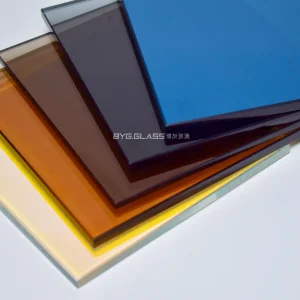
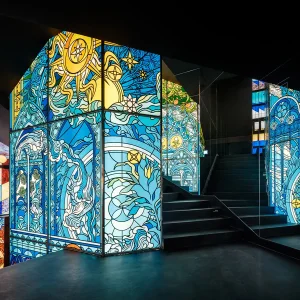
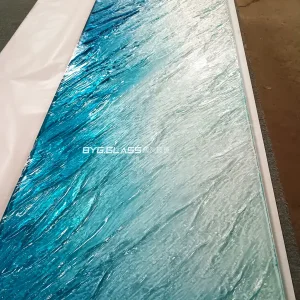
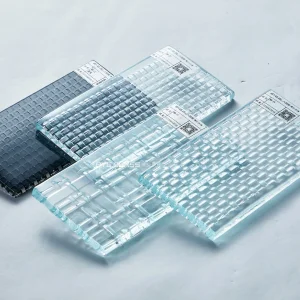
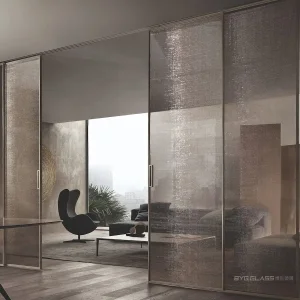
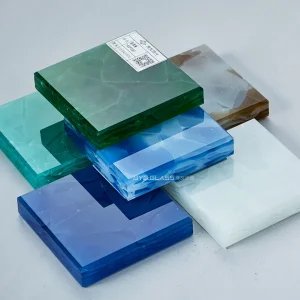
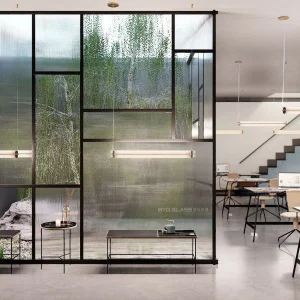
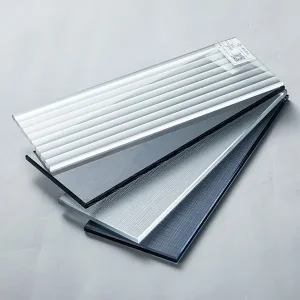
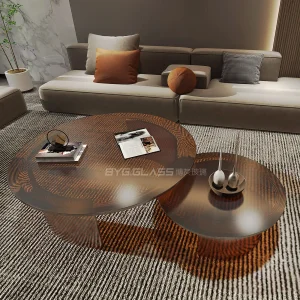
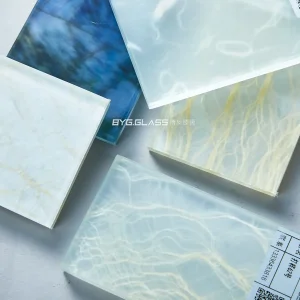
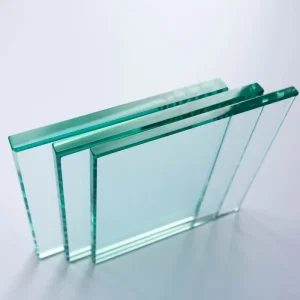
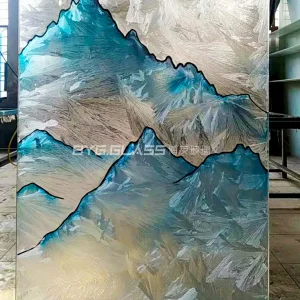
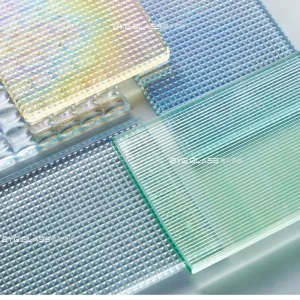
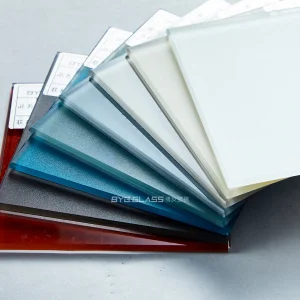
Our complete collection of safety, decorative, and performance glass engineered to the highest E-E-A-T and AS/NZS specifications.
Consult with our engineering team for high-performance laminated glass custom runs, specific wind load requirements, and optimized shipping logistics for Kiribati.
Send Inquiry Now BYG.GLASS