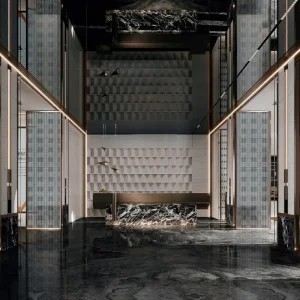
Denmark has long been at the forefront of sustainable and functional architecture. From the iconic designs of Bjarke Ingels Group (BIG) to the classic functionalism that defines Copenhagen's skyline, laminated glass plays a pivotal role. In Denmark, the glass industry is not just about aesthetics; it is deeply rooted in the "BR18" (Building Regulations 2018), which mandates stringent safety and energy performance standards. Laminated glass suppliers in Denmark are increasingly focusing on "Low-E" laminated variants that minimize heat loss—a crucial factor for the Northern European climate.
According to Danish safety regulations, laminated glass is mandatory for glass floors, railings, and overhead glazing to prevent injury from falling shards. Local factories utilize advanced autoclave processes to bond layers of glass with Polyvinyl Butyral (PVB) or Ionoplast interlayers. This technology ensures that even upon impact, the glass remains adhered to the interlayer, maintaining the structural integrity of the building envelope. This is particularly vital for Denmark's wind-swept coastal regions where wind loads can reach extreme levels.
The Danish glass industry is transitioning towards a circular economy. Leading factories in Jutland and Zealand are investing in carbon-neutral production lines. As a high-end supplier, BYG.GLASS aligns with these Nordic values by providing glass that contributes to LEED and BREEAM certifications. Recycled glass content and localized supply chain optimization are becoming the "new normal" for Danish contractors looking for glass solutions that reduce the overall carbon footprint of a project.
As Copenhagen and Aarhus undergo rapid urban densification, noise pollution has become a major concern. Laminated glass with specialized acoustic interlayers is the primary solution for residential developments near transport hubs like Nørreport Station or the Aarhus Light Rail. These glass units can reduce noise by up to 45dB, providing the "Hygge" (coziness) and tranquility that Danish residents demand in their living spaces.
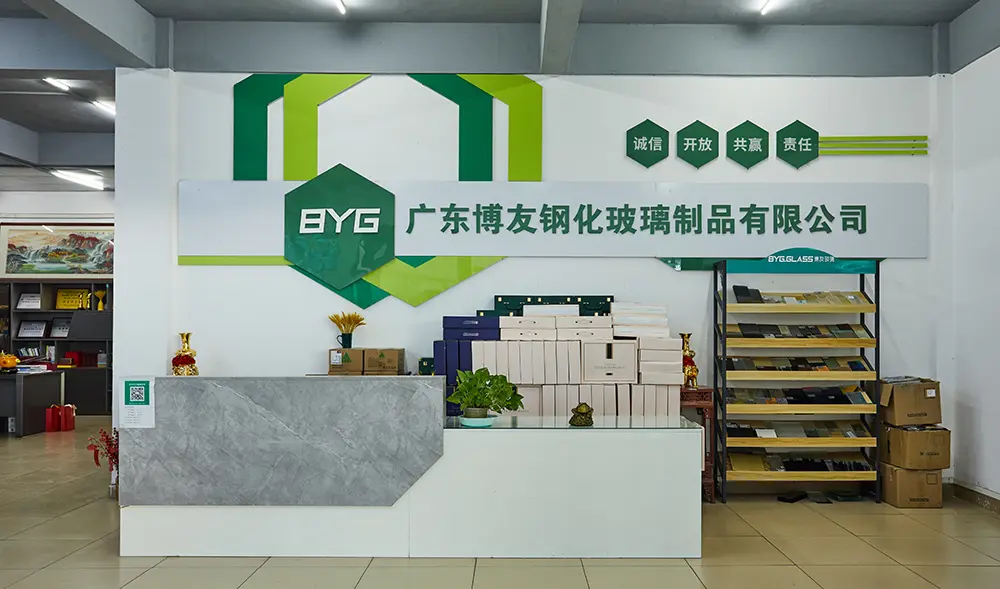
BYG.GLASS, as a large high-end glass source production enterprise, set research and development, production and sales in one, its products cover tempered glass, insulating glass, art glass and home glass products and other fields.
Since its establishment in 2020, it has always been committed to creating all kinds of high-end decorative glass products for domestic and foreign high-end brand doors and Windows, bathroom, high-end home, star hotels, high-end clubs and decoration projects, etc., to meet the diversified market demand with exquisite technology and excellent quality.
BYG.GLASS is always closely aligned with the pulse of the market and accurately captures changes in consumer demand. From the initial focus on the field of doors and Windows, gradually expand business boundaries, and now has formed a full series of product system, can provide customers with one-stop matching services. The company is committed to becoming the industry leader in the industry and trade integration industry of high-end brand doors and Windows, bathroom and custom home.
From the Port of Copenhagen to the harbor of Aalborg, waterfront glass architecture is exploding. Laminated glass is used here not just for windows but as structural elements. SentryGlas (SGP) interlayers are preferred by Danish engineers for their superior edge stability and strength, ensuring that the glass can withstand the corrosive salty air and high wind pressures typical of the North Sea and the Baltic Sea.
Integration of AI and smart technology is a growing trend in Denmark's "Smart City" initiatives. Laminated glass is now being manufactured with switchable films that allow the glass to change from transparent to opaque with a touch of a button or an automated sensor. This is being used in Danish office layouts to create flexible meeting spaces without compromising the open-plan Scandinavian design aesthetic.
With Denmark's goal to be fossil-fuel-free by 2050, glass facades are becoming power plants. Laminated glass layers are being used to encapsulate thin-film solar cells. Factories supplying the Danish market are seeing a 300% increase in inquiries for BIPV laminated units that provide safety, insulation, and renewable energy generation simultaneously.
Recyclability Rate in Danish Glass Projects
Average U-Value (W/m²K) in Triple Laminated Units
Goal for Zero-Emission Glass Manufacturing
Major Projects Supplied in Scandinavia
Transparent laminated glass railings are a staple of Danish "Altan" (balcony) culture, providing unobstructed views of the city while ensuring child safety and wind protection.
High-end boutiques in Copenhagen's Strøget district utilize extra-clear laminated glass to prevent smash-and-grab thefts while maintaining maximum product visibility.
Modern Danish offices use frosted or gradient-printed laminated glass to balance the need for privacy with the cultural preference for light-filled environments.
Denmark's commitment to quality mirrors our own. Whether you are an architect in Frederiksberg or a developer in Aalborg, our laminated glass solutions offer the perfect synergy of safety and style.
Request a Quote for Your Danish ProjectWhen discussing laminated glass in the Danish context, it is impossible to ignore the European Standard EN 14449, which specifies the evaluation of conformity and the factory production control for laminated glass and laminated safety glass. In Denmark, suppliers must ensure that every shipment carries the CE mark, proving that the glass meets the essential requirements of EU directives. The local market demand has shifted from simple dual-layer lamination to complex multi-layered configurations including tempered-laminated and heat-strengthened-laminated combinations.
One of the unique challenges in Denmark is the "Blue Hour"—that specific time of day during the long Nordic winters when light has a distinct blue hue. Architects in Denmark often specify "Low-Iron" or "Extra Clear" laminated glass to ensure that the interior lighting remains as natural as possible, preventing the greenish tint common in standard float glass. This is where BYG.GLASS excels, offering high-clarity substrates that respect the designer's intent.
The manufacturing process involves several critical stages that are optimized for high performance. First, the glass is cut and polished to perfection. Any minor defect in the edge can lead to delamination, especially in the fluctuating temperatures of the Danish climate, where frost-thaw cycles are frequent. After cleaning in a deionized water environment, the PVB or SGP interlayer is applied in a cleanroom with controlled humidity. The "sandwich" then goes through a pre-pressing oven to remove air before the final bonding in an autoclave at temperatures of approximately 140°C and pressures of 12 bar.
Furthermore, the industrial landscape in cities like Herning and Silkeborg—hubs for the Danish window and door industry—demands a logistics partner that can handle oversized glass. As the trend for floor-to-ceiling glazing grows, "Jumbo" size laminated glass (up to 3.3m x 6m) is becoming a standard request for prestigious commercial projects. This requires specialized transport racks and cranes, a service that premium Danish glass suppliers have perfected.
In conclusion, the Danish market for laminated glass is one of the most sophisticated in the world. It is a market that rewards innovation, sustainability, and uncompromising safety. By choosing a supplier that understands these local nuances, Danish businesses can ensure that their projects are not only beautiful but also resilient enough to last for generations in the challenging Northern European environment.
 BYG.GLASS