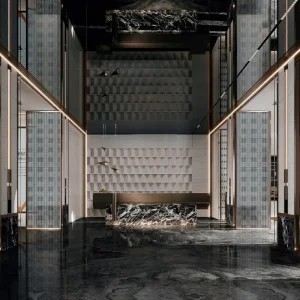
The United States laminated glass market is currently experiencing a transformative phase, driven by stringent building codes, an increasing emphasis on energy efficiency, and a growing demand for advanced security solutions. As a premier Laminated Glass Supplier in the United States, understanding the local landscape is vital for any architectural project. From the towering skyscrapers of Manhattan to the storm-prone coasts of Florida, laminated glass has become an indispensable component of modern American infrastructure.
Today, the industry is not just about bonding two sheets of glass; it's about integrating technology. The shift toward Smart Cities in regions like Silicon Valley and Austin has led to the adoption of "intelligent" laminated glass that can adjust its tint based on sunlight intensity, reducing HVAC loads significantly. This localized demand for high-performance glazing is what sets the US market apart as a global leader in architectural glass innovation.
In the United States, the industrial status of laminated glass is heavily influenced by the International Building Code (IBC). Safety glazing is no longer an option but a requirement in "hazardous locations" such as doors, sidelights, and overhead glazing. This regulatory environment has forced suppliers to innovate beyond standard PVB (Polyvinyl Butyral) interlayers.
Current trends highlight a massive surge in SGP (SentryGlas® Plus) applications. Architects in coastal states like Louisiana and the Carolinas are increasingly specifying SGP for its superior edge stability and impact resistance compared to traditional interlayers. Furthermore, the LEED (Leadership in Energy and Environmental Design) certification process is pushing US suppliers to provide low-emissivity (Low-E) laminated glass that offers both safety and thermal insulation.
In luxury markets like Beverly Hills and Miami Beach, laminated glass is used for frameless glass railings and expansive floor-to-ceiling windows that provide security without sacrificing the view.
US retail chains are upgrading to anti-intrusion laminated glass to protect against "smash-and-grab" incidents while maintaining crystal-clear transparency for product displays.
Schools and government buildings across the United States are increasingly utilizing bullet-resistant laminated glass to enhance occupant safety in high-security zones.
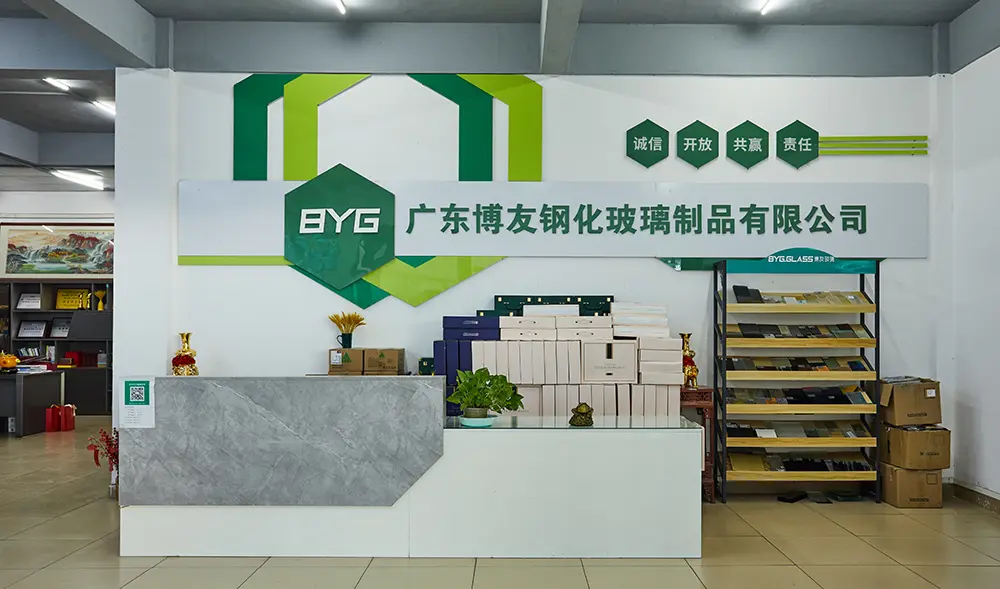
BYG.GLASS, as a large high-end glass source production enterprise, set research and development, production and sales in one, its products cover tempered glass, insulating glass, art glass and home glass products and other fields.
Since its establishment in 2020, it has always been committed to creating all kinds of high-end decorative glass products for domestic and foreign high-end brand doors and Windows, bathroom, high-end home, star hotels, high-end clubs and decoration projects, etc., to meet the diversified market demand with exquisite technology and excellent quality.
BYG.GLASS is always closely aligned with the pulse of the market and accurately captures changes in consumer demand. From the initial focus on the field of doors and Windows, gradually expand business boundaries, and now has formed a full series of product system, can provide customers with one-stop matching services. The company is committed to becoming the industry leader in the industry and trade integration industry of high-end brand doors and Windows, bathroom and custom home.
Choosing a Laminated Glass Supplier in the United States involves rigorous evaluation of technical capabilities. The US market dictates that all laminated products meet the ASTM C1172 standard for architectural laminated flat glass. This ensures that the glass maintains its integrity even after breakage, staying adhered to the interlayer.
The core of laminated glass is its interlayer. In the US, the variety of interlayers available is expanding. While standard PVB remains the workhorse for residential windows, specialty interlayers like Acoustic PVB are becoming standard in urban hotel developments to meet STC (Sound Transmission Class) ratings of 40 or higher. EVA (Ethylene-vinyl acetate) is also gaining traction, particularly for decorative glass and smart glass applications where moisture resistance is paramount for open-edge balcony systems.
The US supply chain for architectural glass has shifted post-2020. There is a strong movement towards "Just-in-Time" delivery for large-scale projects in hubs like Chicago, Seattle, and Atlanta. This requires suppliers like BYG.GLASS to maintain agile production schedules and robust logistics. By integrating R&D and production, we ensure that the high-end glass required for star hotels and luxury clubs is delivered with the precision that American contractors demand.
The future of laminated glass production in the US is undeniably digital. AI-driven quality control systems now inspect every square inch of glass for inclusions or delamination risks. This tech-centric approach ensures that every panel leaving the factory meets the "High-end" promise of the BYG.GLASS brand. As the market moves toward carbon neutrality, the role of laminated glass as a thermal barrier will only intensify, cementing its status as the most critical material in the modern US building envelope.
Ready to elevate your American architectural project with world-class glazing?
Start Your Project Today BYG.GLASS