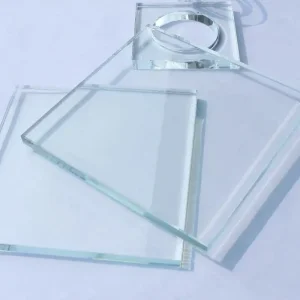
San Francisco, a global beacon of innovation and technological advancement, is currently undergoing a transformative shift in its architectural landscape. As the city pushes toward stricter environmental regulations, such as the California Title 24 Energy Code, the demand for high-performance building materials has skyrocketed. Among these, Smart Tinting Glass has emerged as a critical component for modern commercial and industrial developments.
From the shimmering towers of the South of Market (SoMa) district to the tech campuses in Silicon Valley, architects are increasingly specifying electrochromic and PDLC (Polymer Dispersed Liquid Crystal) glass. These technologies allow buildings to dynamically adjust their transparency, significantly reducing the urban heat island effect—a common challenge in San Francisco's dense urban core.
Energy Savings
UV Protection
Privacy Control
The industrial sector in San Francisco and the surrounding East Bay is moving toward "Smart Warehousing" and high-tech manufacturing facilities. These spaces require environments where light and temperature can be precisely controlled without relying on mechanical blinds that harbor dust. Smart Tinting Glass manufacturers in San Francisco are now providing integrated solutions that connect directly with Building Management Systems (BMS) and IoT networks, allowing for automated tinting based on the sun's position and interior occupancy.
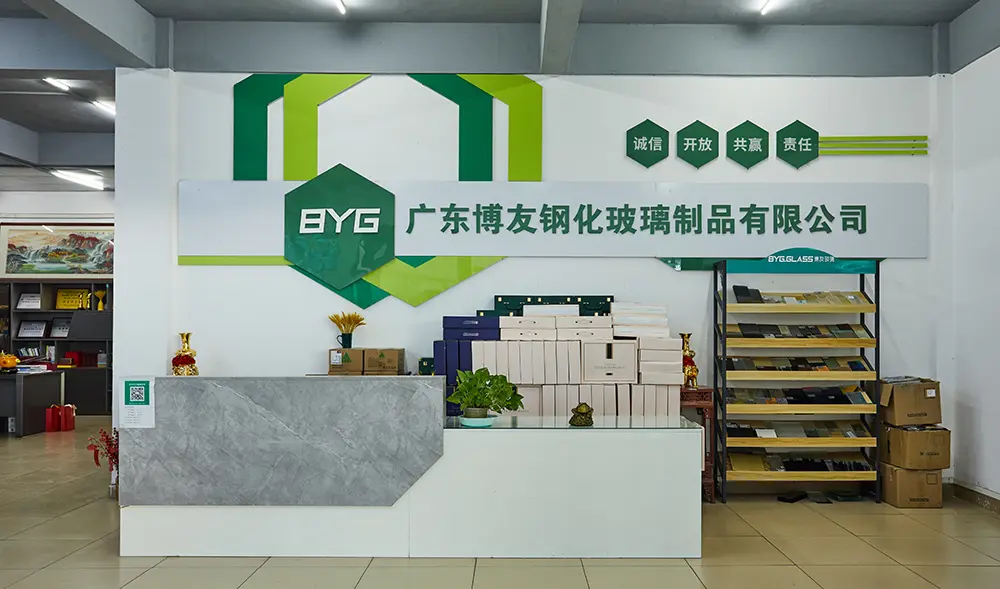
BYG.GLASS, as a large high-end glass source production enterprise, set research and development, production and sales in one, its products cover tempered glass, insulating glass, art glass and home glass products and other fields.
Since its establishment in 2020, it has always been committed to creating all kinds of high-end decorative glass products for domestic and foreign high-end brand doors and Windows, bathroom, high-end home, star hotels, high-end clubs and decoration projects, etc., to meet the diversified market demand with exquisite technology and excellent quality.
BYG.GLASS is always closely aligned with the pulse of the market and accurately captures changes in consumer demand. From the initial focus on the field of doors and Windows, gradually expand business boundaries, and now has formed a full series of product system, can provide customers with one-stop matching services. The company is committed to becoming the industry leader in the industry and trade integration industry of high-end brand doors and Windows, bathroom and custom home.
San Francisco is famous for its fog and varying sunlight intensities. Smart glass adjusts instantly to provide clarity during Karl the Fog’s visits and tinting during the bright afternoon sun.
Achieve LEED certifications and meet San Francisco Green Building Code requirements by reducing HVAC load by up to 25% through advanced thermal regulation.
In high-density areas like Nob Hill or Mission Bay, PDLC smart glass allows for instant "switchable" privacy without bulky curtains, maintaining a sleek, modern aesthetic.
As a leading Smart Tinting Glass supplier, we understand that the San Francisco market demands more than just aesthetics. Our manufacturing process focuses on the integration of Electrochromic technology, which uses a low-voltage electrical current to darken the glass while keeping it transparent. Unlike traditional tinting, this does not obscure the view, which is essential for preserving San Francisco’s world-famous vistas.
Recent developments in the industry have seen the introduction of Thermochromic and Photochromic glass, which respond to heat and light automatically. However, for the ultimate control, our active smart glass remains the gold standard for San Francisco commercial projects, allowing for manual override via mobile apps or voice-controlled AI assistants.
The industry is moving toward "Energy Harvesting Glass." Imagine San Francisco skyscrapers that not only tint to save energy but also act as giant solar panels. Our research and development team is currently exploring the integration of thin-film photovoltaics with smart tinting layers to create the first generation of truly self-powered building envelopes.
 BYG.GLASS