China Chinese Factory Low-E Glass Custom Glass Manufacturer, Factory

Product Overview
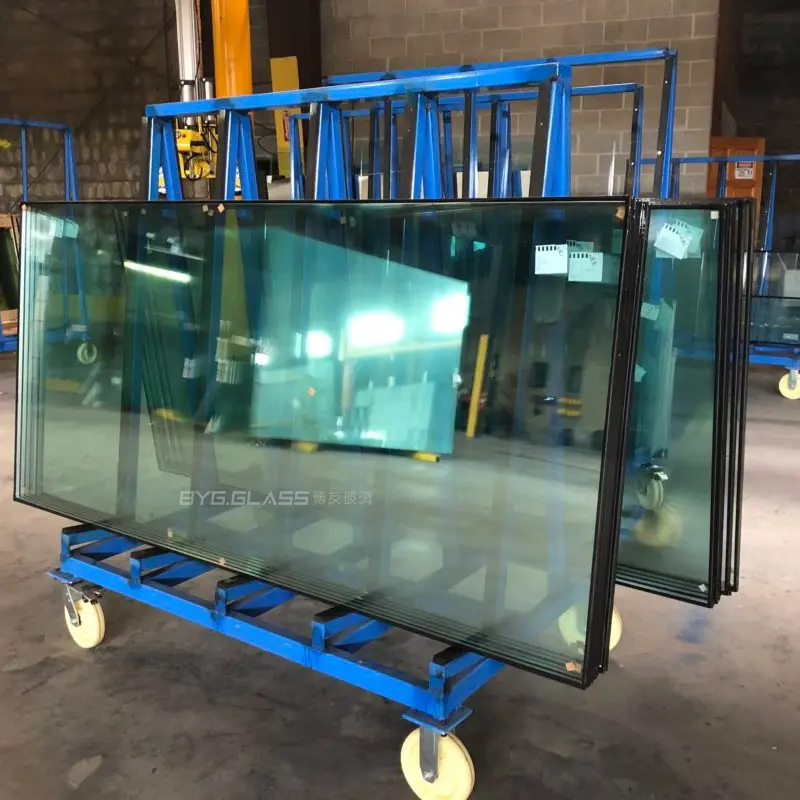
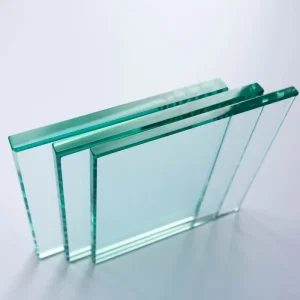
Low-E glass, short for Low-Emissivity glass, is an energy-efficient building material coated with a micro-thin, transparent layer of metallic oxide. This coating significantly reduces the glass’s emissivity, minimizing heat transfer through radiation and reflection. By blocking infrared and ultraviolet light while allowing visible light to pass through, Low-E glass maintains indoor comfort, reduces energy consumption for heating and cooling, and protects interior furnishings from sun damage.

Product Description

Product Parameters

Low-E Glass Technology

Coating Types

Hard-Coat: Applied during the glass manufacturing process at high temperatures, offering durability and scratch resistance. Ideal for environments with frequent handling.
Soft-Coat: Deposited via sputtering technology in a vacuum, providing superior energy efficiency but requiring extra protection during installation.

Technical Specifications

Visible Light Transmittance (VLT): Ranges from 10% to 80%. Higher VLT allows more natural light to enter, while lower VLT enhances privacy and solar control.
Solar Heat Gain Coefficient (SHGC): Typically between 0.20 - 0.80. A lower SHGC blocks more solar heat, reducing cooling loads in summer.
U-Value: As low as 0.8 - 1.8 W/(m²·K) for double-pane Low-E glass, indicating excellent thermal insulation compared to standard glass (U-value 5.8 W/(m²·K)).
Thickness: Available in single-pane (3 - 12mm), double-pane (16 - 40mm), and triple-pane configurations. Thicker units offer enhanced insulation.
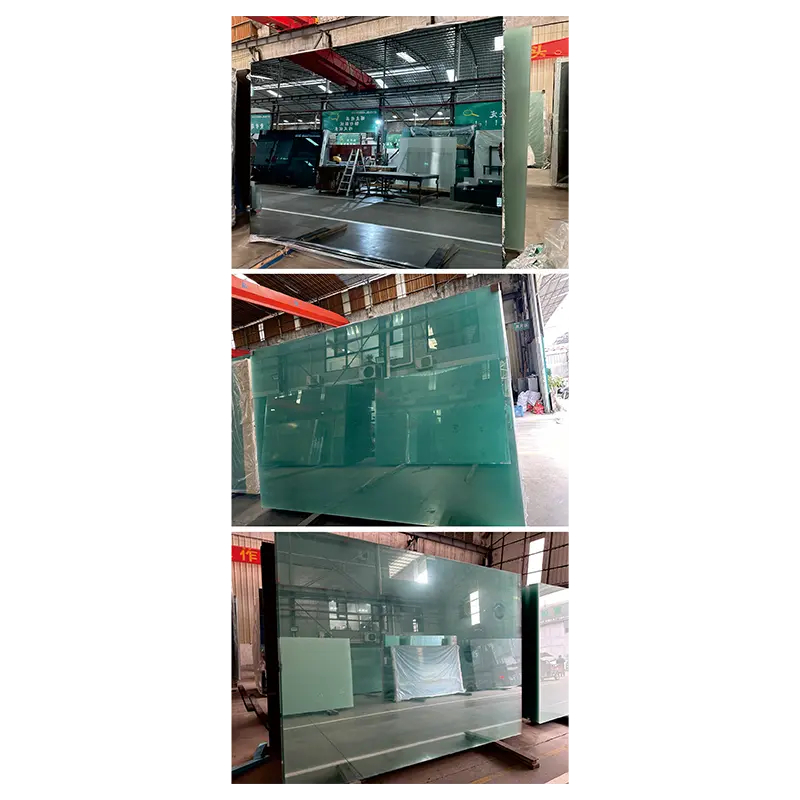
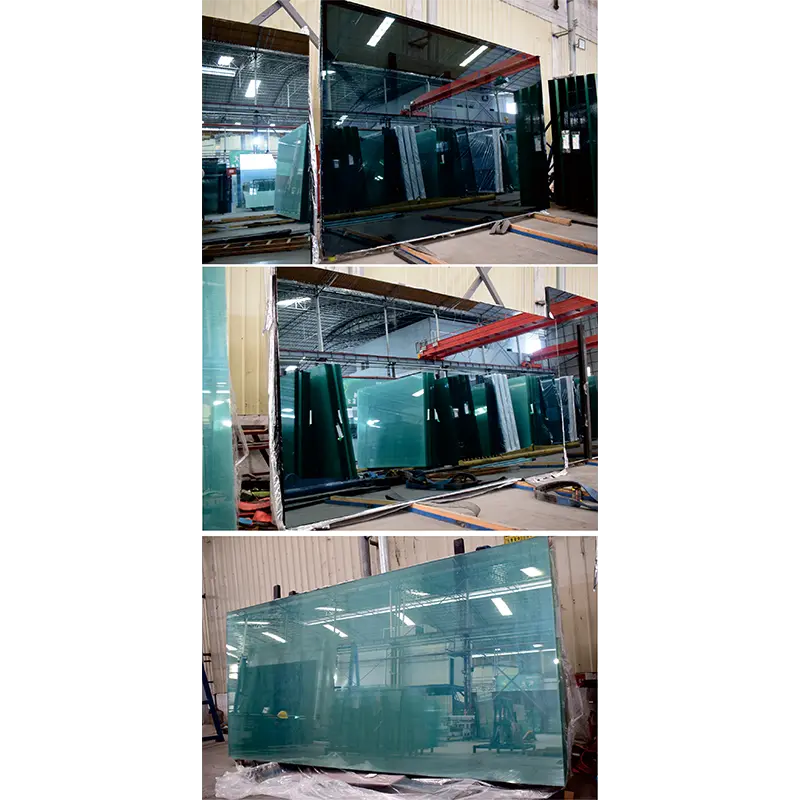
Size Range: Standard sizes up to 300cm x 600cm. Custom sizes can be tailored to specific architectural requirements.
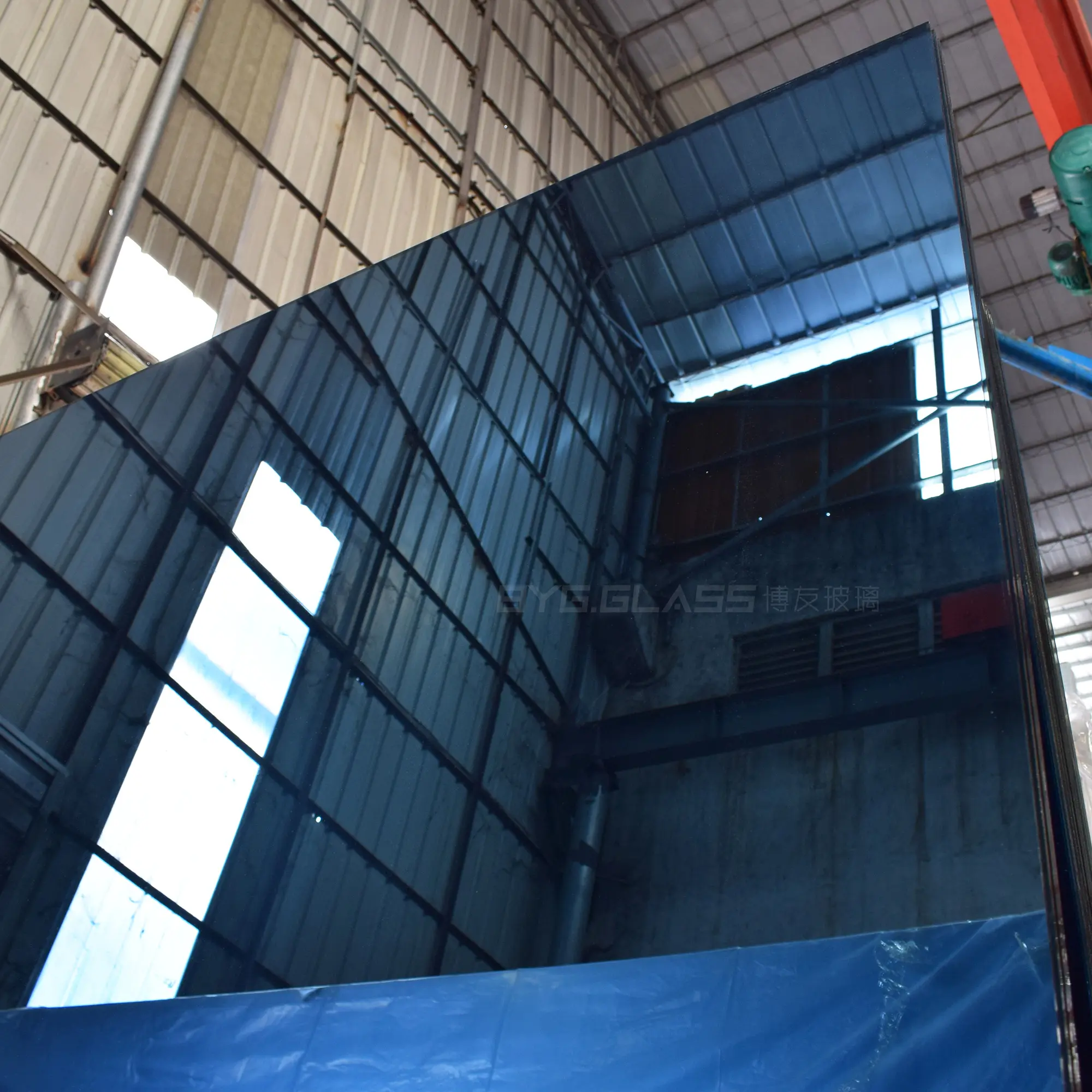
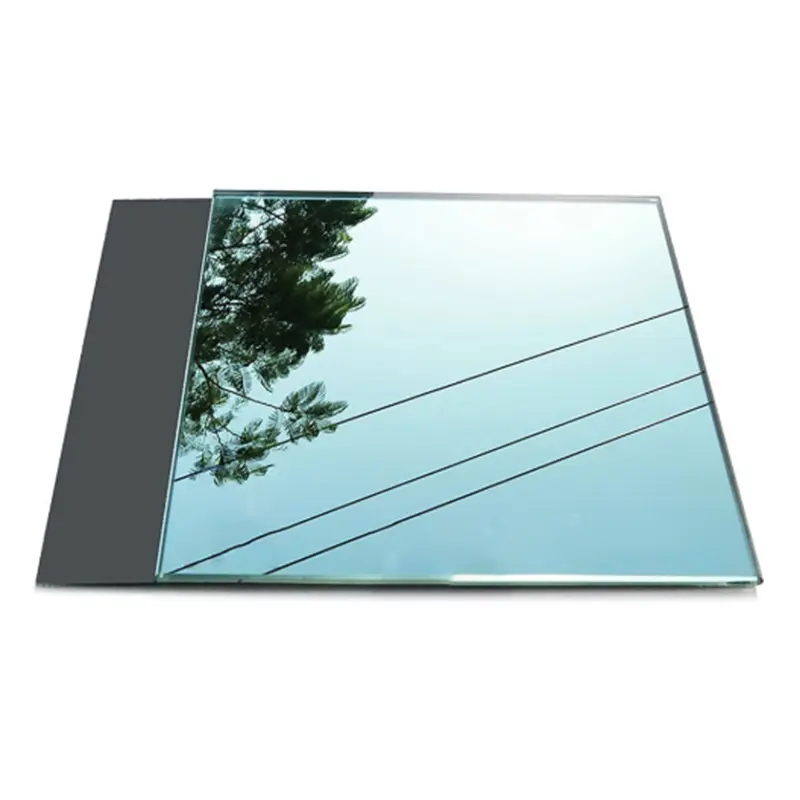
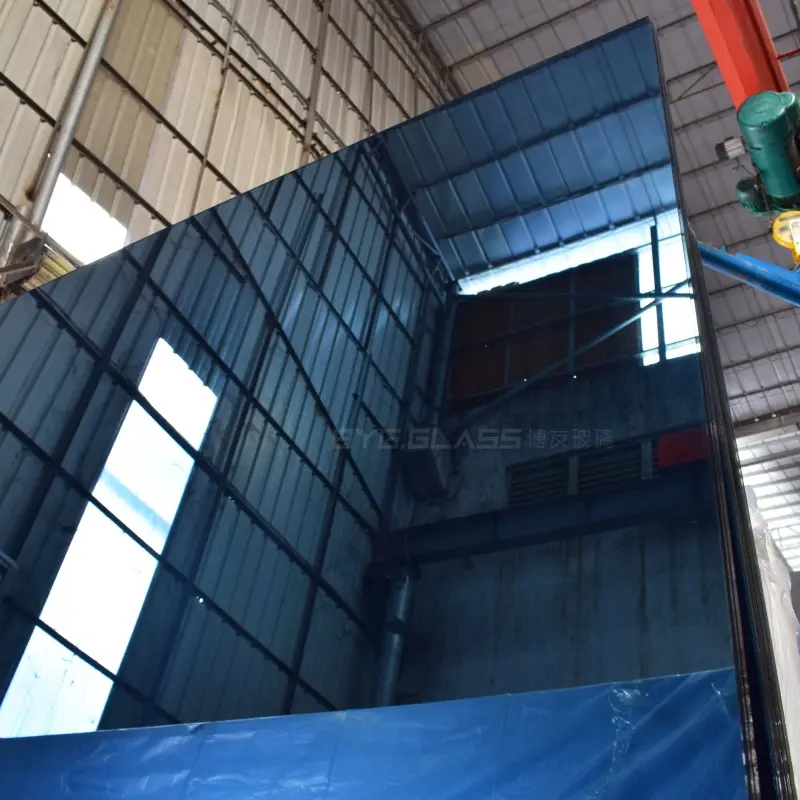
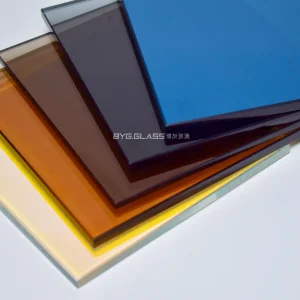
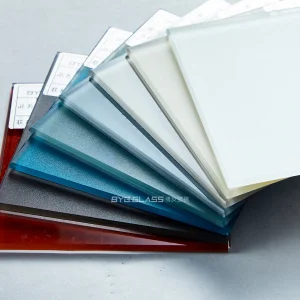
Color Options: Clear, tinted (blue, green, gray), or reflective finishes, providing both aesthetic flexibility and light control.
Applications

Residential Buildings: Used in windows, patio doors, and skylights to reduce energy bills, enhance comfort, and protect furniture from fading.
Commercial and Office Buildings: Ideal for curtain walls, storefronts, and large glass facades, improving energy efficiency and occupant well-being.
Green Buildings: A key component in LEED-certified projects, helping to meet strict energy-saving and sustainability standards.
Automotive Industry: Applied in vehicle windshields and windows to regulate cabin temperature and reduce air conditioning usage.
Cold Storage Facilities: Preserves temperature stability by minimizing heat transfer, reducing strain on refrigeration systems.

Frequently Asked Questions

Q1: How does Low-E glass save energy?
A: Low-E glass reflects heat back to its source, preventing warm air from escaping in winter and blocking solar heat in summer. This reduces reliance on heating and cooling systems, cutting energy consumption by up to 30 - 50%.
Q2: Is Low-E glass more expensive than regular glass?
A: Yes, due to its advanced coating technology and energy-saving benefits. However, the long-term savings on energy bills often offset the initial higher cost within 3 - 5 years.
Q3: Can Low-E glass be used for skylights?
A: Yes, Low-E glass is an excellent choice for skylights. Opt for a low SHGC option to prevent excessive heat gain while allowing natural light to illuminate interiors.
Q4: How do I clean Low-E glass?
A: Use a soft microfiber cloth and mild, non-abrasive glass cleaner. Avoid sharp tools or harsh chemicals, especially on soft-coat Low-E glass, to prevent coating damage.
Q5: Does Low-E glass affect the color of the view?
A: Most Low-E glasses maintain a neutral color perception. However, tinted or reflective variants may slightly alter the hue of the outdoor view, providing additional privacy and solar control.
Q6: Is Low-E glass suitable for all climates?
A: Absolutely. In cold climates, it helps retain indoor heat, while in hot climates, it blocks external solar radiation, making it a versatile solution for global architectural needs.

Related Products