China Insulated Glass Customized Double-glazing Glass Manufacturers, Supplier

Product Overview
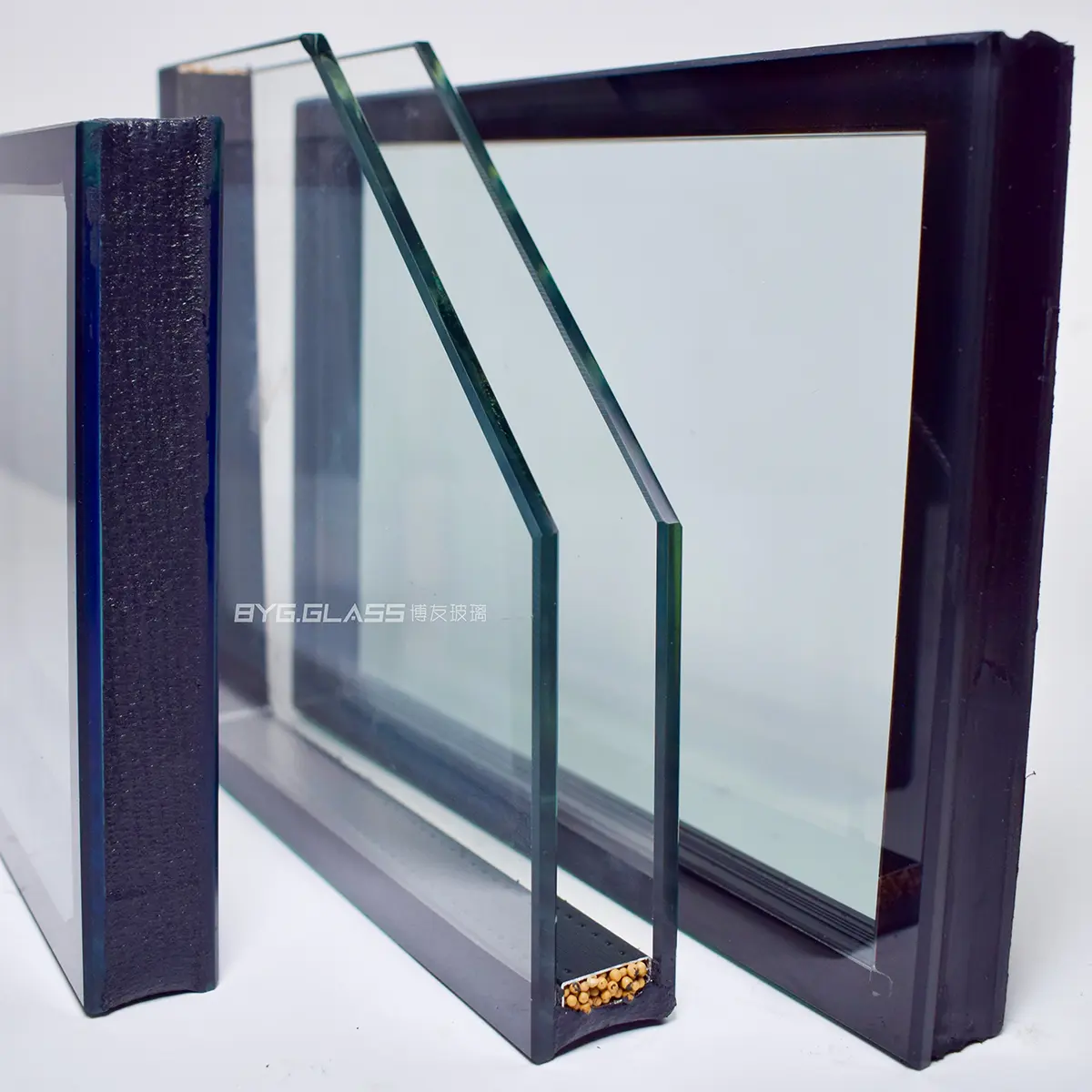
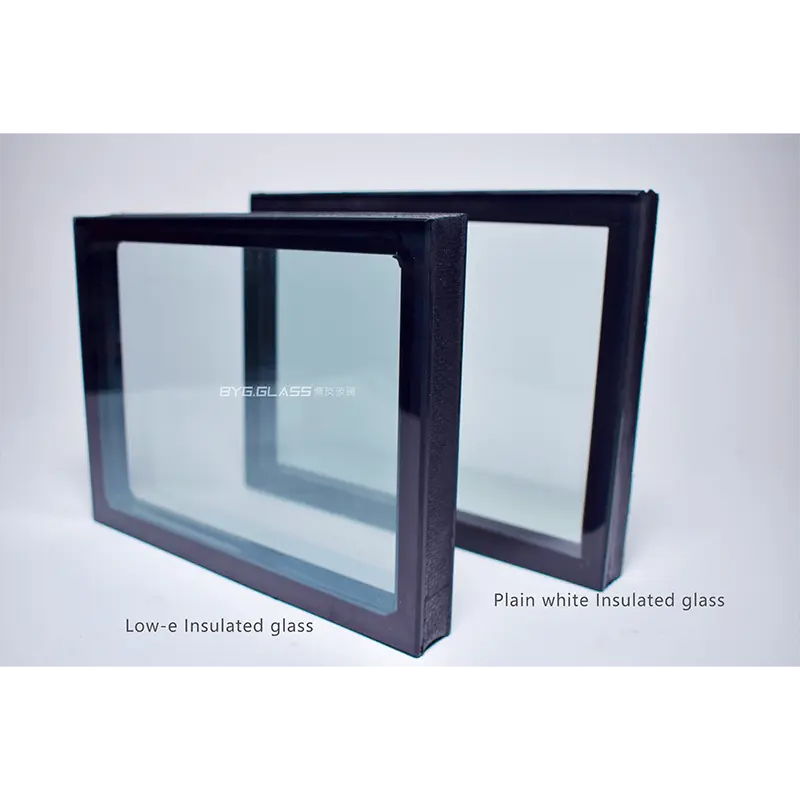
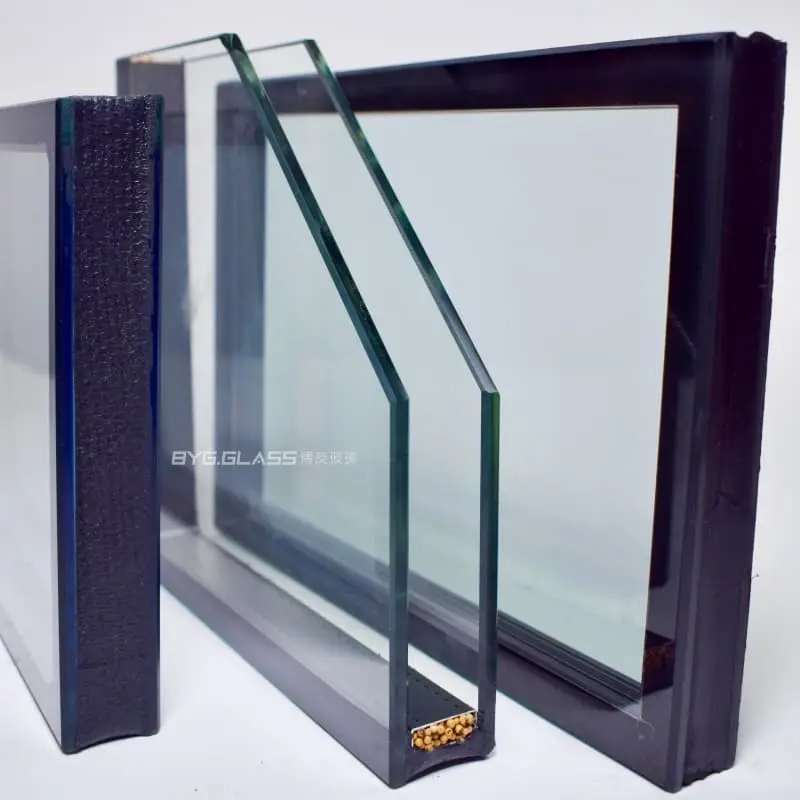
Insulated glass, also known as double - glazing or thermopane glass, consists of two or more glass panels separated by a sealed air or gas - filled space. This design significantly improves thermal insulation, soundproofing, and condensation resistance compared to single glass. By reducing heat transfer and air infiltration, insulated glass helps maintain indoor comfort, cuts energy consumption for heating and cooling, and enhances overall building efficiency.

Product Description

Product Parameters

Pane Configuration Double - Pane: Two glass panes separated by a spacer.
Triple - Pane: Three glass panes for enhanced insulation and noise reduction.
Spacer Material Aluminum Spacers: Lightweight and durable with desiccant.
Super Spacers: Flexible, warm-edge spacers for improved thermal performance.
Gas Filling Options Air: Standard insulation.
Argon/Krypton: Inert gases reducing heat transfer by up to 30%.
Glass Thickness Single Pane: 3 - 6mm.
Total Unit: Double (12-28mm) / Triple (24-40mm).
Insulated glass technical display
U-Value Performance Argon-filled units achieve as low as 1.1 W/(m²·K), significantly better than single-pane 5.8 W/(m²·K).
Size & Transmittance Standard sizes up to 300cm x 600cm. VLT ranges from 10% to 80% based on coating.

Applications

Residential Buildings: Used in windows, patio doors, and skylights to lower energy bills and prevent condensation.
Commercial & Office Buildings: Essential for curtain walls and storefronts to meet energy-efficiency codes.
Institutional Facilities: Schools and hospitals use them for quiet, thermally stable environments.
Cold Storage & Freezers: Minimizes heat transfer to reduce workload on refrigeration systems.
Green Buildings: Key component for LEED-certified projects and sustainable design goals.

Frequently Asked Questions

Q1: How does insulated glass reduce heat transfer?
A: The gas-filled space acts as an insulator, slowing conduction. Low-e coatings further reflect infrared radiation to enhance performance.
Q2: Is insulated glass more expensive than single-pane glass?
A: Yes, due to multi-pane construction. However, energy savings typically offset the initial cost within 3-5 years.
Q3: Can I repair a fogged-up insulated glass unit?
A: Condensation indicates seal failure. Usually, the entire unit needs replacement as repairing the seal is difficult and unreliable.
Q4: How does gas filling affect performance?
A: Argon and krypton are denser than air, reducing heat conduction. Argon is the most common choice for balancing cost and efficiency.
Q5: Is it suitable for hurricane-prone areas?
A: Yes, special impact-resistant units featuring laminated glass are available to withstand high winds and debris.

Related Products