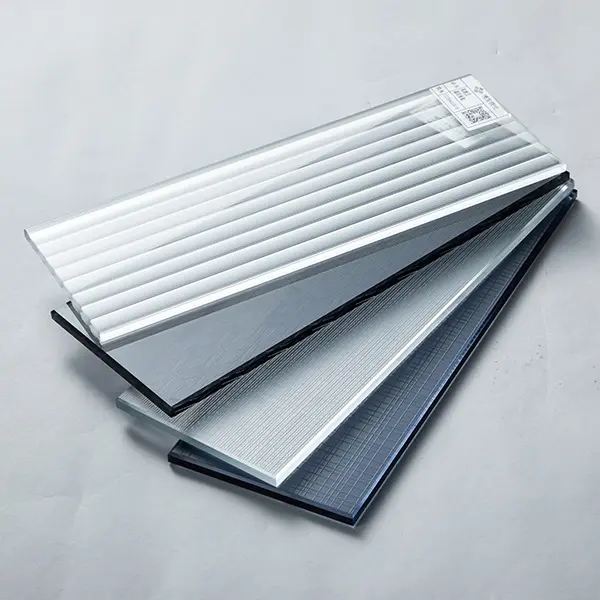
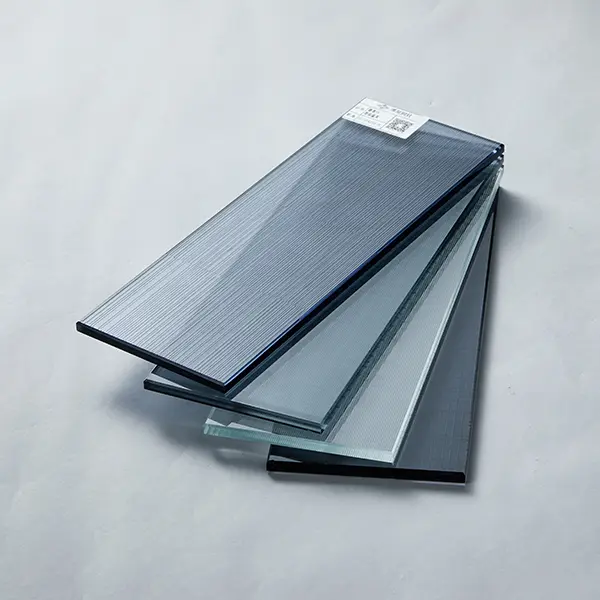
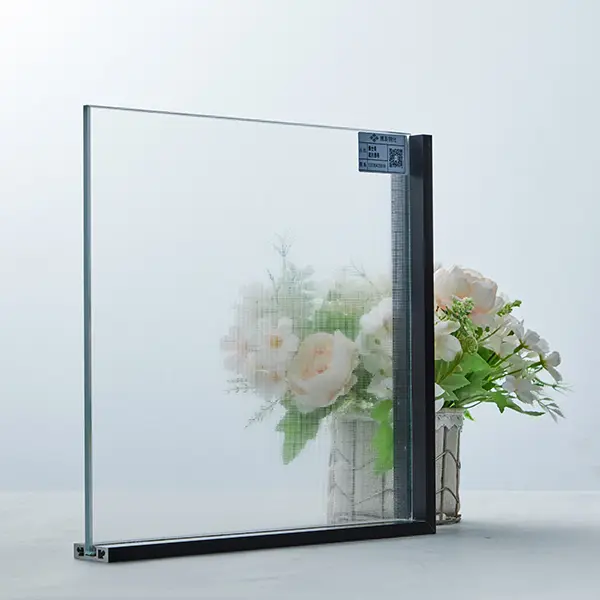
Wholesale Innovative Technology AG Anti-glare Glass Factories, Factory

AG glass, full name of Anti-glare glass, is an innovative product specially designed for the special treatment of glass surfaces. The original intention of its birth is to overcome the problems of ordinary glass easy reflection and high reflection ratio, and then provide excellent visual enjoyment for everyone.
The core principle is to use a unique process to fine process one or two sides of high-quality glass, so that the reflection ratio of AG glass is greatly reduced compared with ordinary glass, and the ambient light interference is successfully reduced, so that the clarity of the picture can achieve a leap. Whether it is to enjoy the display, the screen screen, or the museum art, or taste the excellent work in the high-end picture frame frame, AG glass can ensure that the image is clear and realistic, leading the viewer to immerse.

Product Description

Product Technology Introduction

In the processing technology dimension, it covers spraying AG, coating AG and chemical etching AG three types. AG glass (Anti-Glare glass) effectively builds a coating or modifies the surface to achieve an anti-glare effect, dispersing reflective haze and upgrading visual effects for users across various displays.

Innovative Technology AG anti-glare glass
Method 01

Spraying AG

Relies on a spray gun or dish atomizer to evenly spread optical astigmatism particles on the glass surface. This process is simple, fast, and efficient, but particle fineness is lower and friction resistance is weak.

Method 02

Coating AG

Uses atomization coating technology to attach specific materials. It achieves anti-reflection through clever light absorption and deflection. Commonly used in rearview mirrors and navigation instruments.

Method 03

Chemical Etching AG

Uses a mixed acid preparation (HF hydrofluoric acid) for a chemical reaction. This creates a matte diffuse reflection state that is anti-corrosion, anti-scratch, and has a product life equal to reinforced glass.

Application Scenarios

AG glass can be seen everywhere. In the mobile phone industry, high-end flagship models like the iPhone 11 Pro, OnePlus 7T Pro, and Mi 10 Pro use chemical etching AG for a charming frosted texture that is fingerprint-resistant and anti-slip.

Beyond consumer electronics, museums utilize AG glass as art protective covers to ensure audiences appreciate cultural relics without reflective interference. Advanced picture frames also use it to sublimate the display effect of paintings.

Production Video & Future Outlook

While high costs currently pose a challenge, especially for curved glass, continuous technological advancement and R&D investment are paving the way for AG glass to shine in more fields.
Frequently Asked Questions
What are the primary types of AG glass processing?
There are three main types: Spraying AG, Coating AG, and Chemical Etching AG, each with different levels of durability and visual characteristics.
Why is chemical etching AG preferred for high-end electronics?
Chemical etching AG offers uniform particles, excellent anti-scratch performance, and a touch sensation that doesn't stain easily with fingerprints.
Does AG glass reduce the clarity of the screen?
AG glass is designed to reduce glare and reflection while maintaining high transmittance (up to 90%), effectively upgrading the visual effect in bright environments.
Can AG treatment be applied to curved glass?
Yes, though the treatment on curved glass is currently more complex and comes with a higher production cost.
Where is AG glass used besides smartphones?
It is widely used in car displays, tablets, museum protective covers, and high-end picture frames to prevent light interference.
Is the AG layer easy to peel off?
For spraying AG, the layer may be weaker; however, with chemical etching AG, the effect is part of the glass surface itself and will not peel off.

Related Products