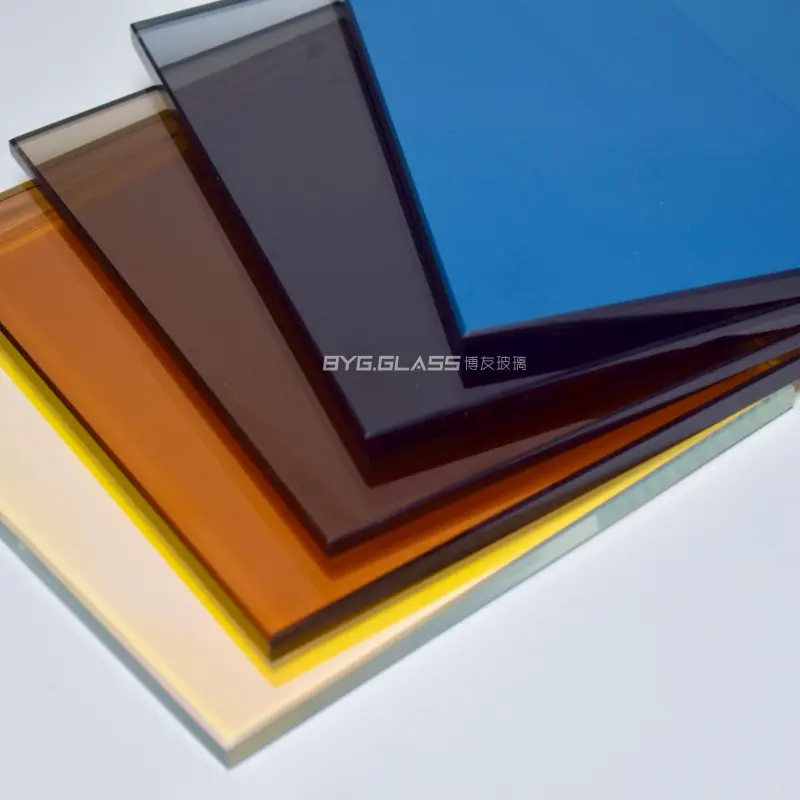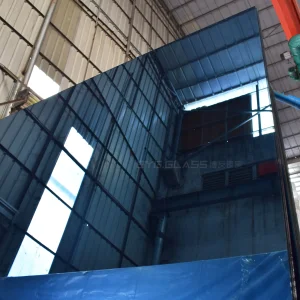
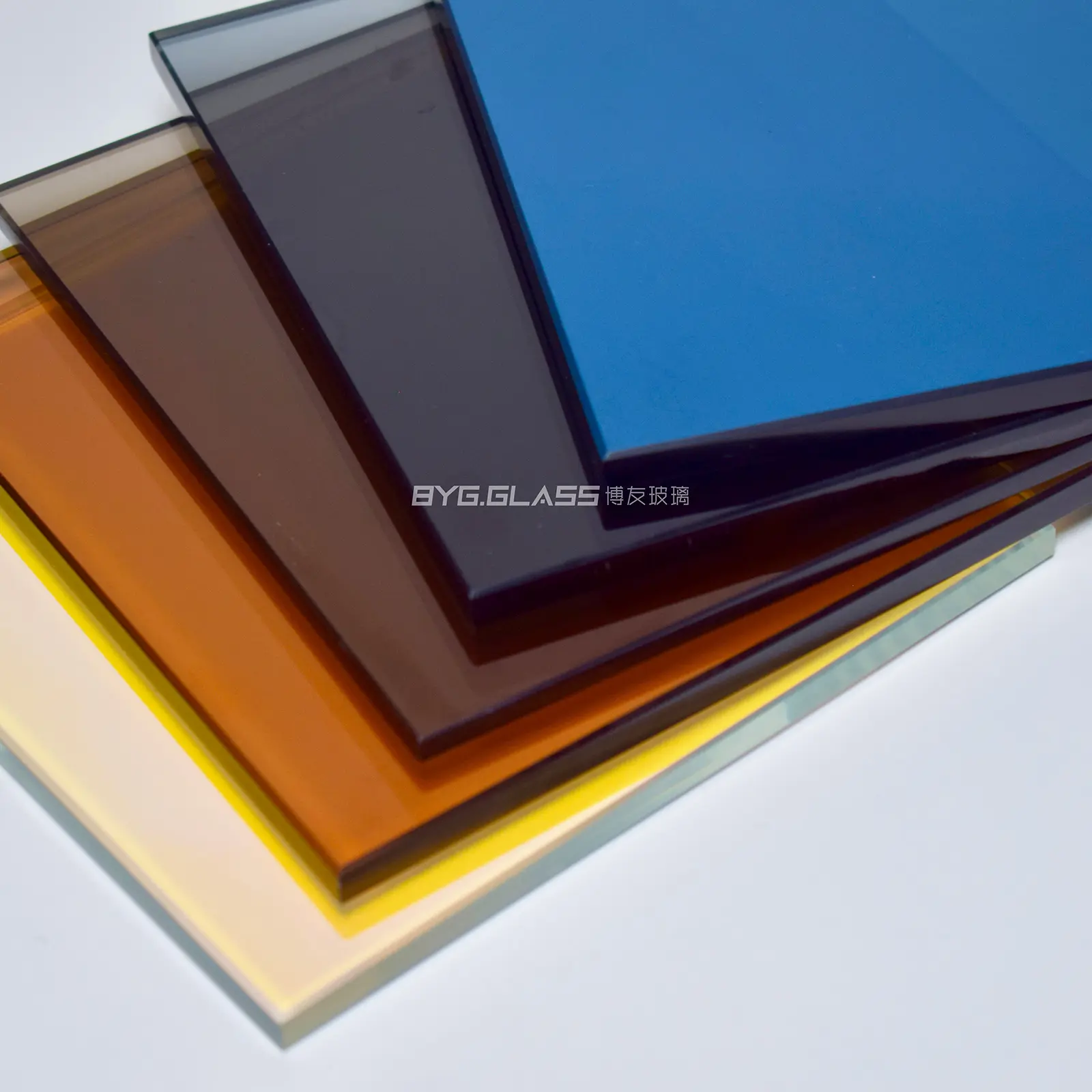
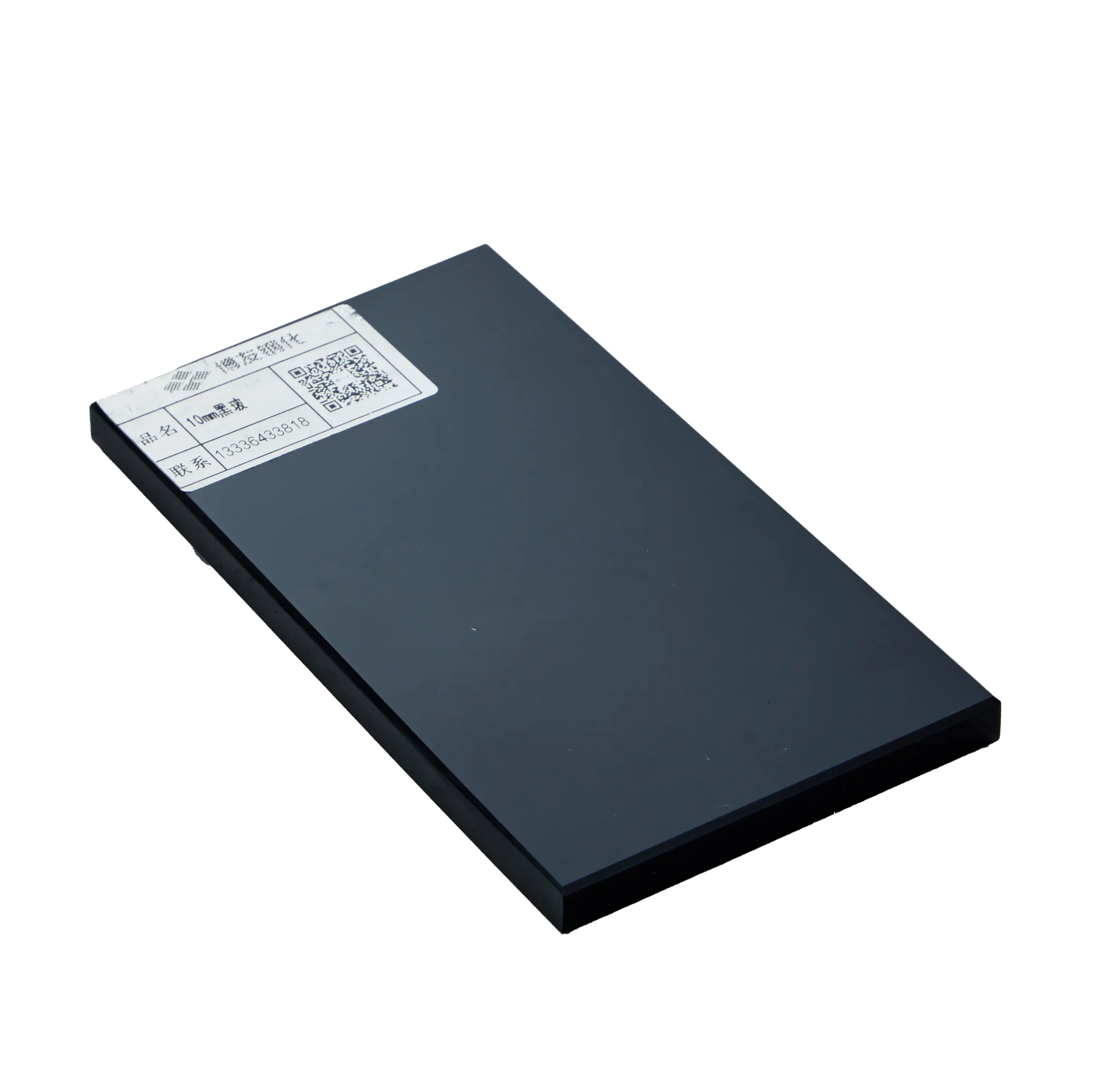
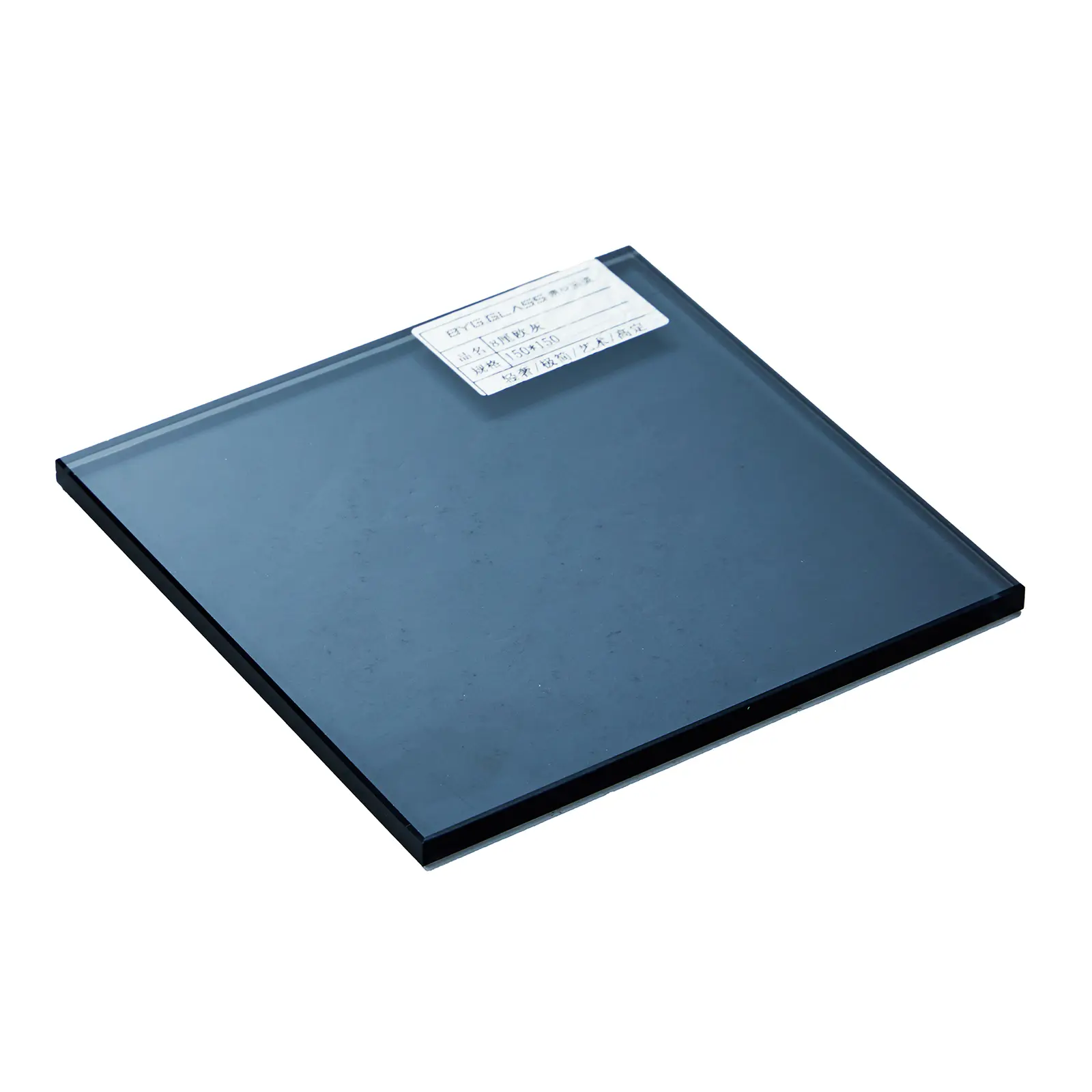
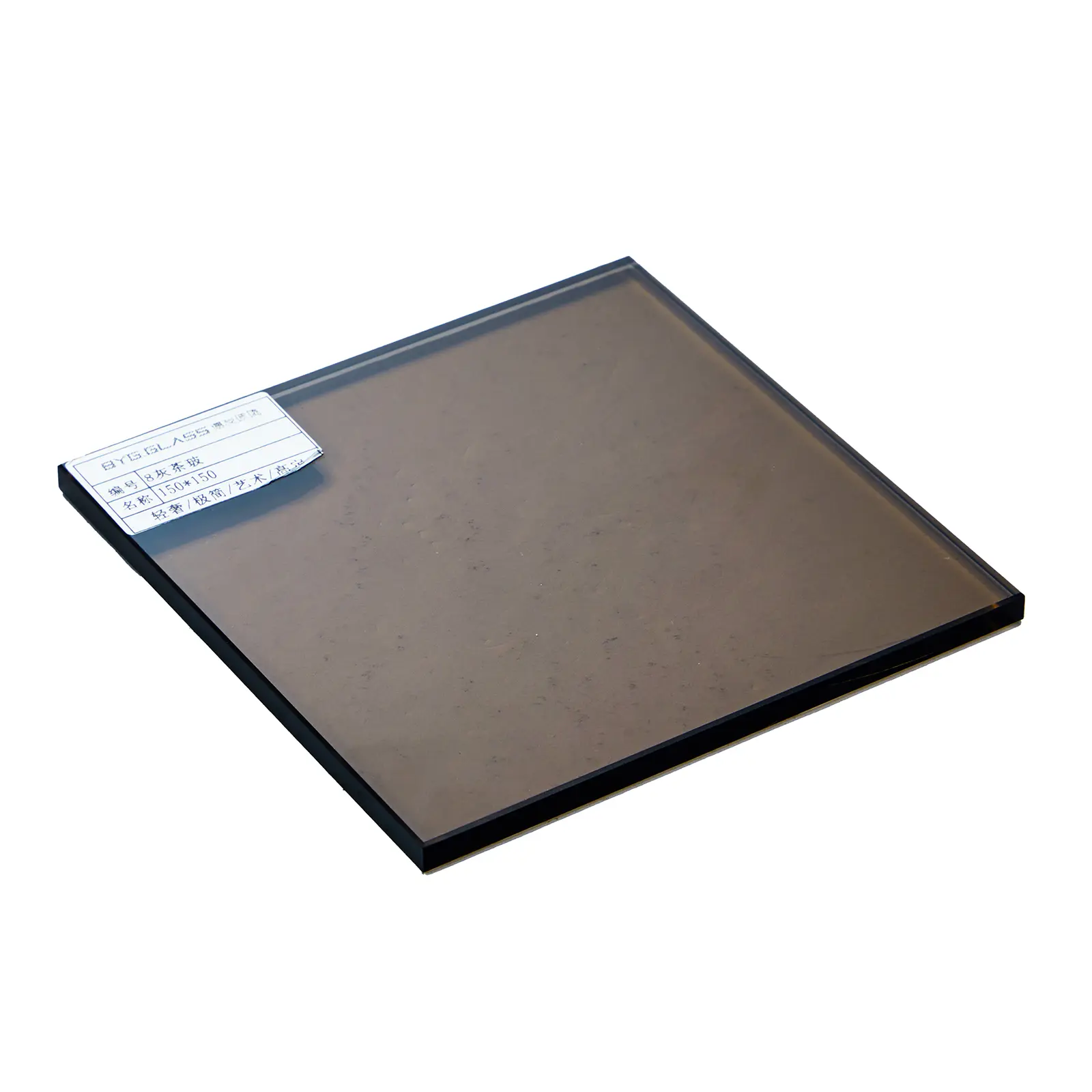
Wholesale Reflective glass for multiple scenarios Manufacturers, Suppliers

parameter (1).png

Product Description

Introduction
Glass Description
Solar Control Coating
  • Visible Light Transmittance: 20%–50% (adjustable)
  • Solar Reflectance: 30%–70% (reduces indoor heat gain)
  • UV Rejection: ≥95% (protects interior furnishings)
AR Glass (Anti-Reflective Coating)
  • Single-Side Reflectance: ≤1.5% (vs. 8%–10% for standard glass)
  • Light Transmittance: Up to 99% (ideal for displays, museum showcases)
Coated Glass Description
Special Functional Options
Self-Cleaning Coating

TiO₂ photocatalytic layer decomposes organic stains for easier maintenance.

🖐️
Anti-Fingerprint (AF)

Oleophobic layer with contact angle ≥110° to resist oil and smudges.

💡
Electrochromic Coating

Adjustable transmittance for smart glass privacy and light control.

🛡️
EMI Shielding Coating

Electromagnetic interference protection for medical or military applications.
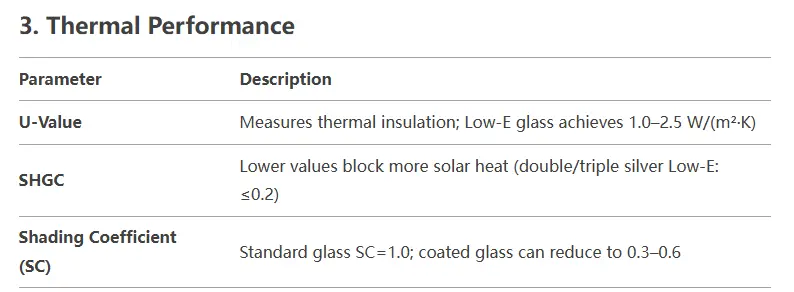
Technical Parameters
Frequently Asked Questions
Q1: Can coated glass be tempered?
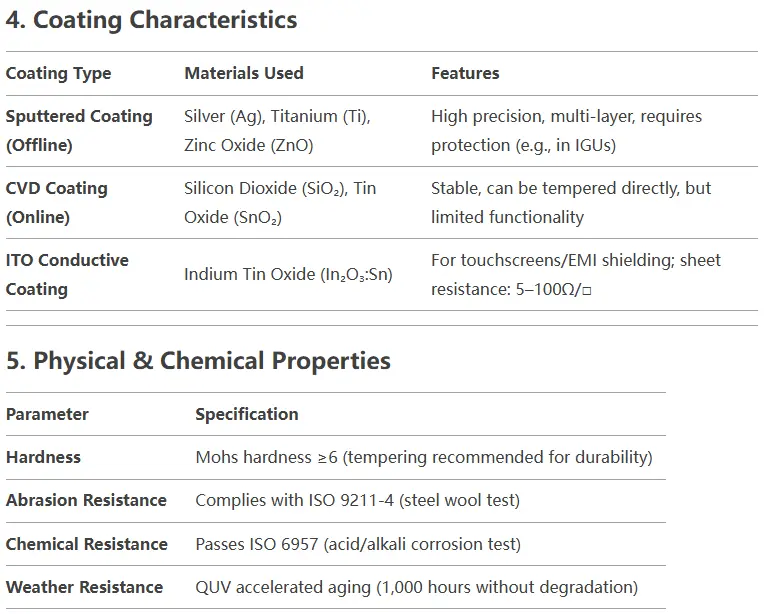
A: Online CVD-coated glass can be tempered directly; offline sputtered coatings require tempering first or must be sealed in Insulated Glass Units (IGUs).
Q2: What is the lifespan of coated glass?
A: Offline coatings typically last 10–15 years (if properly sealed in IGUs); online hard coatings are more durable and can last 20+ years.
Q3: How to clean coated glass?
A: Use a soft cloth and mild detergent. Avoid abrasive cleaners, highly acidic/alkaline solutions, or sharp tools that could scratch the coating.
Q4: Can soft-coat glass be used as a single pane?
A: No, soft-coat (offline) glass is sensitive to oxidation and physical damage. It must be used inside a double-glazed or triple-glazed unit with the coating facing the air space.
Q5: Does coated glass reduce the fading of interior furniture?
A: Yes, high-performance coated glass can block over 95% of UV rays, which are the primary cause of fading in carpets, furniture, and artwork.
Q6: What is the main difference between Hard Coat and Soft Coat?
A: Hard coat (online) is applied during the float glass process, making it extremely durable. Soft coat (offline) is applied via vacuum sputtering, offering superior thermal insulation and lower emissivity.

Related Products