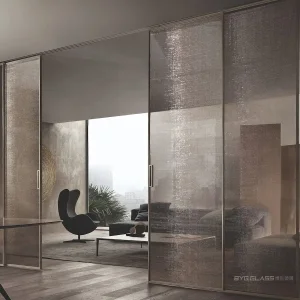
China Smart Tinting Glass Custom Patterned Glass Facade  Factories, Factory

Product Overview
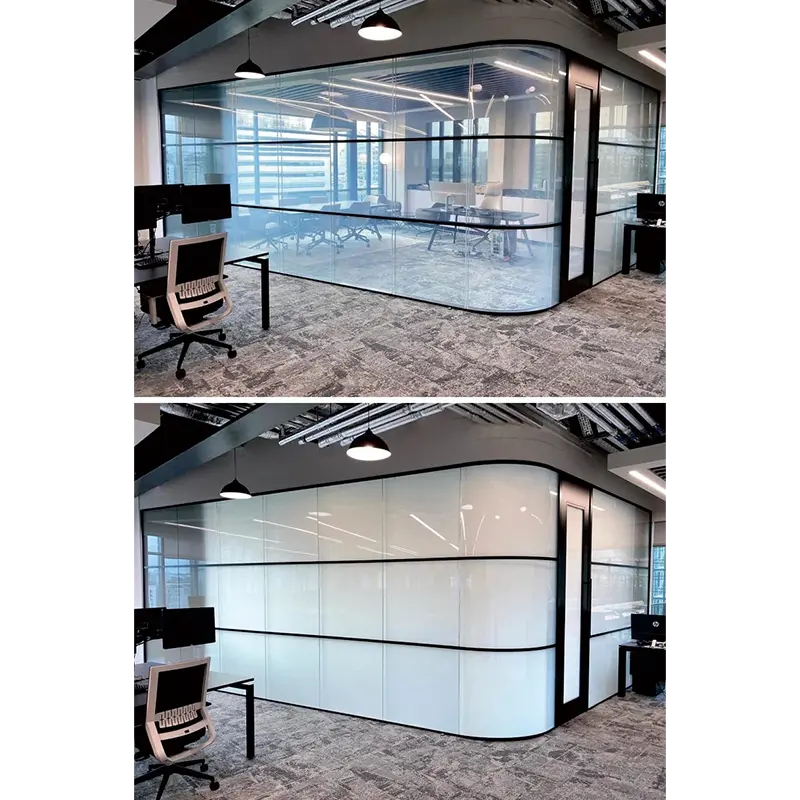
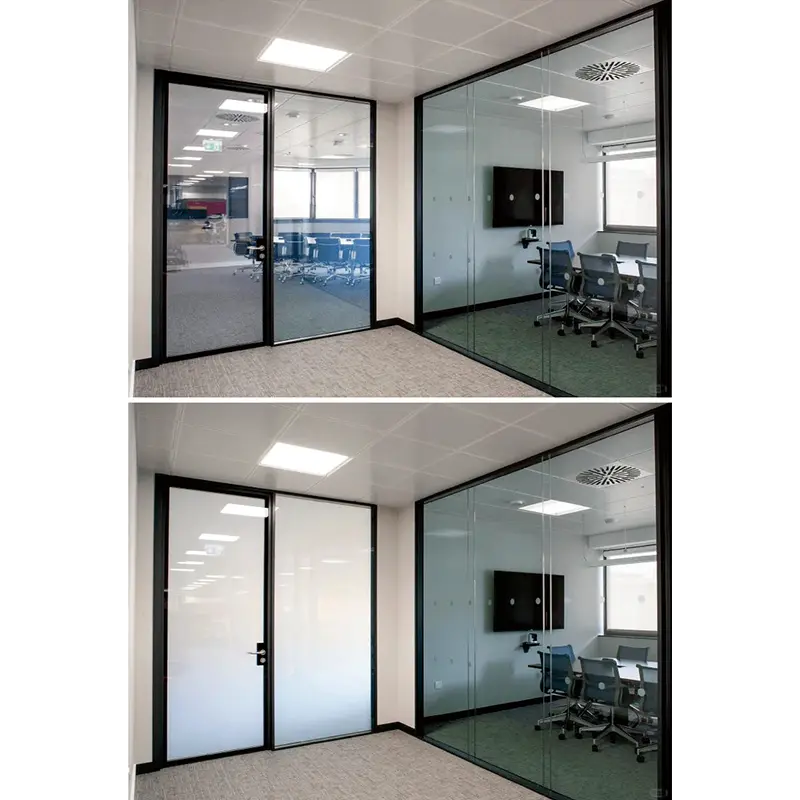
Smart tinting glass, also known as switchable glass or electrochromic glass, is an innovative glazing material that can change its transparency between opaque and transparent states. It typically utilizes liquid crystal (PDLC), electrochromic, or suspended particle technologies. When powered, the glass becomes clear, allowing unobstructed views and light transmission; when deactivated, it turns opaque, providing privacy and reducing glare. This dynamic control over light and visibility makes it a revolutionary solution for modern architecture and interior design.
Product Description

Product Parameters
PDLC (Polymer - Dispersed Liquid Crystal) Offers instant switching (within milliseconds), high contrast between clear and opaque states, but slightly higher power consumption.
Electrochromic Gradually changes tint levels with low power usage, suitable for applications requiring precise light control.
Suspended Particle Fast - switching and provides a darker opaque state, ideal for privacy - intensive areas.
Transparency Range: Clear state up to 80% VLT; opaque state 1 - 5% VLT.
Response Time: PDLC < 10ms; Electrochromic 1 - 5 minutes.
Power Consumption: PDLC 3 - 5 W/m²; Electrochromic 0.1 - 0.5 W/m².
Thickness: Single-layer (3-6mm) or double-layer (10-20mm).
Size Range: Standard up to 240cm x 360cm; custom sizing available.
Operating Voltage: PDLC 12V - 24V DC; Electrochromic 3 - 5V DC.
Applications
Commercial Buildings Used in office partitions, conference rooms, and hotel bathrooms to create private spaces on - demand, while maintaining an open and bright atmosphere when clear.
Residential Interiors Ideal for bedroom windows, shower enclosures, and interior room dividers, offering privacy without sacrificing natural light.
Automotive Industry Applied in car sunroofs and windows to adjust tinting based on sunlight intensity, reducing glare and cooling needs.
Healthcare Facilities Used in patient rooms, operating theaters, and consultation areas to control privacy and light levels, enhancing patient comfort and doctor - patient confidentiality.
Exhibitions and Retail Creates eye - catching displays by switching between transparent and opaque states, attracting customers and showcasing products dynamically.
Frequently Asked Questions
How does PDLC smart tinting glass work?
PDLC glass contains tiny liquid crystal droplets dispersed in a polymer matrix. When no electricity is applied, the crystals are randomly oriented, scattering light and making the glass opaque. When an electric current is passed through, the crystals align, allowing light to pass through, making the glass clear.
Is smart tinting glass energy - efficient?
Yes, especially electrochromic variants, which consume minimal power during standby and only use energy when changing tint levels. PDLC glass offers instant switching and can reduce the need for additional lighting and shading devices.
Can smart tinting glass be used outdoors?
Yes, but it requires proper weatherproofing and UV protection. Specialized outdoor - rated versions are available, designed to withstand extreme temperatures, moisture, and sunlight exposure.
How long does smart tinting glass last?
With proper installation and maintenance, the lifespan of smart tinting glass can exceed 10 - 15 years. The electronic components may need occasional replacement, but the glass itself remains durable.
Can I control the tint level of electrochromic glass?
Yes, electrochromic glass allows for precise control over its tint level, enabling users to adjust the amount of light and heat entering a space, from fully clear to partially or fully opaque.
What is the switching speed between clear and opaque?
PDLC technology offers nearly instantaneous switching in less than 10 milliseconds. In contrast, electrochromic technology transitions more gradually, taking between 1 to 5 minutes for a full state change.

Related Products