China Tempered Clear Glass Clear Float Glass Manufacturer, Factories

Product Parameters of Clear Float Glass (without table format)

Thickness Range: 2mm–25mm (common specifications include 3mm, 4mm, 5mm, 6mm, 8mm, 10mm, 12mm, etc.).

Standard Size: Typically 2440mm × 3660mm, but custom sizes are available upon request.

Light Transmittance: ≥89% (for 3mm thickness, visible light transmission).

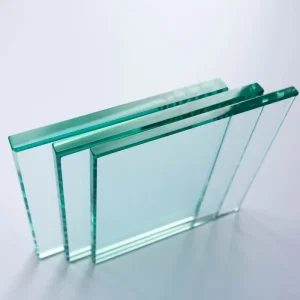
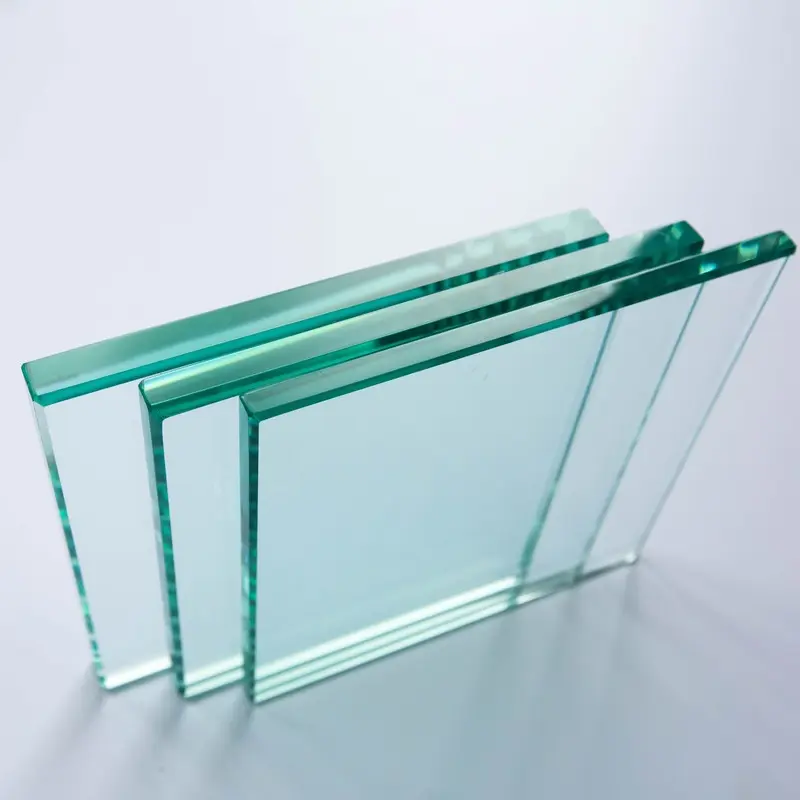
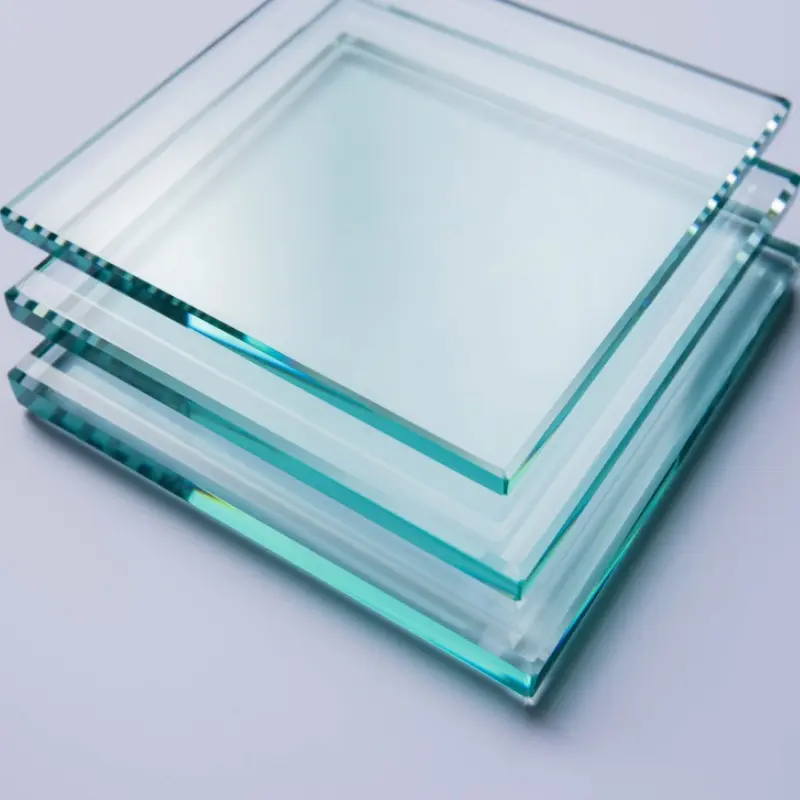
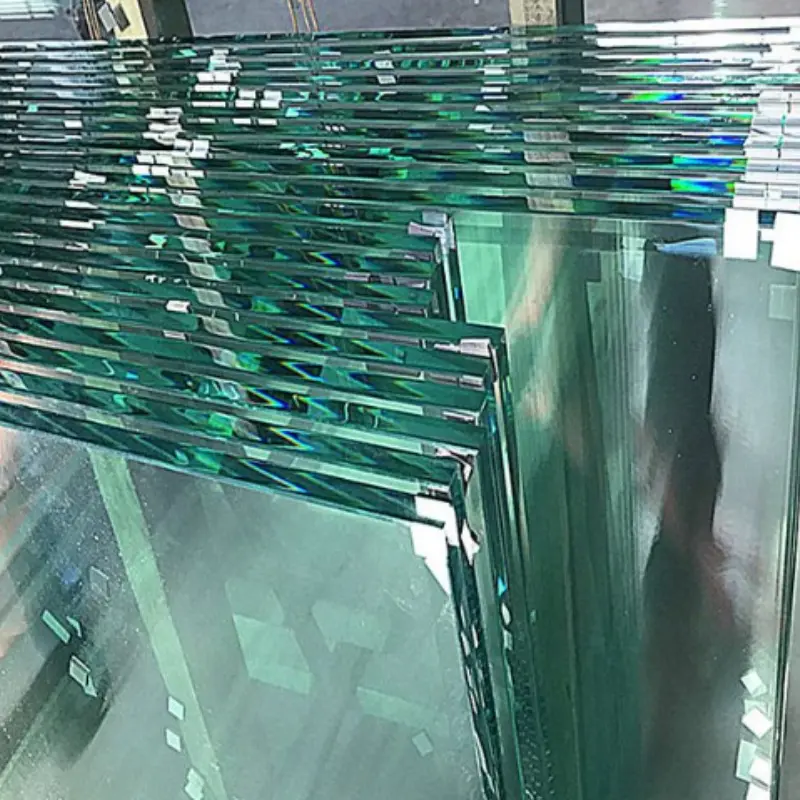
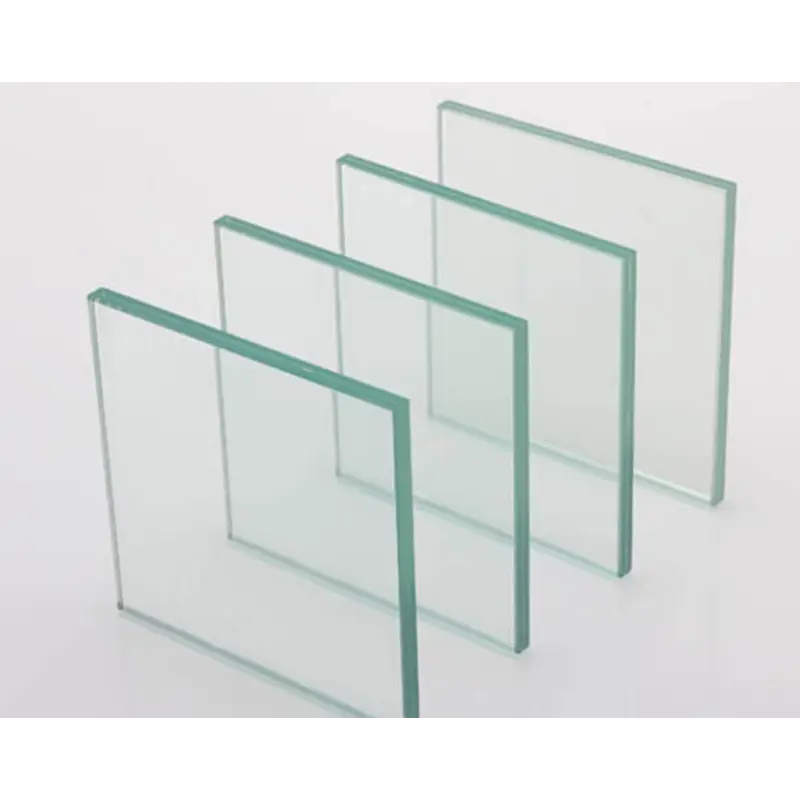
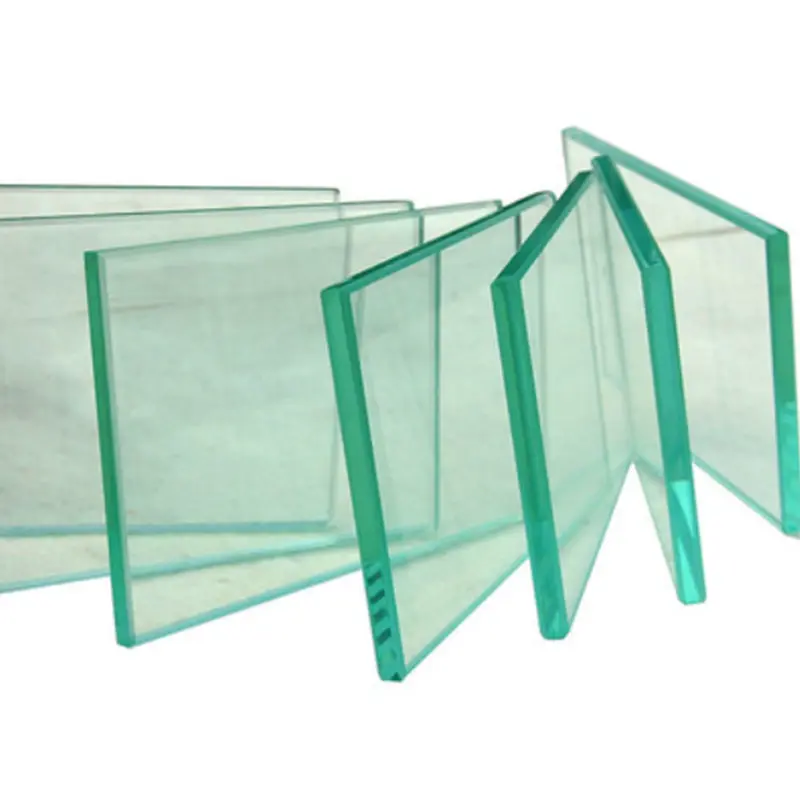
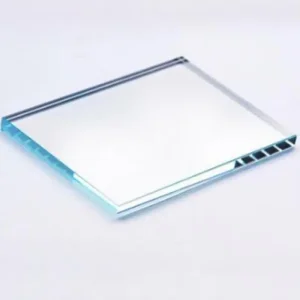
Color: Colorless and transparent, with a slight green tint (more noticeable at the edges due to higher iron content).

Density: Approximately 2.5 g/cm³.

Refractive Index: About 1.52.

Softening Temperature: Around 720°C.

Thermal Expansion Coefficient: 8.5–9.5 × 10⁻⁶/°C (20°C–300°C).

Mechanical Strength: Bending strength ~40–50 MPa, compressive strength ~800–1000 MPa.

Chemical Composition: Primarily SiO₂ (~72%), with Na₂O, CaO, MgO, and trace Fe₂O₃ (causing the green tint).

Surface Quality: Smooth and flat, free of significant waves, bubbles, or impurities (compliant with GB 11614-2009 standard).

Applications: Windows, doors, curtain walls, furniture, decorations, and other basic architectural uses.

Product Description

Product Specifications
Basic Characteristics

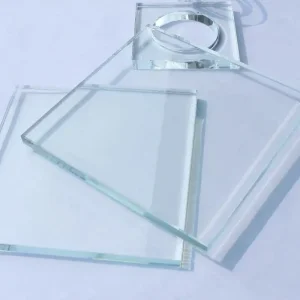
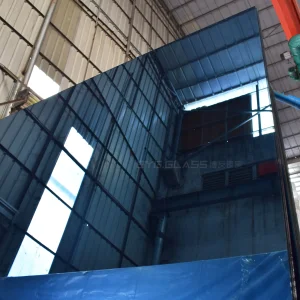
Clear float glass is made from soda-lime silicate composition using the float process (tin bath forming). It features a colorless and transparent appearance, with a slight green tint visible at the edges due to iron ions in raw materials.

Dimensional Specs

Thickness: 2mm to 25mm (Common: 3mm, 5mm, 6mm, 8mm, 10mm).
Standard Size: 2440 × 3660mm.
Maximum Size: 3300 × 6000mm.
Material Density: 2.5g/cm³.

Technical Performance
Optical Properties
  • Visible light transmittance: ≥89% (at 3mm)
  • Direct solar transmittance: ≥88%
  • Color difference: ΔE≤2
Mechanical Strength
  • Flexural strength: ≥40MPa
  • Compressive strength: 800-1000MPa
  • Elastic modulus: 72GPa
Chemical Composition
SiO₂71-73%
Na₂O12-14%
CaO8-10%
MgO3-4%
Fe₂O₃≤0.1%
Thermal Properties

Softening point: 720±10°C
Coefficient of thermal expansion: 9.0×10⁻⁶/°C (20-300°C)
Thermal conductivity: 0.76W/(m·K)

Quality Standards & Processing

Our glass complies with Chinese National Standard GB 11614-2009. It is fully compatible with secondary processing including tempering, laminating, insulating, coating, and screen printing.
Main Applications
Architectural windows & curtain walls
Furniture tabletops & partitions
Appliance panels (oven doors)
Base material for lenses
Frequently Asked Questions
1. What is clear float glass?
Clear float glass is a standard transparent glass produced by floating molten glass on a bed of molten tin, resulting in a smooth, distortion-free surface. It is the foundation for most architectural and decorative glass products.
2. What are the standard thicknesses available?
Typical thicknesses range from 2mm to 25mm. The most common commercial options are 3mm, 4mm, 5mm, 6mm, 8mm, 10mm, and 12mm.
3. Why does clear float glass sometimes appear slightly green?
The subtle green tint is caused by iron oxide (Fe₂O₃) content in the raw materials. This tint is more visible when looking at the edges of the glass or in thicker sheets.
4. What is the light transmittance level?
For a standard 3mm thickness, the visible light transmittance is ≥89%, providing excellent clarity and allowing natural light to fill interior spaces.
5. Can this glass be strengthened for safety?
Yes. Clear float glass can be tempered (heat-treated) for increased strength or laminated with PVB interlayers for enhanced security and sound insulation.
6. What are the temperature resistance limits?
The softening point is approximately 720°C. However, it is important to avoid sudden temperature changes to prevent thermal stress cracking in non-tempered glass.

Related Products